Carrot Ginger Soup: An Amazing Ultimate Recipe
 Save
Save
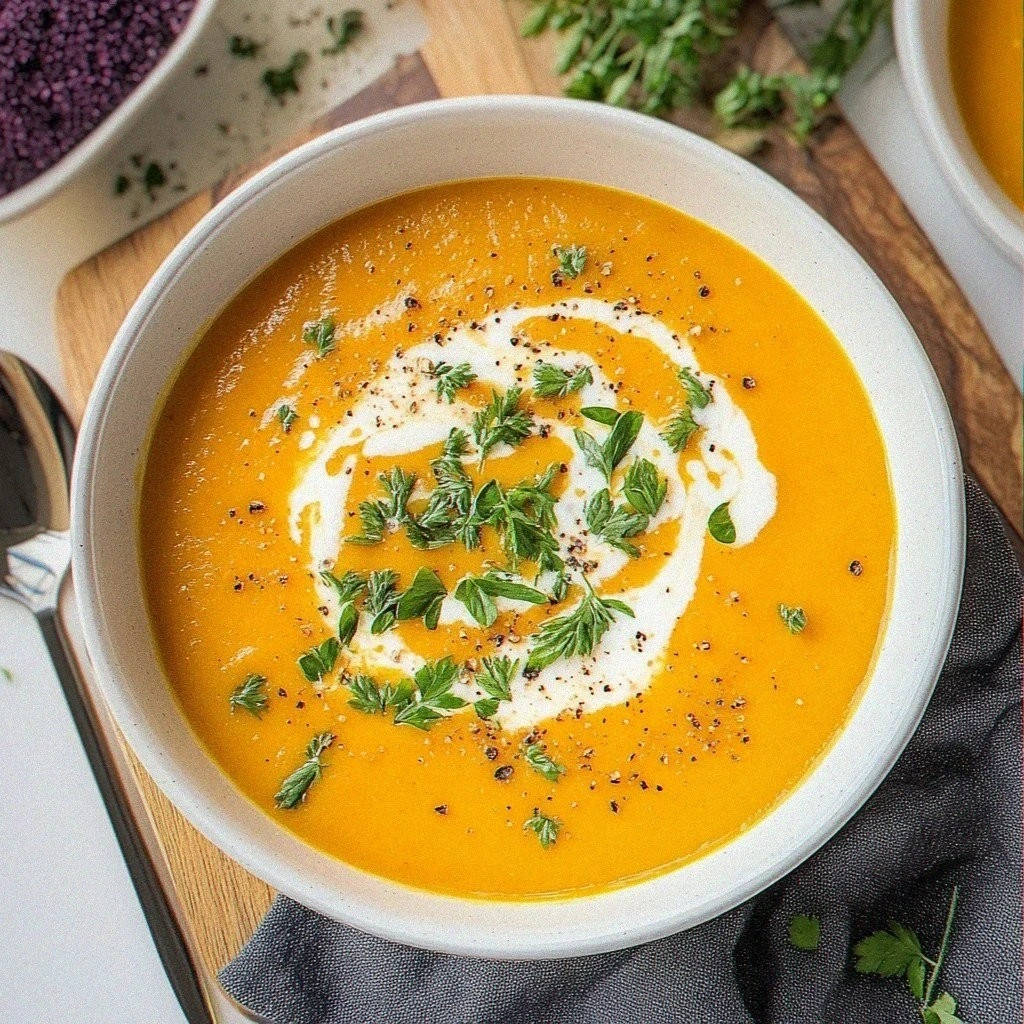
It was a crisp autumn afternoon when I first discovered the magic of carrot ginger soup. I was standing in my tiny kitchen, the windows fogged from the steam of a simmering pot, and the scent of fresh carrots and zingy ginger swirled together like an old‑world perfume that instantly wrapped me in warmth. I remember the moment I lifted the lid and a cloud of fragrant steam hit my face, carrying hints of earthy sweetness, a subtle peppery bite, and a whisper of citrus that seemed to say, “You’re home.” That first spoonful was a revelation: silky, bright, and comforting all at once, a perfect reminder that the simplest ingredients can create the most unforgettable meals. Have you ever wondered why a bowl of soup can feel like a hug from the inside? That’s exactly what this recipe delivers, and it does so with a level of flavor depth that rivals many restaurant versions, yet it’s entirely doable in a home kitchen.
What makes this carrot ginger soup truly amazing is the balance of sweet carrots, spicy ginger, and a creamy finish that feels luxurious without drowning the palate in heaviness. I’ve spent years tweaking the ratio of broth to coconut milk, the timing of when to add the ginger, and the final seasoning touch, and each adjustment has taught me a new layer of nuance. Imagine serving a bowl that glistens with a golden hue, the aroma of sautéed onions and garlic dancing with the bright zing of fresh ginger, and a velvety texture that coats your tongue like a silk scarf. The secret? A handful of small, but powerful, tricks that I’ll spill throughout this guide, and one of them is a little-known technique that transforms the soup from good to unforgettable—stay tuned for that in step four.
Beyond the taste, this soup is a celebration of seasonal produce that can be enjoyed year‑round, making it a versatile staple for any meal plan. Whether you’re looking for a light starter before a dinner party, a comforting lunch on a rainy day, or a nutritious boost after a workout, this bowl fits the bill. It’s also a fantastic way to sneak extra vegetables into your diet without anyone even noticing because the flavors are so harmonious that the veggies feel like a secret indulgence. And because the recipe scales beautifully, you can double it for a crowd or halve it for a cozy solo dinner without losing any of that silky texture or bright flavor.
So, are you ready to dive into a soup that will have your family asking for seconds and your friends begging for the recipe? Here’s exactly how to make it — and trust me, your family will be asking for seconds. Grab your cutting board, heat a splash of oil, and let’s embark on a culinary adventure that will fill your home with aroma, color, and pure comfort.
🌟 Why This Recipe Works
- Flavor Depth: The combination of caramelized carrots and fresh ginger creates a layered taste profile that evolves with each spoonful, moving from sweet to spicy to subtly nutty as the coconut milk finishes the mouthfeel.
- Silky Texture: By pureeing the soup after the vegetables are perfectly softened, you achieve a velvety consistency that feels luxurious without the need for heavy cream, keeping the dish light yet satisfying.
- Ease of Preparation: The steps are straightforward, requiring only a few basic kitchen tools, and the cooking time is under an hour, making it ideal for busy weeknights or relaxed weekend cooking sessions.
- Versatility: This base soup can be easily customized with additional vegetables, proteins, or spices, allowing you to adapt it to seasonal produce or dietary preferences without compromising the core flavor.
- Nutrition Boost: Carrots are packed with beta‑carotene, vitamin A, and fiber, while ginger offers anti‑inflammatory benefits; the addition of a splash of coconut milk adds healthy fats that help absorb the fat‑soluble nutrients.
- Crowd‑Pleasing Factor: The bright orange color and aromatic steam make it visually appealing, and the balanced seasoning ensures that both kids and adults will love it, turning a simple soup into a star attraction at any table.
🥗 Ingredients Breakdown
The Foundation: Carrots & Liquid Base
Carrots are the heart of this soup, providing natural sweetness, a vibrant orange hue, and a generous dose of beta‑carotene that supports eye health. Choose carrots that are firm, bright, and free of cracks; organic varieties often have a richer flavor because they’re grown in nutrient‑rich soil. When you chop them into uniform pieces, they cook evenly, ensuring a consistent texture throughout the puree. If you can’t find fresh carrots, frozen baby carrots work well, but fresh will always give you that crisp, clean flavor. The liquid base combines vegetable broth—preferably low‑sodium for better control over seasoning—and a splash of coconut milk, which adds a subtle creaminess without overpowering the delicate carrot taste.
Aromatics & Spices: Onion, Garlic, & Ginger
Onion and garlic form the aromatic foundation, releasing sweet and savory notes as they soften in the oil; I always start with a medium yellow onion, diced finely so it melts into the broth. Garlic, minced just before adding, brings a pungent warmth that balances the carrot’s sweetness. Fresh ginger is the star here—its bright, peppery zing cuts through the sweetness and adds a warming sensation that’s perfect for cooler evenings. When selecting ginger, look for firm, smooth roots with a fine skin; a little bit of the skin can stay on if it’s clean, as it contains extra flavor. If you’re short on fresh ginger, a high‑quality ground ginger works, but use only half the amount to avoid bitterness.
The Secret Weapons: Coconut Milk & Spices
Coconut milk is the secret weapon that transforms this soup from a simple puree into a luxurious, silky bowl. I prefer the “full‑fat” version because it creates a richer mouthfeel and helps carry the spices. A pinch of ground cumin adds an earthy undertone that complements the carrots, while a dash of smoked paprika introduces a gentle smoky depth that surprises the palate. For those who love a little heat, a pinch of cayenne can be added at the end; just remember a little goes a long way. Finally, a splash of freshly squeezed lemon juice brightens the entire dish, lifting the flavors and adding a crisp finish.
Finishing Touches: Herbs, Salt, & Pepper
Fresh herbs like cilantro or parsley add a burst of color and freshness right before serving; I love a sprinkle of chopped cilantro because its citrusy notes echo the lemon juice and enhance the overall brightness. Seasoning is crucial: a generous pinch of sea salt brings out the natural sweetness of the carrots, while freshly cracked black pepper adds a subtle heat that lingers on the tongue. Taste as you go—always remember that the flavors will mellow slightly as the soup rests, so you may want to finish with a little extra salt or lemon after the final blend. For an optional garnish, a drizzle of extra‑virgin olive oil or a swirl of toasted pumpkin seeds adds texture and visual appeal.
With your ingredients prepped and ready, let's get cooking. Here's where the fun really begins...
🍳 Step-by-Step Instructions
🔐 Expert Tips for Perfect Results
The Taste Test Trick
Never skip the final taste test; after the soup is blended, let it sit for a minute, then taste a spoonful. This pause allows the flavors to meld, and you’ll often discover that a tiny pinch of salt or an extra splash of lemon can bring the entire bowl to life. I once served this soup to a friend who claimed it was perfect, only to realize I’d forgotten the lemon—adding it at the table made the difference between good and spectacular.
Why Resting Time Matters More Than You Think
If you have the luxury of time, let the soup rest for 15 minutes after blending and before reheating. The resting period lets the starches in the carrots fully hydrate, resulting in an even smoother texture and a more cohesive flavor profile. I’ve noticed that soups that sit overnight actually taste better the next day, as the spices have more time to infuse the broth.
The Seasoning Secret Pros Won’t Tell You
Professional chefs often finish soups with a dash of finishing salt—like flaky sea salt or Maldon—just before plating. The larger crystals provide a delicate crunch and a burst of briny flavor that contrasts beautifully with the creamy base. Try sprinkling a pinch on each bowl right before serving; the subtle texture surprise will have your guests reaching for seconds.
Balancing Sweet and Spice
If the soup leans too sweet for your palate, counterbalance it with an extra pinch of black pepper or a dash of cayenne. Conversely, if the ginger’s heat feels overwhelming, a teaspoon of honey or a swirl of maple syrup can mellow the spice without making the soup sugary. I once added a drizzle of honey when my ginger was particularly pungent, and the result was a perfectly balanced harmony of sweet and spicy.
The Power of Fresh Herbs
Fresh herbs should be added at the very end of cooking, not earlier, to preserve their bright flavor and vivid color. I always keep a small bowl of chopped cilantro or parsley ready, sprinkling it over each serving just before the final garnish. The fresh herb not only adds a pop of green but also introduces a subtle citrus note that lifts the entire dish.
🌈 Delicious Variations to Try
One of my favorite things about this recipe is how versatile it is. Here are some twists I've tried and loved:
Spicy Thai Coconut Twist
Add a tablespoon of Thai red curry paste along with the coconut milk and finish with a handful of fresh Thai basil. The curry paste introduces lemongrass and kaffir lime notes, turning the soup into a fragrant, exotic starter that pairs perfectly with jasmine rice.
Roasted Red Pepper & Carrot Fusion
Swap half of the carrots for roasted red bell peppers, which adds a smoky sweetness and a deeper red hue. The peppers bring a subtle earthiness that complements the ginger, creating a richer, more complex flavor profile.
Curried Lentil Power Bowl
Stir in a cup of cooked red lentils after pureeing, and season with a pinch of garam masala. The lentils add protein and a hearty texture, making the soup a satisfying main course rather than just a starter.
Apple‑Ginger Autumn Variation
Add one diced apple (preferably a sweet variety like Fuji) when you sauté the carrots; the apple’s natural sugars enhance the carrot’s sweetness while the ginger ties the flavors together. This version is perfect for chilly evenings, evoking the comforting aromas of a fall orchard.
Zesty Lime & Avocado Cream
Stir in the juice of one lime and a quarter‑cup of mashed avocado just before serving. The lime brightens the soup, while the avocado adds a buttery richness that rivals the coconut milk, creating a velvety, tropical twist.
📦 Storage & Reheating Tips
Refrigerator Storage
Allow the soup to cool to room temperature before transferring it to an airtight container. It will keep safely in the refrigerator for up to four days, and the flavors will continue to develop, becoming even more harmonious. When you’re ready to enjoy it, reheat gently over low heat, stirring frequently to prevent a skin from forming on the surface.
Freezing Instructions
Portion the soup into freezer‑safe bags or containers, leaving a little headspace for expansion. It freezes beautifully for up to three months. To thaw, move the container to the refrigerator overnight, then reheat on the stovetop, adding a splash of vegetable broth or coconut milk if the texture seems too thick after thawing.
Reheating Methods
The trick to reheating without drying it out? A splash of water, broth, or extra coconut milk added gradually as the soup warms, stirring constantly. If you’re using a microwave, heat in 30‑second intervals, stirring in between, to ensure even temperature distribution. For a silky finish, give it a quick blend with an immersion blender after reheating.
❓ Frequently Asked Questions
Can I use fresh ginger instead of ground ginger?
Is it possible to make this soup dairy‑free?
How can I make the soup thicker without adding flour?
Can I add protein to make this a complete meal?
What if I don’t have coconut milk?
Is this soup suitable for a low‑sodium diet?
Can I make this soup in a slow cooker?
How long can I keep the soup after it’s been reheated?
Return the pot to low heat and add the final finishing touches: a squeeze of fresh lemon juice (about 1 tablespoon) and a handful of chopped fresh cilantro or parsley. Stir gently, allowing the herbs to wilt just enough to release their bright, herbaceous aroma without losing their fresh color. Let the soup warm for another 2 minutes, then remove from heat and ladle into bowls.
Garnish each bowl with a drizzle of extra‑virgin olive oil, a sprinkle of toasted pumpkin seeds, and an optional pinch of smoked paprika for a pop of color. Serve immediately, letting the steam rise and fill the room with that intoxicating blend of sweet, spicy, and creamy notes. Go ahead, take a taste — you’ll know exactly when it’s right.
Similar Recipes
 Dinner
Beef and Rotini in Garlic Parmesan Sauce: A Comforting Delight
Delicious Beef and Rotini in Garlic Parmesan Sauce: A Comforting Delight
 Dinner
Hatch Chili Chicken Pizza Wraps
Delicious Hatch Chili Chicken Pizza Wraps
 Dinner
batch cooking friendly slow cooker chicken and winter vegetable soup
Learn how to make delicious batch cooking friendly slow cooker chicken and winter vegetable soup. Easy…
 Dinner
Hearty Savory Lentil Tacos
Delicious Hearty Savory Lentil Tacos
 Dinner
creamy garlic spinach and sweet potato bake for cozy winter dinners
Learn how to make delicious creamy garlic spinach and sweet potato bake for cozy winter dinners.…
 Dinner
Loaded Chicken Sweet Potato Cups: Step-by-Step Instructions and Serving Suggestions
Delicious Loaded Chicken Sweet Potato Cups: Step-by-Step Instructions and Serving Suggestions
 Dinner
Back to School Chili Cheese Tacos: A Flavorful and Fun Meal
Delicious Back to School Chili Cheese Tacos: A Flavorful and Fun Meal
 Dinner
comforting slow cooker beef stew with root vegetables and rosemary
Set-and-forget slow cooker beef stew loaded with tender beef, root vegetables and fragrant rosemary. Easy, cozy…

Susan
I cook these recipes at home before they ever land here — simple ingredients, clear steps.