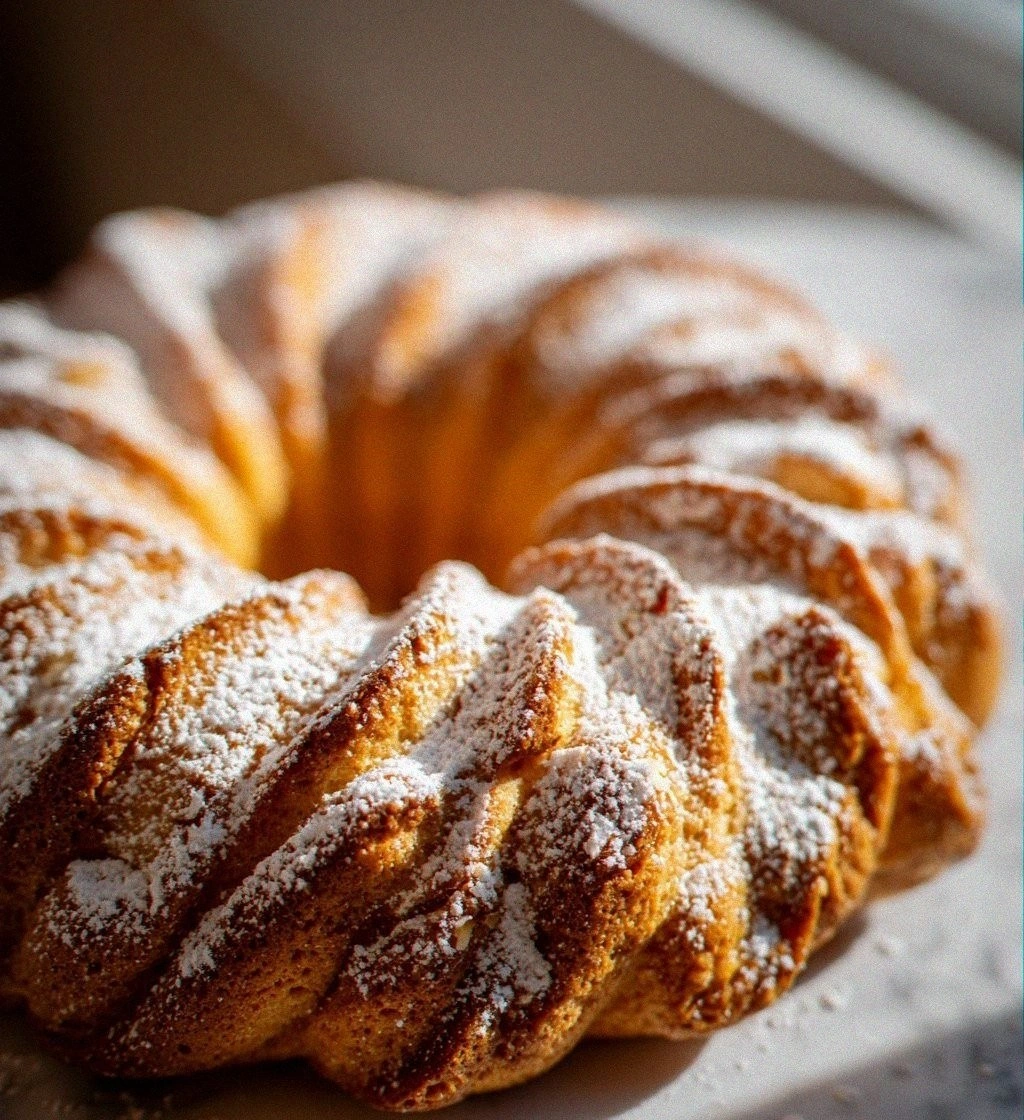
Almond Wreath Cake
 Save
Save
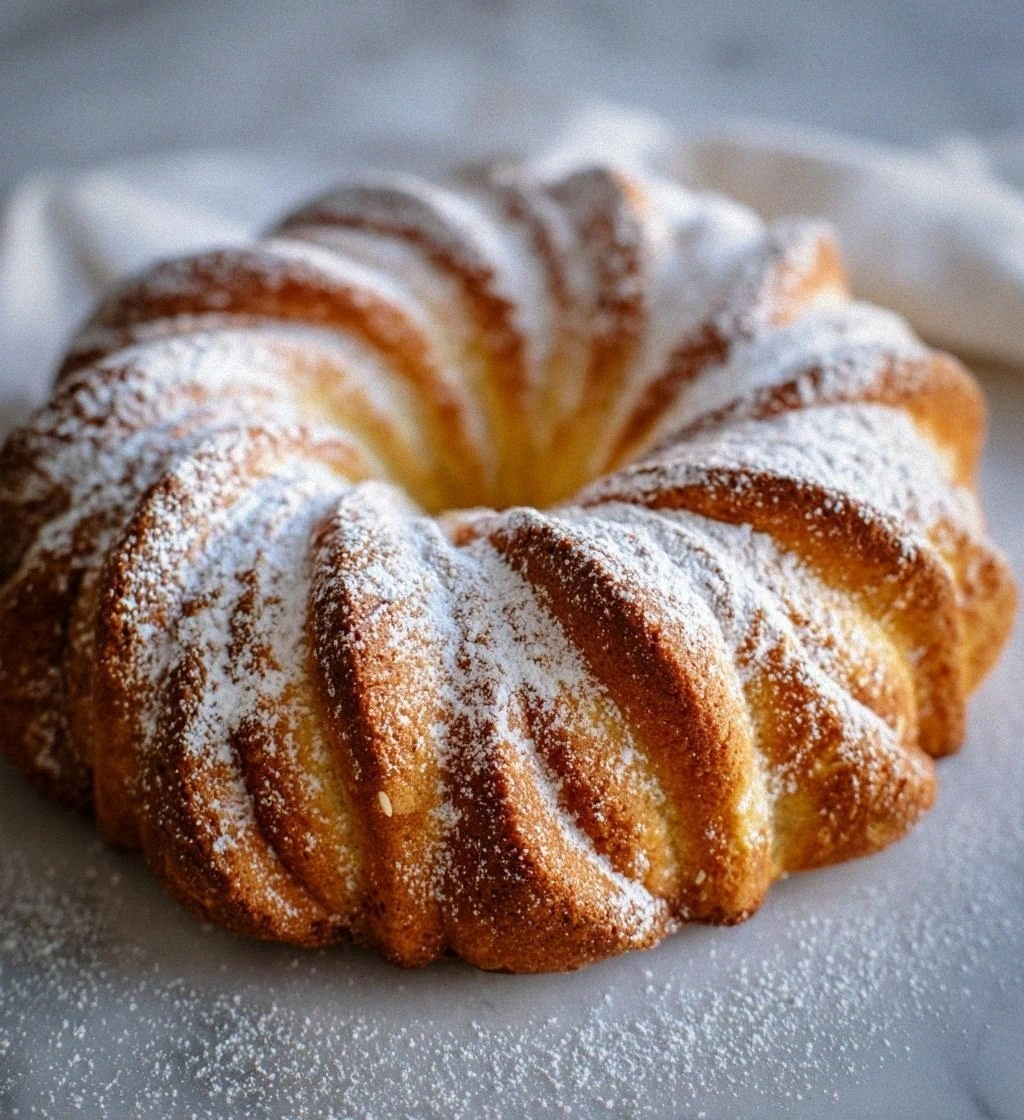
It was a crisp autumn afternoon when I first discovered the magic of an almond wreath cake. I was standing in my grandmother’s kitchen, the air thick with the sweet perfume of toasted nuts and butter, while the old wooden spoon clanged against a battered mixing bowl. The moment I lifted the lid off the batter, a cloud of fragrant steam rose, curling around my nose like a warm, nutty hug that whispered promises of comfort and celebration. I remember the golden crust that formed as the cake baked, the way the edges curled into a delicate wreath that seemed almost too pretty to cut—until the first slice revealed a tender, moist crumb speckled with almond flecks.
What makes this almond wreath cake a family favorite isn’t just the taste; it’s the whole experience. From the rhythmic whisking of butter and sugar, to the gentle folding of ground almonds that adds a subtle crunch, each step feels like a small ritual that connects generations. The cake’s buttery richness is balanced by the bright, nutty notes of almond extract, creating a flavor profile that’s both familiar and unexpectedly sophisticated. Imagine serving this at a brunch, a holiday gathering, or simply as an after‑dinner treat—every bite invites smiles, conversation, and that lingering sense of home.
But wait—there’s a secret trick that takes this cake from “delicious” to “absolutely unforgettable,” and I’ll reveal it in step four of the instructions. Have you ever wondered why some almond cakes turn out dense and heavy while others stay light and airy? The answer lies in a tiny detail that most bakers overlook, and mastering it will give you a head start on impressing even the toughest critics. Trust me, once you get this right, you’ll never look back.
Now, here’s exactly how to make it — and trust me, your family will be asking for seconds. Grab your apron, preheat that oven, and let’s embark on a culinary adventure that will fill your kitchen with the scent of toasted almonds and the promise of a beautiful, golden wreath waiting to be shared.
🌟 Why This Recipe Works
- Flavor Depth: The combination of ground almonds and almond extract creates layers of nutty aroma that deepen as the cake bakes, delivering a rich, buttery taste that feels both luxurious and home‑y.
- Texture Balance: Using both flour and finely ground almonds gives the crumb a tender, melt‑in‑your‑mouth softness while still offering a subtle, pleasant bite from the almond particles.
- Ease of Execution: The recipe requires only basic kitchen tools—mixing bowls, a whisk, and a simple round cake pan—making it approachable for bakers of any skill level.
- Time Efficiency: With a total time of just 45 minutes, you can whip up a show‑stopping dessert even on a busy weekday without sacrificing flavor.
- Versatility: This cake shines on its own, but it also pairs beautifully with fresh berries, a dollop of whipped cream, or a drizzle of honey for an extra special touch.
- Nutrition Boost: Ground almonds add a dose of healthy fats, protein, and vitamin E, turning a treat into a slightly more wholesome indulgence.
- Crowd‑Pleasing Factor: Its elegant wreath shape and dusting of powdered sugar make it look as if it belongs on a bakery display, yet it’s simple enough for a family kitchen.
🥗 Ingredients Breakdown
The Foundation
The base of any great cake starts with quality flour. Here we use 2 cups of all‑purpose flour, which provides structure without making the crumb too dense. If you prefer a lighter texture, you can substitute half of the flour with cake flour, but be sure to sift both together for an even blend. The flour’s role is to trap the air bubbles created during creaming, giving the cake its rise.
Ground almonds make up a full cup of the batter, and they’re the star of this recipe. Finely grinding the almonds ensures they integrate smoothly, preventing gritty pockets while still delivering that unmistakable almond flavor. Look for almonds that are fresh and have a sweet, buttery scent; older nuts can taste bitter and affect the overall taste.
Aromatics & Sweeteners
Sugar is not just for sweetness; it also helps to aerate the butter when creamed together, creating a light, fluffy base. One cup of granulated sugar is perfect for balancing the richness of the butter and the nuttiness of the almonds. If you love a deeper caramel note, you can swap half the sugar for brown sugar, but keep the total volume the same.
Unsalted butter, softened to room temperature, contributes to the cake’s tender crumb and glossy finish. The butter should be soft enough to press a finger into it without melting; this usually takes about 30 minutes out of the fridge. Using high‑quality butter, such as European‑style with higher butterfat, adds a richer mouthfeel.
The Secret Weapons
Almond extract is the little powerhouse that amplifies the almond flavor without overwhelming the palate. Just a teaspoon is enough to give the cake its signature aroma that fills the kitchen as it bakes. If you’re allergic to almond extract, a splash of vanilla can work, but you’ll lose that distinct almond punch.
Baking powder, at one teaspoon, provides the lift that turns this batter into a light, airy wreath rather than a flat, dense loaf. Pair it with a half‑teaspoon of salt, which enhances the overall flavor and balances the sweetness. Skipping the salt can make the cake taste flat, a common mistake even seasoned bakers make.
Finishing Touches
Powdered sugar is the final flourish, dusted over the cooled cake to add a delicate sweetness and a picture‑perfect finish. Use it sparingly if you’re watching sugar intake, or go generous for a snowy, festive look. A light dusting also helps to hide any imperfections on the surface, making the cake look professionally plated.
With your ingredients prepped and ready, let's get cooking. Here's where the fun really begins—mixing, folding, and shaping the batter into that iconic wreath shape that will wow your guests before they even take a bite.
🍳 Step-by-Step Instructions
🔐 Expert Tips for Perfect Results
The Taste Test Trick
Before you fold the dry ingredients into the batter, taste a tiny spoonful of the butter‑sugar mixture. If it feels too sweet, a pinch more salt can balance it out, and if it’s lacking depth, a few extra drops of almond extract will boost the aroma. This quick taste test ensures you’re adjusting the flavor profile before the heat of the oven locks it in.
Why Resting Time Matters More Than You Think
After creaming the butter and sugar, let the mixture rest for a minute or two. This short pause allows the sugar crystals to dissolve fully, resulting in a smoother batter and a finer crumb. I once rushed this step and ended up with a slightly grainy texture—taking those extra 60 seconds makes a world of difference.
The Seasoning Secret Pros Won’t Tell You
A pinch of sea salt sprinkled on top just before baking can create a subtle contrast that elevates the almond flavor. The tiny bursts of salty crunch appear as the sugar caramelizes, adding a sophisticated layer that most home bakers miss. It’s a tiny detail, but it transforms the cake from good to gourmet.
Temperature Control Is Key
Always bring your eggs and butter to room temperature before mixing. Cold ingredients can cause the batter to seize, leading to uneven rise and a dense texture. I learned this the hard way when a batch turned out flat—since then, I never skip the 30‑minute sit‑out.
The Perfect Release Technique
When unmolding the cake, run a thin, flexible spatula around the edges while the cake is still warm. This gentle nudge helps release the delicate wreath without breaking it. If you wait until it’s completely cool, the crust can adhere stubbornly, and you risk losing that beautiful shape.
🌈 Delicious Variations to Try
One of my favorite things about this recipe is how versatile it is. Here are some twists I've tried and loved:
Citrus‑Zest Almond Wreath
Add the zest of one lemon or orange to the batter for a bright, fragrant lift. The citrus cuts through the richness, making the cake perfect for spring brunches. Pair it with a light honey glaze for a refreshing finish.
Chocolate‑Swirl Delight
Melt ½ cup of dark chocolate and swirl it into the batter just before baking. The chocolate ribbons create a beautiful contrast against the golden almond crust, and the flavor pairing is a crowd‑pleaser for chocolate lovers.
Berry‑Infused Almond Wreath
Fold in 1 cup of fresh raspberries or blueberries after adding the almonds. The berries burst during baking, leaving pockets of juicy sweetness that complement the nutty base. Serve with a dollop of vanilla‑infused whipped cream for extra indulgence.
Spiced Autumn Version
Incorporate ½ teaspoon of ground cinnamon and a pinch of nutmeg into the dry ingredients. The warm spices echo the nutty almond flavor, making this variation ideal for holiday gatherings. Garnish with a drizzle of caramel sauce for a festive touch.
Gluten‑Free Almond Wreath
Replace the all‑purpose flour with an equal amount of a gluten‑free blend that contains xanthan gum. The almond content already provides structure, so the texture remains tender. Just be sure to sift the blend well to avoid any gritty bits.
📦 Storage & Reheating Tips
Refrigerator Storage
Store the cooled cake in an airtight container or wrap it tightly in plastic wrap. It will stay fresh for up to 4 days, and the flavors actually deepen as the almond oils meld. If you’re planning to serve it the next day, let it sit at room temperature for 20 minutes before dusting with powdered sugar.
Freezing Instructions
For longer storage, slice the cake into wedges, wrap each piece individually in parchment paper, then place them in a freezer‑safe bag. The cake freezes well for up to 2 months. When you’re ready to enjoy, thaw the slice in the refrigerator overnight and give it a quick warm‑up in the oven.
Reheating Methods
To revive a refrigerated slice, preheat your oven to 300°F (150°C) and warm the piece for 8‑10 minutes, or until the interior is soft and the crust regains its slight crispness. The trick to reheating without drying it out? Add a splash of milk or a drizzle of melted butter on the slice before heating; it restores moisture and adds a glossy sheen.
❓ Frequently Asked Questions
Can I use almond flour instead of ground almonds?
Why does my cake sink in the middle?
Can I add a glaze on top?
Do I need to toast the almonds?
Can I make this cake gluten‑free?
How long can I keep the cake at room temperature?
Can I substitute the butter with oil?
What’s the best way to serve this cake?
Similar Recipes
 Desserts
Irresistible Greek Yogurt Bark Recipe
Delicious Irresistible Greek Yogurt Bark Recipe
 Desserts
Cinnamon Swirl Frozen Yogurt Bars: A Step-by-Step Guide
Delicious Cinnamon Swirl Frozen Yogurt Bars: A Step-by-Step Guide
 Desserts
Tropical Bliss Mango Lime Sorbet
Delicious Tropical Bliss Mango Lime Sorbet
 Desserts
Blueberry Bliss Pie Bars Recipe
Delicious Blueberry Bliss Pie Bars Recipe
 Desserts
Deliciously Fudgy Banana Bread Brownies You’ll Love
Learn how to make delicious Deliciously Fudgy Banana Bread Brownies You’ll Love. Easy recipe with step-by-step…
 Desserts
Warm Chocolate Chip Banana Bread with Walnuts for Dessert
Learn how to make delicious Warm Chocolate Chip Banana Bread with Walnuts for Dessert. Easy recipe…
 Desserts
Decadent Double Chocolate Banana Bread: An Irresistible Treat
Delicious Decadent Double Chocolate Banana Bread: An Irresistible Treat
 Desserts
Christmas Lasagna Dessert: 6 Layers of Festive Delight
Learn how to make delicious Christmas Lasagna Dessert: 6 Layers of Festive Delight. Easy recipe with…

Susan
I cook these recipes at home before they ever land here — simple ingredients, clear steps.
Other Reader Favorites
 Appetizers
Crispy Ranch Cauliflower Tots: The Ultimate Recipe Guide
Delicious Crispy Ranch Cauliflower Tots: The Ultimate Recipe Guide
 Desserts
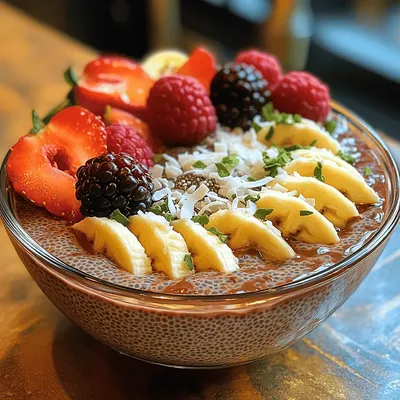
Decadent Delight: Guilt-Free Chocolate Chia Pudding
Delicious Decadent Delight: Guilt-Free Chocolate Chia Pudding
 Dinner
Creamy Chicken Avocado Pasta: A Healthy and Delicious Meal
Delicious Creamy Chicken Avocado Pasta: A Healthy and Delicious Meal
 Desserts
Sweet Maple Glazed Donut Holes Recipe
Delicious Sweet Maple Glazed Donut Holes Recipe