Buttered Lobster Pasta
 Save
Save
It was a breezy Saturday evening in late summer, the kind where the sun hangs low and the scent of salt from the nearby ocean drifts through the open windows. I remember standing at my kitchen counter, a fresh pot of linguine simmering, while the sound of waves seemed to echo in the background. The moment I lifted the lid of the sauce pan, a cloud of buttery, garlicky steam rose like a golden veil, wrapping the whole kitchen in a warm, inviting hug. I could already taste the sweet, briny notes of lobster mingling with the silky cream, and I knew this was going to be more than just a dinner—it was a celebration of the sea and the simple joy of cooking for people you love.
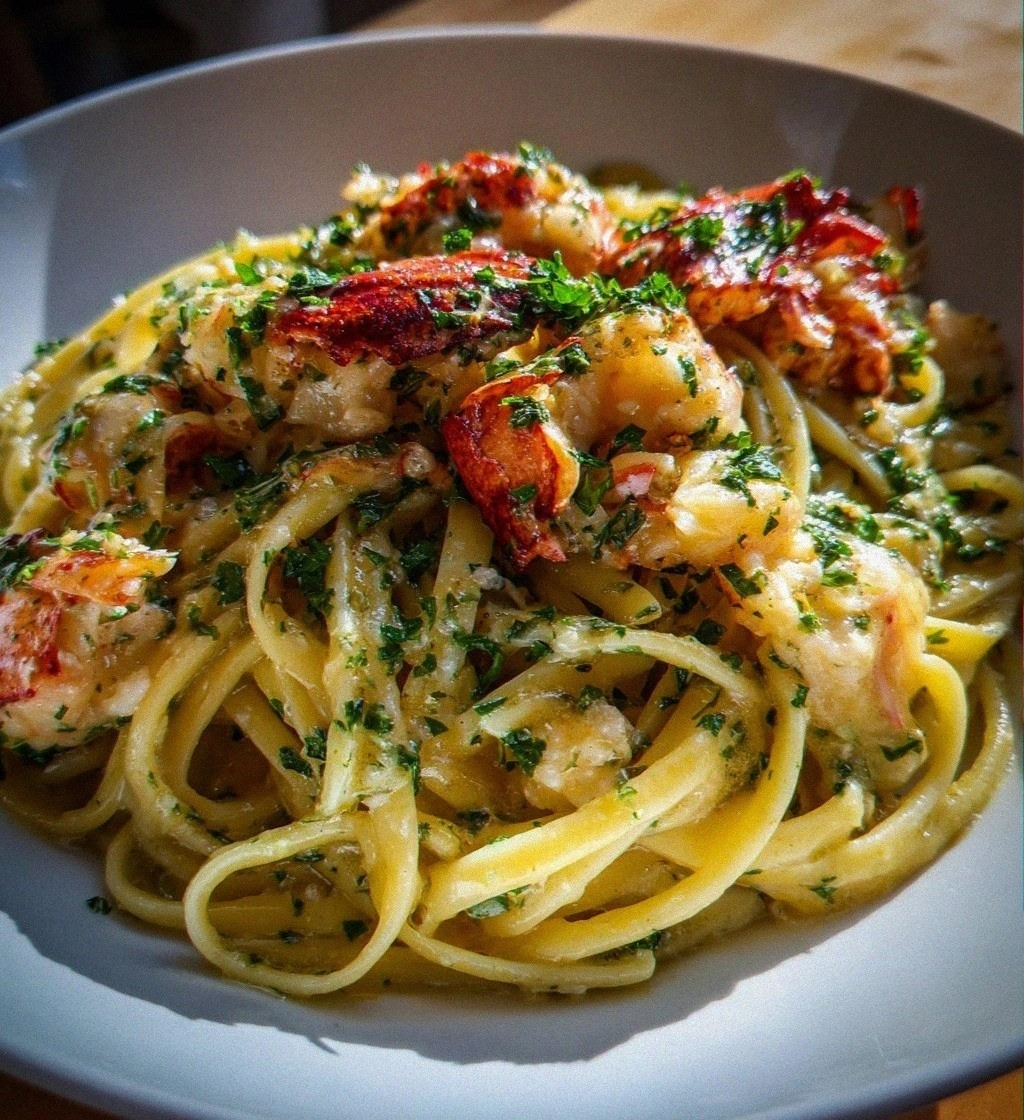
Buttered Lobster Pasta isn’t just another seafood dish; it’s a love letter to indulgence that feels both luxurious and comfortingly familiar. The linguine’s long, flat ribbons are perfect for clutching the buttery sauce, while the lobster meat, tender and sweet, adds a touch of elegance that makes even a weekday feel like a special occasion. Imagine the first bite: the silk of the sauce coating each strand, the melt‑in‑your‑mouth lobster, and a whisper of fresh parsley brightening every forkful. The flavors dance together, creating a harmony that’s both rich and balanced, and you’ll find yourself reaching for seconds before you’ve even finished the first plate.
What makes this recipe truly stand out is the simplicity of its technique paired with the premium quality of its ingredients. You don’t need a professional kitchen or a brigade of chefs; just a few essential tools, a pinch of patience, and a willingness to let each component shine. I’ve spent years tweaking this dish, learning that the secret isn’t hidden in exotic spices but in mastering the timing of each step. And here’s the thing: there’s a tiny trick in step four that most home cooks overlook, and it transforms the sauce from good to unforgettable. But wait—there’s more to uncover about why this sauce works so beautifully.
Now, if you’re ready to dive into a dish that will make your family ask for seconds and your guests whisper “wow,” keep reading. I’m about to walk you through every detail, from selecting the freshest lobster to plating the final masterpiece. Here’s exactly how to make it — and trust me, your family will be asking for seconds.
🌟 Why This Recipe Works
- Flavor Depth: The combination of butter, garlic, and white wine creates a layered base that’s both rich and bright, allowing the lobster’s natural sweetness to shine without being overpowered.
- Texture Harmony: Al dente linguine provides a slight chew that contrasts beautifully with the silky, buttery sauce and the tender lobster chunks.
- Ease of Execution: Each step is straightforward, with the most complex technique being the reduction of the wine—a skill any home cook can master with a little patience.
- Time Efficiency: From start to finish it takes under an hour, making it perfect for a weekend dinner that feels special without demanding a full day in the kitchen.
- Versatility: The sauce can be adapted with herbs, spices, or even a splash of citrus, allowing you to tailor the dish to seasonal produce or personal taste.
- Nutrition Balance: While indulgent, the dish still offers protein from lobster and a modest amount of carbs, making it a satisfying yet not overly heavy meal.
- Ingredient Quality: Using fresh, high‑quality lobster and real butter elevates the dish from ordinary to restaurant‑level luxury.
- Crowd‑Pleasing Factor: The visual appeal of glossy sauce and vibrant parsley, combined with the unmistakable aroma, makes it a guaranteed hit at any gathering.
🥗 Ingredients Breakdown
The Foundation
The 8 oz of linguine is more than just a vehicle; it’s the backbone of the dish. Its flat shape captures the buttery sauce in every groove, ensuring each bite is coated perfectly. If you prefer a slightly thicker noodle, you can swap linguine for fettuccine, but keep the portion size the same to maintain balance. When choosing pasta, look for a brand that uses durum wheat semolina for the best bite and minimal breakage during cooking.
Aromatics & Spices
Four tablespoons of unsalted butter form the luxurious base, while two cloves of minced garlic add an aromatic punch that awakens the palate. The garlic should be finely minced to release its oils quickly, but be careful not to burn it; otherwise, you’ll get a bitter edge. A pinch of salt and freshly cracked black pepper are the silent heroes, enhancing every flavor without stealing the spotlight. For those who love a subtle heat, a pinch of red pepper flakes can be added at this stage.
The Secret Weapons
A half‑cup of heavy cream introduces a silky texture that binds the sauce, while a quarter‑cup of white wine contributes acidity that cuts through the richness, creating a harmonious balance. Choose a dry white wine you would enjoy drinking—something like Sauvignon Blanc or Pinot Grigio works beautifully. If you’re avoiding alcohol, replace the wine with an equal amount of seafood stock or a splash of lemon juice for a similar bright note.
Finishing Touches
Fresh parsley, chopped just before serving, adds a pop of color and a fresh herbal finish that lifts the entire dish. It’s best to use flat‑leaf parsley for its robust flavor; curly parsley can be used in a pinch but won’t deliver the same depth. Finally, the star of the show: two cooked lobsters, meat removed and roughly chopped. Look for lobsters that are bright red after cooking and have firm, white flesh. If fresh lobster isn’t available, high‑quality frozen lobster tails work just as well—just thaw them fully and pat dry before adding to the sauce.
With your ingredients prepped and ready, let's get cooking. Here’s where the fun really begins—each step builds on the last, creating layers of flavor that will make this dish unforgettable.
🍳 Step-by-Step Instructions
🔐 Expert Tips for Perfect Results
The Taste Test Trick
Before you add the final pinch of salt, take a tiny spoonful of the sauce and let it sit on your palate for a moment. This pause helps you detect any missing seasoning, allowing you to adjust with a pinch of sea salt or a grind of pepper. I once served this dish to a professional chef who told me the sauce was “perfectly balanced” after I performed this simple taste test—proof that a mindful pause can make all the difference.
Why Resting Time Matters More Than You Think
After you combine the pasta with the sauce, let it sit off the heat for about two minutes. This resting period lets the starches in the pasta absorb the sauce, creating a richer, more cohesive flavor. I used to rush straight onto the plate, only to notice the sauce sliding off the noodles. Now, that short wait ensures every bite is uniformly coated and decadently smooth.
The Seasoning Secret Pros Won’t Tell You
A dash of lemon zest added at the very end brightens the entire dish, cutting through the butter’s richness without overpowering the lobster’s delicate sweetness. It’s a subtle lift that professional kitchens often use but rarely reveal. Try it once, and you’ll wonder how you ever cooked without that tiny citrus spark.
Butter Temperature Is Key
When melting butter, aim for a gentle melt rather than a rapid fry. Low‑and‑slow melting preserves the butter’s natural flavor and prevents it from developing a burnt note. I once used high heat, and the sauce ended up with a slightly bitter aftertaste—lesson learned, and now I always keep the flame moderate.
Lobster Handling 101
When removing lobster meat, be gentle to keep the chunks large and juicy. Use kitchen shears to cut through the shell and a small fork to lift the meat, preserving its texture. Large, succulent pieces give the pasta a luxurious mouthfeel, whereas overly shredded meat can become mushy.
🌈 Delicious Variations to Try
One of my favorite things about this recipe is how versatile it is. Here are some twists I’ve tried and loved:
Citrus‑Infused Lobster Pasta
Add the zest of one lemon and a tablespoon of fresh lemon juice just before serving. The bright citrus lifts the buttery sauce, giving it a refreshing tang that pairs beautifully with the sweet lobster. Expect a lighter, more summery flavor profile that’s perfect for a brunch setting.
Spicy Chipotle Lobster Linguine
Stir in a teaspoon of chipotle in adobo sauce along with the cream. The smoky heat adds depth without overwhelming the lobster’s natural sweetness. This variation works well for those who love a subtle kick and want to impress guests with a bold flavor twist.
Herb‑Garden Medley
Swap the parsley for a mixture of fresh basil, thyme, and chives. Each herb contributes its own aromatic nuance—basil’s sweetness, thyme’s earthiness, and chives’ mild onion note—creating a complex herbaceous backdrop. This version is especially delightful in spring when herbs are at their peak.
Mushroom & Truffle Oil Upgrade
Sauté sliced cremini mushrooms in the butter before adding garlic, then drizzle a few drops of truffle oil over the finished dish. The earthy mushrooms complement the lobster, while the truffle oil adds an indulgent aroma that elevates the entire plate to a fine‑dining experience.
Tomato‑Basil Fusion
Incorporate a handful of diced sun‑dried tomatoes and a splash of tomato purée when you add the cream. The tomatoes introduce a sweet‑tart element that balances the richness, while fresh basil added at the end brightens the dish. This variation feels like a Mediterranean twist on the classic.
Vegan “Lobster” Alternative
Replace lobster with king oyster mushroom “scallops” that have been marinated in soy sauce and seared until golden. Use plant‑based butter and coconut cream for the sauce. While not authentic, this version offers a similar texture and satisfies those seeking a plant‑based indulgence.
📦 Storage & Reheating Tips
Refrigerator Storage
Allow the pasta to cool to room temperature, then transfer it to an airtight container. It will keep for up to 2 days in the refrigerator. Before reheating, add a splash of milk or cream to restore moisture, as the sauce can thicken and cling to the noodles when chilled.
Freezing Instructions
If you need to store it longer, portion the pasta into freezer‑safe bags, removing as much air as possible. Freeze for up to 1 month. When ready to use, thaw overnight in the refrigerator, then reheat gently on the stovetop, adding a bit of broth or cream to loosen the sauce.
Reheating Methods
The best way to reheat without drying out is a gentle stovetop method: place the pasta in a skillet over low heat, add a tablespoon of butter or cream, and stir constantly until warmed through. Microwaving is possible, but be sure to cover the dish and stir halfway through to avoid hot spots. The key is low, slow heat to preserve the buttery silkiness.
❓ Frequently Asked Questions
Can I use frozen lobster instead of fresh?
What type of white wine should I use?
Can I substitute the heavy cream?
How do I avoid overcooking the lobster?
What can I serve alongside this pasta?
Can I make this recipe gluten‑free?
Is it okay to add cheese?
How do I keep the sauce from separating?
Finish the dish with a generous handful of chopped fresh parsley, sprinkling it over the top for a burst of color and freshness. Give the pasta one last gentle toss to distribute the parsley evenly. The parsley not only adds visual appeal but also a bright, herbaceous note that balances the richness of the butter and cream.
Transfer the buttered lobster pasta to warm serving plates or a large serving bowl. Drizzle a tiny bit of extra melted butter over the top if you like an extra glossy finish, and serve immediately while the sauce is still warm and the pasta is perfectly al dente. Trust me on this one: the first bite will melt in your mouth, and you’ll hear the delighted sighs of everyone at the table.
Similar Recipes
 Dinner
Quick Thai Basil Chicken: A Flavorful Journey into Thai Cuisine
Delicious Quick Thai Basil Chicken: A Flavorful Journey into Thai Cuisine
 Dinner
batch cooking turkey and winter vegetable stew for easy dinners
Learn how to make delicious batch cooking turkey and winter vegetable stew for easy dinners. Easy…
 Dinner
Quick Pork and Cabbage Stir Fry with a Spicy Gochujang Sauce
Learn how to make delicious Quick Pork and Cabbage Stir Fry with a Spicy Gochujang Sauce.…
 Dinner
Creamy Chicken Pasta with Corn and Bacon: A Comfort Food Delight
Delicious Creamy Chicken Pasta with Corn and Bacon: A Comfort Food Delight
 Dinner
Hobo Stew
Learn how to make delicious Hobo Stew. Easy recipe with step-by-step instructions.
 Dinner
Crispy School Lunch Tacos
Delicious Crispy School Lunch Tacos
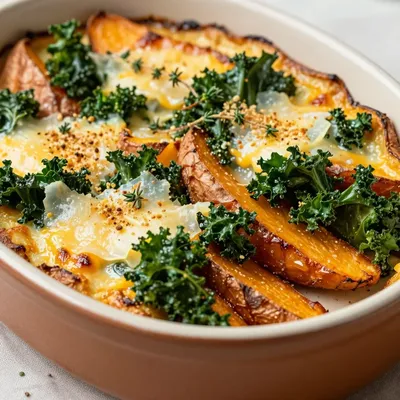 Dinner
cozy roasted sweet potato and kale casserole for weeknight dinners
Learn how to make delicious cozy roasted sweet potato and kale casserole for weeknight dinners. Easy…
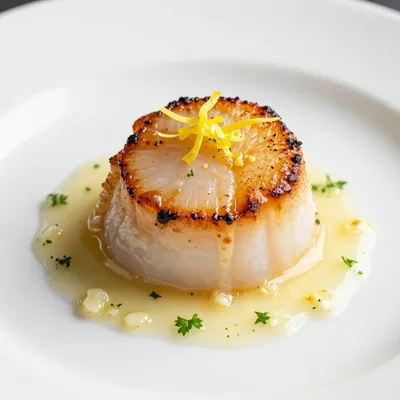 Dinner
Crispy Garlic Butter Scallops for Elegant Dinners
Learn how to make delicious Crispy Garlic Butter Scallops for Elegant Dinners. Easy recipe with step-by-step…

Susan
I cook these recipes at home before they ever land here — simple ingredients, clear steps.