Caprese Stuffed Chicken: An Incredible Ultimate Recipe for 5-Star Meals
 Save
Save
It was a balmy summer evening in my grandparents’ kitchen, the kind of night where fireflies dance just outside the open window and the scent of fresh basil drifts in from the garden. I remember the moment I lifted the lid off a pan and a cloud of fragrant steam rose, carrying the sweet perfume of ripe tomatoes, melted mozzarella, and a hint of garlic that seemed to whisper, “Dinner is served.” That night, my grandma unveiled her secret Caprese stuffed chicken, and the first bite was a revelation – juicy chicken breast hugging a molten core of cheese and sun‑kissed tomatoes, all brightened by the aromatic punch of fresh basil. The experience was so vivid that I could still taste the buttery richness and hear the gentle sizzle as the chicken browned, and I promised myself I would one day bring that magic to my own family table.
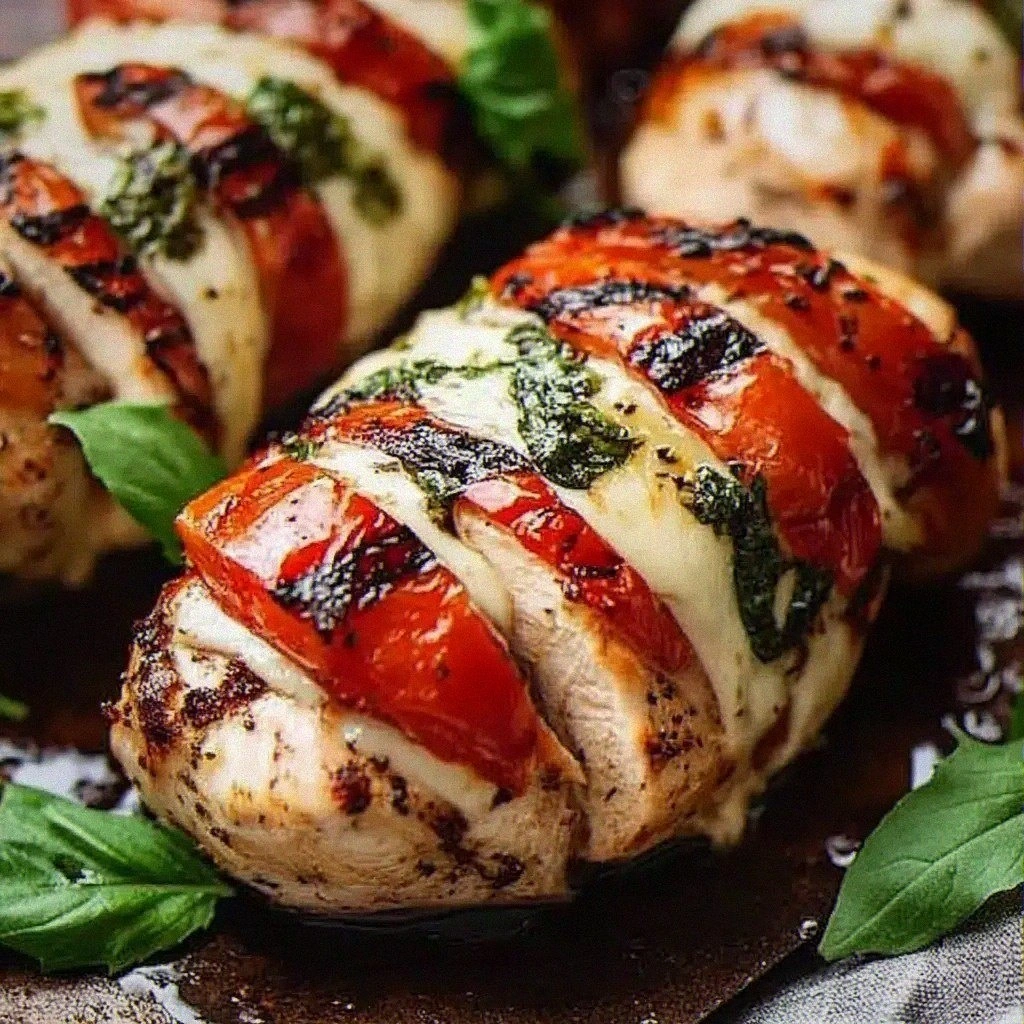
Fast forward a few years, and that promise has become a reality that I’m thrilled to share with you today. This isn’t just another chicken recipe; it’s a love letter to the classic Italian Caprese salad, reimagined as a hearty, protein‑packed entrée that feels both elegant and comfortingly familiar. Imagine the bright red of heirloom tomatoes, the glossy green of basil leaves, and the creamy white of mozzarella melting together inside a perfectly seasoned chicken pocket – each bite is a symphony of texture and flavor that sings of summer gardens and rustic trattorias. The secret? A careful balance of moisture, seasoning, and a few kitchen tricks that turn an ordinary dinner into a 5‑star experience.
But wait – there’s more to this dish than meets the eye. In the next sections, I’ll walk you through why this recipe works so beautifully, break down each ingredient so you know exactly what you’re buying, and guide you step‑by‑step through the cooking process with tips that even seasoned chefs will appreciate. You’ll also discover variations that let you customize the flavor profile, storage hacks that keep leftovers perfect, and answers to the most common questions home cooks ask. And trust me, the secret technique I’ll reveal in step four will change the way you think about stuffing chicken forever.
Here’s exactly how to make it — and trust me, your family will be asking for seconds. Grab a pen, preheat your oven, and let’s dive into the delicious world of Caprese stuffed chicken, where every bite feels like a celebration of fresh, simple ingredients elevated to gourmet heights.
🌟 Why This Recipe Works
- Flavor Depth: The combination of sun‑dried tomatoes, fresh basil, and mozzarella creates layers of sweet, tangy, and creamy notes that mingle perfectly with the savory chicken. Each bite delivers a burst of Mediterranean sunshine, making the dish unforgettable.
- Texture Contrast: Juicy, tender chicken meets the gooey stretch of melted cheese and the slight crunch of seared edges, providing a satisfying mouthfeel that keeps you coming back for more.
- Ease of Preparation: Despite its restaurant‑quality appearance, the recipe uses straightforward techniques like butterflying and stuffing, which can be mastered in under an hour.
- Time Efficiency: With a prep time of just 15 minutes and a cooking time of 30 minutes, you can serve a gourmet‑level dinner on a weeknight without sacrificing flavor.
- Versatility: The core concept can be adapted with different cheeses, herbs, or even a touch of spice, allowing you to tailor the dish to any palate or dietary need.
- Nutrition Balance: Lean chicken provides high‑quality protein, while the tomatoes and basil add antioxidants and vitamins, making the meal both indulgent and wholesome.
- Ingredient Quality: Using fresh, high‑quality mozzarella and ripe tomatoes elevates the dish, proving that simple ingredients can shine when treated with respect.
- Crowd‑Pleasing Factor: The familiar flavors of a Caprese salad combined with the comfort of chicken make this dish a guaranteed hit for both kids and adults alike.
🥗 Ingredients Breakdown
The Foundation
The backbone of this dish is boneless, skinless chicken breasts. I prefer using thick‑cut breasts because they hold the stuffing better and stay moist during cooking. If you can, choose organic or free‑range chicken for a richer flavor profile. When butterflying, aim for an even thickness of about ½ inch; this ensures uniform cooking and prevents the outer layer from drying out while the center remains undercooked.
Aromatics & Spices
Fresh garlic and a pinch of sea salt are the unsung heroes that awaken the natural juices of the chicken. Minced garlic adds a subtle heat that deepens the overall flavor without overpowering the delicate mozzarella. I like to finish the seasoning with cracked black pepper and a drizzle of extra‑virgin olive oil, which helps the chicken develop that coveted crispy exterior. If you’re looking for a twist, a sprinkle of smoked paprika can introduce a gentle smoky undertone that pairs beautifully with the fresh basil.
The Secret Weapons
This is where the Caprese magic truly shines. Ripe heirloom tomatoes, sliced thin, bring a burst of juiciness and natural acidity that cuts through the richness of the cheese. Fresh basil leaves, torn rather than chopped, release aromatic oils that perfume the entire dish. For the cheese, I choose fresh mozzarella because its high moisture content yields a luscious, stringy melt that blankets the chicken like a silky blanket. If fresh mozzarella isn’t available, a good quality low‑moisture mozzarella works, but be sure to pat it dry before using.
Finishing Touches
A splash of balsamic reduction drizzled over the finished chicken adds a sweet‑tart glaze that mirrors the classic Caprese salad dressing. If you prefer a lighter finish, a squeeze of fresh lemon juice brightens the dish and balances the richness. Finally, a sprinkle of flaky sea salt just before serving adds a satisfying crunch and accentuates the layered flavors. Remember, the quality of each component matters – from the bright, fragrant basil to the buttery olive oil – because they all work together to create a harmonious bite.
With your ingredients prepped and ready, let's get cooking. Here's where the fun really begins...
🍳 Step-by-Step Instructions
🔐 Expert Tips for Perfect Results
The Taste Test Trick
Before sealing the chicken, take a tiny bite of the raw stuffing mixture. This may sound odd, but it lets you adjust seasoning on the spot. If the tomatoes need a pinch more salt or the cheese feels bland, now is the moment to fix it. Trust me, a well‑seasoned interior makes the final dish sing.
Why Resting Time Matters More Than You Think
Resting the chicken after it comes out of the oven isn’t just a courtesy; it’s a science. As the meat relaxes, the fibers re‑absorb the juices that were pushed to the surface during cooking. Skipping this step often results in a dry bite, especially when the chicken is sliced. So set a timer for five minutes and let the flavors settle.
The Seasoning Secret Pros Won’t Tell You
A dash of grated Parmigiano‑Reggiano on the outside of the chicken before searing creates a subtle crust that adds umami depth. It’s a trick I learned from a sous‑chef who swore by it for all poultry dishes. The cheese melts into the skin, forming a golden, flavorful layer that’s hard to resist.
Butterfly with Care
When butterflying, keep your knife angled slightly upward to avoid cutting through the opposite side. This technique preserves the structural integrity of the breast, preventing the stuffing from spilling out during cooking. I once sliced a pocket too deep and ended up with a half‑filled chicken – a lesson learned the hard way!
Balsamic Reduction Timing
If you make the balsamic glaze too early, it can become overly thick and cloying. Aim to finish it just as the chicken comes out of the oven, so it’s warm but still fluid enough to drizzle. The warm glaze melds with the cheese, creating a glossy finish that looks as good as it tastes.
🌈 Delicious Variations to Try
One of my favorite things about this recipe is how versatile it is. Here are some twists I've tried and loved:
Mediterranean Spin
Swap fresh mozzarella for crumbled feta and add a handful of Kalamata olives to the stuffing. The salty feta and briny olives introduce a tangy, Mediterranean flair that pairs beautifully with the basil and tomatoes.
Spicy Kick
Incorporate thinly sliced roasted red peppers and a pinch of red‑pepper flakes into the filling. The peppers add a sweet heat, while the flakes give a subtle, lingering spiciness that awakens the palate.
Pesto‑Infused
Blend a tablespoon of fresh basil pesto into the mozzarella before stuffing. The pesto infuses the cheese with herbaceous richness, eliminating the need for extra basil leaves and intensifying the green notes.
Cheesy Delight
Mix in a blend of mozzarella and provolone for a stretchier, more complex melt. The provolone adds a buttery undertone that elevates the overall cheesiness without overwhelming the fresh tomato flavor.
Winter Warmth
For a cozy, seasonal version, add roasted butternut squash cubes and a sprinkle of sage to the stuffing. The sweet, earthy squash balances the acidity of the tomatoes, making the dish perfect for cooler evenings.
Low‑Carb Crunch
Replace the tomato slices with roasted red bell pepper strips and add a handful of toasted pine nuts for crunch. This variation keeps the carb count lower while still delivering a satisfying texture contrast.
📦 Storage & Reheating Tips
Refrigerator Storage
Allow the chicken to cool to room temperature (no more than two hours), then wrap each piece tightly in plastic wrap or place them in an airtight container. Stored in the fridge, the leftovers stay fresh for up to three days. When reheating, add a splash of chicken broth or water to keep the meat from drying out.
Freezing Instructions
For longer‑term storage, freeze the cooked chicken in a single layer on a parchment‑lined tray until solid, then transfer to a zip‑top freezer bag. Label with the date; the dish freezes well for up to two months. To reheat, thaw overnight in the refrigerator, then gently warm in a skillet covered with a lid, adding a drizzle of olive oil to revive the crispness.
Reheating Methods
The best way to reheat without sacrificing moisture is to use a low oven (300°F/150°C) for 15‑20 minutes, covered with foil to trap steam. For a quick microwave fix, slice the chicken thinly, cover with a damp paper towel, and heat in 30‑second bursts, checking for even warmth. A final quick sear in a hot pan for one minute restores that golden crust you love.
❓ Frequently Asked Questions
Can I use chicken thighs instead of breasts?
What if I don’t have fresh mozzarella?
How do I prevent the stuffing from spilling out?
Can I prepare the stuffing ahead of time?
Is there a gluten‑free version?
What side dishes pair best with this meal?
Can I make this recipe in a grill pan?
How do I make this recipe dairy‑free?
Remove the skillet from the oven and let the chicken rest for 5 minutes. Resting allows the juices to redistribute, ensuring every slice stays moist. Drizzle the balsamic reduction over the top, then finish with a final sprinkle of flaky sea salt and a few fresh basil leaves for a pop of color.
Slice each chicken breast on a diagonal to showcase the beautiful, melty center. Serve immediately with a side of roasted vegetables or a simple arugula salad dressed with lemon and olive oil. The contrast of the warm chicken with the crisp greens creates a balanced plate that feels both elegant and comforting.
Similar Recipes
 Dinner
Garlic Butter Cod with Lemon for a 15-Minute Dinner
Learn how to make delicious Garlic Butter Cod with Lemon for a 15-Minute Dinner. Easy recipe…
 Dinner
Crispy Air Fryer Chicken Leg Quarters in Just 35 Minutes!
Learn how to make delicious Crispy Air Fryer Chicken Leg Quarters in Just 35 Minutes!. Easy…
 Dinner
healthy winter vegetable soup with cabbage carrots and potatoes
Learn how to make delicious healthy winter vegetable soup with cabbage carrots and potatoes. Easy recipe…
 Dinner
Stuffed Zucchini Bliss Boats Recipe: A Delicious and Healthy Dish
Delicious Stuffed Zucchini Bliss Boats Recipe: A Delicious and Healthy Dish
 Dinner
Zesty Quinoa and Black Bean Taco Bowls
Delicious Zesty Quinoa and Black Bean Taco Bowls
 Dinner
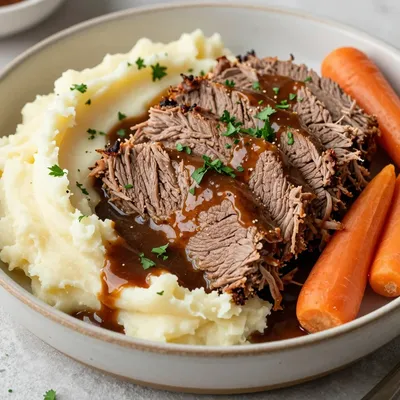
Slow Cooker Pot Roast for Cozy NFL Playoff Sundays
Learn how to make delicious Slow Cooker Pot Roast for Cozy NFL Playoff Sundays. Easy recipe…
 Dinner
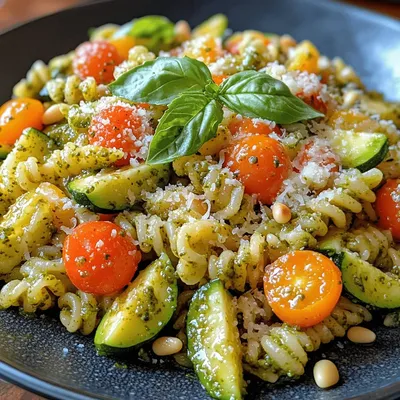
Pesto Primavera Pasta Delight: A Fresh and Flavorful Vegan Recipe
Delicious Pesto Primavera Pasta Delight: A Fresh and Flavorful Vegan Recipe
 Dinner
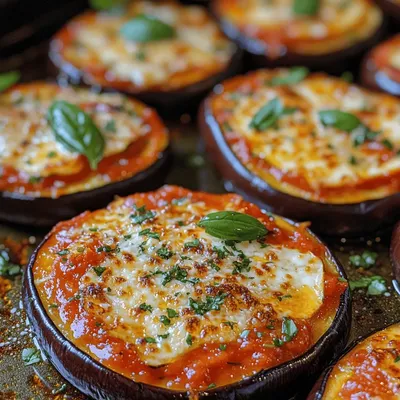
Mini Air Fryer Eggplant Pizzas
Delicious Mini Air Fryer Eggplant Pizzas

Susan
I cook these recipes at home before they ever land here — simple ingredients, clear steps.