Christmas Salmon: A Festive Twist for Your Holiday Table
 Save
Save
It was the night before Christmas Eve when I first discovered the magic of a perfectly glazed salmon that seemed to sparkle like the twinkling lights draped over my living‑room tree. I still remember the soft hum of the oven, the faint crackle of the butter as it melted, and the way the kitchen filled with a warm, citrusy perfume that made my whole family pause their holiday chatter and lean in for a deeper breath. The moment you lift the lid, a cloud of fragrant steam hits you, carrying notes of orange zest, honeyed spice, and a whisper of fresh dill that instantly transports you to a festive wonderland. That first bite—delicate, buttery, with a hint of sweet heat—was the kind of culinary revelation that makes you feel like you’ve just unlocked a secret holiday tradition.
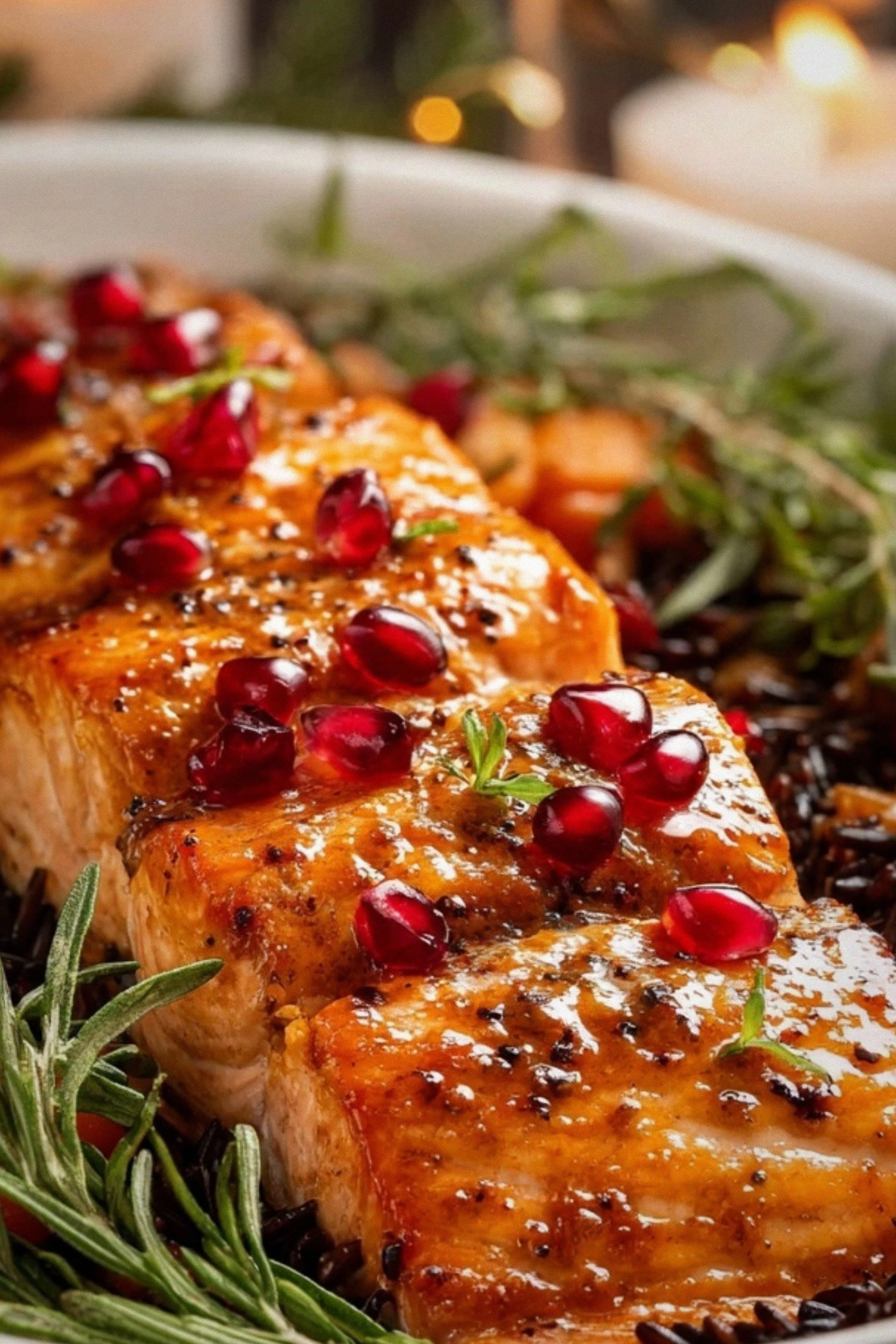
Since that unforgettable dinner, the recipe has become a centerpiece at every gathering, from intimate family meals to bustling office potlucks. What makes this dish so special is its ability to balance the richness of salmon with bright, festive flavors that feel both luxurious and comforting. Imagine serving a glossy, amber‑glazed fillet on a platter surrounded by ruby‑red pomegranate seeds that pop like tiny confetti—each element designed to delight the eyes as much as the palate. The beauty of this recipe is that it doesn’t demand a professional kitchen; with a few pantry staples and a little patience, you can recreate that restaurant‑level elegance right at home.
But there’s more to the story than just a beautiful plate. The secret lies in a few simple techniques that amplify flavor, texture, and visual appeal, turning an ordinary piece of fish into a holiday masterpiece. Have you ever wondered why the salmon stays moist while the glaze forms a caramelized crust? The answer is a combination of timing, temperature, and a touch of culinary chemistry that I’m about to share. Trust me, once you master these tricks, you’ll never look at a salmon fillet the same way again.
Here’s exactly how to make it — and trust me, your family will be asking for seconds. The journey from raw fillet to festive centerpiece is a series of small, purposeful steps, each designed to build layers of flavor and texture that sing in harmony. And just when you think you’ve reached the peak of deliciousness, I’ll reveal a final garnish that adds a burst of color and a surprising crunch. Ready to bring a festive twist to your holiday table? Let’s dive in.
🌟 Why This Recipe Works
- Flavor Depth: The combination of orange zest, honey, and warm spices creates a multi‑dimensional glaze that penetrates the salmon while staying on the surface, delivering sweet, tangy, and aromatic notes in every bite.
- Texture Contrast: A quick sear in butter gives the skin a crisp, golden crunch, while the flesh remains buttery and flaky, offering a satisfying mouthfeel that keeps diners coming back for more.
- Ease of Execution: Despite its elegant appearance, the recipe requires only a handful of ingredients and a single pan, making it accessible for cooks of any skill level, even on a busy holiday schedule.
- Time Efficiency: With a total prep and cook time of under an hour, you can have a show‑stopping main course ready while the turkey rests, ensuring a smooth flow to your festive feast.
- Versatility: The glaze can be tweaked with different citrus fruits or sweeteners, allowing you to tailor the flavor profile to match your family’s traditions or dietary preferences.
- Nutrition Boost: Salmon is packed with omega‑3 fatty acids, high‑quality protein, and essential vitamins, making this indulgent‑looking dish also a heart‑healthy choice for holiday celebrations.
- Ingredient Quality: By focusing on fresh herbs, high‑grade salmon, and real honey, the recipe showcases the natural flavors of each component without relying on artificial additives.
- Crowd‑Pleasing Factor: The vibrant glaze and festive garnish create a visual impact that draws compliments from guests, turning a simple dinner into a memorable event.
🥗 Ingredients Breakdown
The Foundation: Fresh Salmon & Fats
The star of the show is a high‑quality salmon fillet, preferably wild‑caught with a deep pink hue and firm flesh. Wild salmon not only boasts a superior flavor but also contains higher levels of omega‑3 fatty acids, which contribute to that melt‑in‑your‑mouth texture we all love. If you can, choose fillets with the skin on; the skin protects the delicate meat during cooking and becomes a deliciously crispy canvas when seared. For the fat component, a blend of olive oil and unsalted butter provides both a high smoke point and a buttery richness that carries the glaze beautifully.
Aromatics & Spices: Building the Flavor Base
Garlic and fresh ginger are the aromatic duo that awaken the palate, offering a warm, slightly pungent backdrop that balances the sweetness of honey. The orange zest and juice introduce a bright citrus spark, while the ground cinnamon and cloves add a whisper of holiday spice that feels both familiar and exciting. Dijon mustard contributes a subtle tang and helps emulsify the glaze, ensuring it clings to the salmon without separating. Salt and freshly ground black pepper are the essential seasoning duo that amplify all the other flavors without overwhelming them.
The Secret Weapons: Sweet & Umami Boosters
Honey is the natural sweetener that caramelizes during cooking, creating that glossy, amber finish we crave. Soy sauce, used sparingly, injects a deep umami depth that rounds out the sweetness and adds a hint of savory complexity. Fresh dill and parsley, added at the end, bring a burst of herbaceous freshness that cuts through the richness, while pomegranate seeds provide a pop of tartness and a jewel‑like visual contrast on the plate.
Finishing Touches: Garnish & Presentation
A final drizzle of extra‑virgin olive oil, a squeeze of fresh lemon, and a sprinkle of pomegranate seeds turn the dish into a festive masterpiece. The lemon adds a bright acidity that lifts the glaze, while the pomegranate seeds add a burst of juicy crunch and a ruby‑red sparkle reminiscent of holiday ornaments. Serve the salmon on a warm platter, surrounded by fresh herbs and citrus wedges, and you’ll have a centerpiece that looks as good as it tastes.
With your ingredients prepped and ready, let's get cooking. Here's where the fun really begins...
🍳 Step-by-Step Instructions
🔐 Expert Tips for Perfect Results
The Taste Test Trick
Before you commit to the full glaze, dip a tiny spoonful into a glass of water; if it forms a light, shimmering film rather than dissolving, the balance of honey and citrus is just right. This quick test saves you from an overly sweet or too acidic glaze, ensuring every bite hits the perfect sweet‑savory spot. I discovered this trick after a holiday where the glaze was too cloying, and it’s saved my dishes ever since.
Why Resting Time Matters More Than You Think
Allowing the salmon to rest for a few minutes after cooking lets the juices redistribute, preventing a dry finish. During this brief pause, the glaze also thickens slightly, creating a velvety coating that clings to the fish. I once served salmon straight from the oven, and the meat was slightly dry; a five‑minute rest changed everything.
The Seasoning Secret Pros Won’t Tell You
A pinch of flaky sea salt added just before serving can transform the dish, giving a subtle crunch that contrasts with the soft fish. This finishing salt also amplifies the sweet and citrus notes, making the flavors pop on the palate. It’s a tiny detail that professional chefs often keep under wraps, but it makes a world of difference.
Butter‑Basting for Extra Richness
While the salmon cooks skin‑side down, add a knob of butter and a sprig of fresh thyme to the pan; spoon the melted butter over the flesh repeatedly. This technique infuses the fish with herb‑infused richness and helps the glaze adhere more evenly. I’ve used this method for years on steak, and it works wonders on salmon too.
The Power of a Good Pan
A heavy‑bottomed, oven‑safe skillet distributes heat evenly, preventing hot spots that can scorch the glaze. Cast iron or stainless steel with a thick base are ideal choices. If you’re using a thin pan, keep the heat a notch lower and watch the glaze closely to avoid burning.
🌈 Delicious Variations to Try
One of my favorite things about this recipe is how versatile it is. Here are some twists I've tried and loved:
Maple‑Bourbon Glaze
Swap the honey for pure maple syrup and add a splash of bourbon for a deep, caramel‑rich flavor. The bourbon’s subtle smokiness complements the salmon’s natural richness, while the maple adds a winter‑time sweetness that feels like a cozy fireplace in a bite.
Asian‑Inspired Sesame‑Soy
Replace the orange juice with rice vinegar, add a tablespoon of toasted sesame oil, and sprinkle toasted sesame seeds on top. This variation brings a nutty, tangy profile that pairs beautifully with a side of jasmine rice and stir‑fried snow peas.
Herb‑Infused Pesto Crust
Spread a thin layer of basil‑pine nut pesto over the fillet before adding the glaze, then bake as directed. The pesto adds a fresh, herbaceous layer that contrasts with the sweet glaze, creating a complex flavor dance on the palate.
Spicy Chipotle Citrus
Add a teaspoon of chipotle in adobo sauce to the glaze for a smoky heat, and increase the orange zest for extra brightness. This version is perfect for those who love a little kick and want to surprise guests with a bold, unexpected flavor.
Cranberry‑Walnut Topping
Top the finished salmon with a mixture of toasted walnuts, dried cranberries, and a drizzle of reduced balsamic vinegar. The crunchy nuts and tart cranberries echo classic holiday flavors while adding texture and visual appeal.
📦 Storage & Reheating Tips
Refrigerator Storage
Allow the salmon to cool to room temperature, then transfer it to an airtight container. It will keep fresh for up to 3 days in the fridge. For best texture, store the glaze separately and re‑heat it gently before serving to avoid the sauce becoming gummy.
Freezing Instructions
If you need to make the dish ahead of time, freeze the cooked salmon (without garnish) in a freezer‑safe bag for up to 2 months. Thaw overnight in the refrigerator, then reheat gently on the stovetop with a splash of broth or water to keep it moist.
Reheating Methods
The trick to reheating without drying it out? A splash of orange juice or a drizzle of olive oil in a covered skillet over low heat. Heat until the fish is just warmed through and the glaze shimmers again, about 5‑7 minutes. Avoid microwaving, as it can make the salmon rubbery and the glaze uneven.
❓ Frequently Asked Questions
Can I use frozen salmon instead of fresh?
What if I don’t have orange zest?
How do I prevent the glaze from burning?
Can I make this recipe dairy‑free?
What side dishes pair best with this salmon?
Is it okay to cook the salmon entirely on the stovetop?
Can I add a wine pairing suggestion?
How do I make the dish gluten‑free?
Now, the moment of truth: slice each fillet into generous portions, letting the knife glide through the flaky flesh with ease. Serve each piece alongside a spoonful of any remaining glaze that’s collected in the pan—this extra sauce is pure gold and adds a final burst of flavor. Encourage your guests to sprinkle a few extra pomegranate seeds on top for that extra crunch and visual sparkle. Trust me on this one: the combination of textures will have everyone reaching for seconds.
Pair the salmon with simple sides that let its flavors shine—think roasted Brussels sprouts tossed in olive oil, creamy mashed potatoes, or a crisp winter salad with citrus segments. The key is to keep the accompaniments light enough not to compete with the salmon’s complex glaze. As you sit down to enjoy the meal, take a moment to appreciate the aroma that fills the room—a reminder that food, especially during the holidays, is as much about memory and feeling as it is about taste.
Similar Recipes
 Dinner
Crispy Beef Tacos Recipe
Golden, crispy beef tucked into warm tortillas with fresh toppings creates an irresistible taco night.
 Dinner
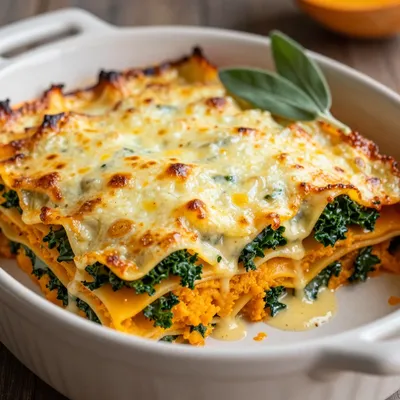
cozy butternut squash and kale lasagna for cold january evenings with family
Learn how to make delicious cozy butternut squash and kale lasagna for cold january evenings with…
 Dinner
Conclusion: Savoring the Flavor of Home-Cooked Comfort
Delicious Conclusion: Savoring the Flavor of Home-Cooked Comfort
 Dinner
Zesty Chickpea Quinoa Bowl: A Nutritious Delight
Delicious Zesty Chickpea Quinoa Bowl: A Nutritious Delight
 Dinner
Fragrant Lemongrass Chicken Pho: A Culinary Journey Through Flavor and Tradition
Delicious Fragrant Lemongrass Chicken Pho: A Culinary Journey Through Flavor and Tradition
 Dinner
Spicy Creamy Cajun Chicken Pasta: The Perfect Balance of Heat and Richness
Delicious Spicy Creamy Cajun Chicken Pasta: The Perfect Balance of Heat and Richness
 Dinner
Sweet Potato & Black Bean Fiesta Tacos
Delicious Sweet Potato & Black Bean Fiesta Tacos
 Dinner
Irresistible Maple Roasted Thanksgiving Veggies Recipe
Learn how to make delicious Irresistible Maple Roasted Thanksgiving Veggies Recipe. Easy recipe with step-by-step instructions.

Susan
I cook these recipes at home before they ever land here — simple ingredients, clear steps.