Cozy Tuscan White Bean Soup Recipe for Ultimate Comfort
 Save
Save
It was a crisp November evening, the kind where the wind whistles through the pine‑laden hills and the kitchen becomes the warmest refuge in the house. I remember pulling my favorite worn‑in apron from the hook, the one that smells faintly of rosemary from years of use, and setting a pot on the stove while the fireplace crackled nearby. As the olive oil began to shimmer, the scent of garlic and fresh carrots rose like an invitation, and I knew I was about to create something that would hug the soul the way a soft blanket does on a cold night. The moment you lift the lid, a cloud of fragrant steam hits you—earthy rosemary, sweet carrots, and the subtle nuttiness of white beans mingle in a dance that feels both rustic and refined.
What makes this soup truly special is its ability to feel luxurious without demanding a culinary degree. The white beans turn silky, the spinach (or kale, if you prefer a heartier bite) adds a pop of color and nutrition, and the broth—whether store‑bought or homemade—absorbs every aromatic whisper from the vegetables. I’ve served this at family gatherings, after long hikes, and even on lazy Sunday mornings when the only thing I wanted was comfort in a bowl. Have you ever wondered why restaurant versions of Tuscan bean soup taste so different? The secret often lies in the quality of the olive oil and the patience you give the flavors to meld together.
But wait—there’s a little twist that turns this humble soup into an unforgettable experience, and I’ll reveal it after we walk through the steps. Trust me, once you try it, you’ll be reaching for that extra ladle for seconds, then thirds, and you’ll start bragging about the “secret” to friends and family. The best part? It’s adaptable, nutritious, and can be whipped up on a weeknight without sacrificing any of that cozy, home‑cooked charm.
Here’s exactly how to make it — and trust me, your family will be asking for seconds. Grab your favorite pot, gather the ingredients, and let’s dive into a bowl of Tuscan comfort that will keep you warm from the first spoonful to the very last.
🌟 Why This Recipe Works
- Flavor Depth: The combination of fresh rosemary, garlic, and high‑quality olive oil creates layers of flavor that deepen as the soup simmers, delivering a taste that feels both earthy and bright.
- Silky Texture: White beans break down gently, turning the broth into a velvety canvas while still leaving some beans whole for a satisfying bite.
- Ease of Preparation: With just a handful of steps and common pantry staples, this soup can be assembled in under an hour, making it perfect for busy evenings.
- Time‑Saving Flexibility: You can use canned beans for a quicker version or dried beans for a richer, more authentic texture—either way, the result is delicious.
- Versatility: Swap spinach for kale, add a splash of lemon, or sprinkle with grated Pecorino for a personalized touch that fits any palate.
- Nutrition Boost: Packed with plant‑based protein, fiber, and vitamins from the greens, this soup fuels both body and mind.
- Ingredient Quality: By emphasizing fresh herbs and extra‑virgin olive oil, the dish showcases the best of Tuscan ingredients without needing exotic imports.
- Crowd‑Pleasing Factor: Its comforting aroma and hearty mouthfeel make it a hit with kids, adults, and even the picky eaters at the table.
🥗 Ingredients Breakdown
The Foundation: Beans & Broth
White beans are the heart of this soup. Whether you reach for a can of cannellini or spend a night soaking dried beans, they bring a creamy, buttery texture that thickens the broth naturally. Tip: If you’re using dried beans, soak them overnight and then simmer until tender; this not only improves texture but also reduces cooking time later.
Vegetable broth acts as the liquid canvas. A good-quality broth, preferably low‑sodium, lets you control the seasoning more precisely. Homemade broth, made from simmered carrots, celery, and onion, adds an extra layer of depth that store‑bought versions can’t quite match. Imagine the aroma of simmering vegetables filling your kitchen—that’s the foundation of flavor you’re building.
Aromatics & Spices: The Flavor Builders
Olive oil is more than a cooking medium; it’s a flavor carrier. Using extra‑virgin olive oil ensures a fruity, peppery note that complements the beans and greens. When you heat the oil gently with garlic and rosemary, the oil absorbs their essence, turning every spoonful into a fragrant experience.
Garlic, fresh and minced, brings a pungent bite that mellows as it cooks, creating a subtle sweetness that balances the earthiness of the beans. Fresh rosemary, with its piney, slightly citrusy profile, adds a rustic Tuscan vibe that transports you straight to an Italian hillside. And don’t forget the carrots and celery—these classic aromatics provide a natural sweetness and a crunchy base that rounds out the soup’s flavor.
The Secret Weapons: Greens & Herbs
Spinach or kale introduces a vibrant green pop and a boost of iron, calcium, and fiber. Spinach wilts quickly, giving a silky finish, while kale holds its texture longer, offering a hearty bite. Both greens soak up the broth’s flavor, making each spoonful richer.
Fresh rosemary is the star herb, but you can also experiment with thyme or sage for a different aromatic profile. The key is to add the herbs at the right time—early for infusion, later for a fresh burst. This timing trick is something I discovered after a friend warned me that over‑cooking rosemary makes it bitter.
Finishing Touches: Seasoning & Texture
A pinch of sea salt and freshly cracked black pepper brings everything together, while a drizzle of extra‑virgin olive oil right before serving adds a glossy finish and a burst of richness. If you love a hint of acidity, a splash of lemon juice at the end brightens the soup and balances the earthiness of the beans.
With your ingredients prepped and ready, let's get cooking. Here's where the fun really begins...
🍳 Step-by-Step Instructions
🔐 Expert Tips for Perfect Results
The Taste Test Trick
Before you finish cooking, scoop a small spoonful, let it cool for a second, then taste. This allows you to gauge the seasoning balance without the heat masking flavors. If it feels flat, a pinch of sea salt or a dash of smoked paprika can revive it. I once served a batch that was too bland until a quick taste test revealed the missing pinch of salt—instant transformation.
Why Resting Time Matters More Than You Think
Even after turning off the heat, let the soup sit covered for 5‑10 minutes. This resting period lets the beans absorb the broth fully, creating a richer mouthfeel. The vegetables also continue to soften, resulting in a smoother texture. I’ve found that soups left to rest taste deeper, as if they’ve been simmering all day.
The Seasoning Secret Pros Won’t Tell You
Add a splash of good‑quality white wine or a teaspoon of balsamic vinegar midway through simmering. The acidity brightens the broth and accentuates the rosemary’s piney notes. This is a trick I learned from a chef friend who swears by a splash of wine in bean soups. Trust me on this one—your palate will thank you.
Balancing Creaminess Without Cream
If you crave an even silkier texture, blend half of the soup in a blender or use an immersion blender for a few seconds. This technique creates a velvety base while keeping whole beans for texture. I once tried this for a dinner party, and guests raved about the luxurious mouthfeel without any dairy.
Storing the Soup for Maximum Flavor
When refrigerating, store the soup in airtight containers and place a thin layer of olive oil on top. This prevents a skin from forming and preserves the glossy finish. Reheat gently over low heat, adding a splash of broth if it looks thick—this keeps the soup from drying out.
The Final Garnish Game‑Changer
A final garnish can elevate the dish from home‑cooked to restaurant‑ready. Try toasted pine nuts, a sprinkle of smoked paprika, or a few shavings of aged Parmesan. The contrast of texture and flavor adds excitement to each bite. I once topped the soup with crispy sage leaves, and the crunch was the talk of the table.
🌈 Delicious Variations to Try
One of my favorite things about this recipe is how versatile it is. Here are some twists I've tried and loved:
Tuscan Tomato Burst
Add a cup of diced San Marzano tomatoes midway through simmering. The tomatoes introduce a bright acidity that balances the bean richness, creating a slightly tangy version reminiscent of a ribollita. This variation pairs beautifully with a drizzle of basil‑infused olive oil.
Spicy Sausage & Bean Fusion
Stir in sliced Italian sausage (or plant‑based sausage for a vegetarian option) after the beans have softened. The sausage adds smoky depth and a hearty protein boost, making the soup a complete meal on its own. Serve with a side of polenta to soak up the flavorful broth.
Lemon‑Herb Light
Swap rosemary for fresh thyme and finish the soup with a generous squeeze of lemon juice and a handful of chopped parsley. The citrus brightens the dish, turning it into a spring‑time refresher that feels lighter yet still comforting.
Mushroom Medley
Sauté a mix of cremini, shiitake, and porcini mushrooms with the carrots and celery. The earthy mushroom umami deepens the broth, giving it a forest‑floor richness that pairs wonderfully with the beans. A splash of truffle oil at the end elevates this variation to gourmet status.
Creamy Coconut Twist
Replace half of the vegetable broth with full‑fat coconut milk for a subtle tropical flair. The coconut adds a gentle sweetness and extra creaminess, while the rosemary keeps the Tuscan character intact. Garnish with toasted coconut flakes for a surprising crunch.
📦 Storage & Reheating Tips
Refrigerator Storage
Allow the soup to cool to room temperature before transferring it to airtight containers. It will keep fresh for up to 4 days. When storing, place a thin drizzle of olive oil on the surface; this forms a protective barrier that prevents a skin from forming and keeps the broth glossy.
Freezing Instructions
For longer storage, portion the soup into freezer‑safe bags or containers, leaving about an inch of headspace for expansion. Freeze for up to 3 months. To thaw, move the bag to the refrigerator overnight, then reheat gently on the stove, adding a splash of broth or water if the texture seems thick.
Reheating Methods
Reheat the soup over low to medium heat, stirring occasionally to prevent sticking. If using a microwave, heat in 30‑second intervals, stirring between each burst. The trick to reheating without drying it out? A splash of vegetable broth or a drizzle of olive oil right before serving restores the silky mouthfeel.
❓ Frequently Asked Questions
Can I use other types of beans?
Is this soup gluten‑free?
How can I make the soup vegan?
Can I add meat to this soup?
What’s the best way to thicken the soup without adding cream?
Can I make this soup in a slow cooker?
How long can I keep the soup in the fridge before it loses flavor?
Is it okay to add a splash of lemon juice?
Similar Recipes
 Dinner
Savory Roasted Mushroom & Balsamic Pasta Shells
Delicious Savory Roasted Mushroom & Balsamic Pasta Shells
 Dinner
Zesty Fish Taco Bowls with Crunchy Slaw: A Flavorful Feast
Delicious Zesty Fish Taco Bowls with Crunchy Slaw: A Flavorful Feast
 Dinner
cozy slowcooker beef and winter vegetable stew with fresh herbs
Learn how to make delicious cozy slowcooker beef and winter vegetable stew with fresh herbs. Easy…
 Dinner
Slow Cooker Chicken Pot Pie Soup with Biscuit Topping Crumbles
Learn how to make delicious Slow Cooker Chicken Pot Pie Soup with Biscuit Topping Crumbles. Easy…
 Dinner
Fall Chili Chicken Taco Casserole Recipe
Delicious Fall Chili Chicken Taco Casserole Recipe
 Dinner
warm slow cooker beef and cabbage stew with garlic and fresh thyme
Toss beef, cabbage, garlic & thyme into the slow cooker for an easy, warming stew. Set…
 Dinner
Hearty Lentil and Sausage Stew
Delicious Hearty Lentil and Sausage Stew
 Dinner
Easy Sheet Pan Lemon Herb Salmon And Asparagus
Learn how to make delicious Easy Sheet Pan Lemon Herb Salmon And Asparagus. Easy recipe with…

Susan
I cook these recipes at home before they ever land here — simple ingredients, clear steps.
Other Reader Favorites
 Dinner
Croissant Smash Burgers
Learn how to make delicious Croissant Smash Burgers. Easy recipe with step-by-step instructions.
 Dinner
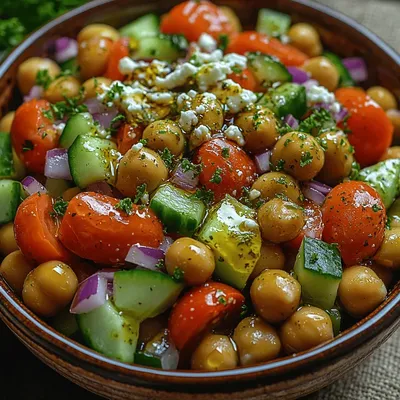
Chickpea Delight: A Mediterranean Escape
Delicious Chickpea Delight: A Mediterranean Escape
 Breakfast
Supercharged Overnight Oats: A Nutritious Start to Your Day
Delicious Supercharged Overnight Oats: A Nutritious Start to Your Day
 Appetizers
Whip Up Delicious Mini Taco Cups: A Fun and Flavorful Recipe for Any Occasion
Delicious Whip Up Delicious Mini Taco Cups: A Fun and Flavorful Recipe for Any Occasion