Craft Crispy Salt and Pepper Chicken at Home Tonight
 Save
Save
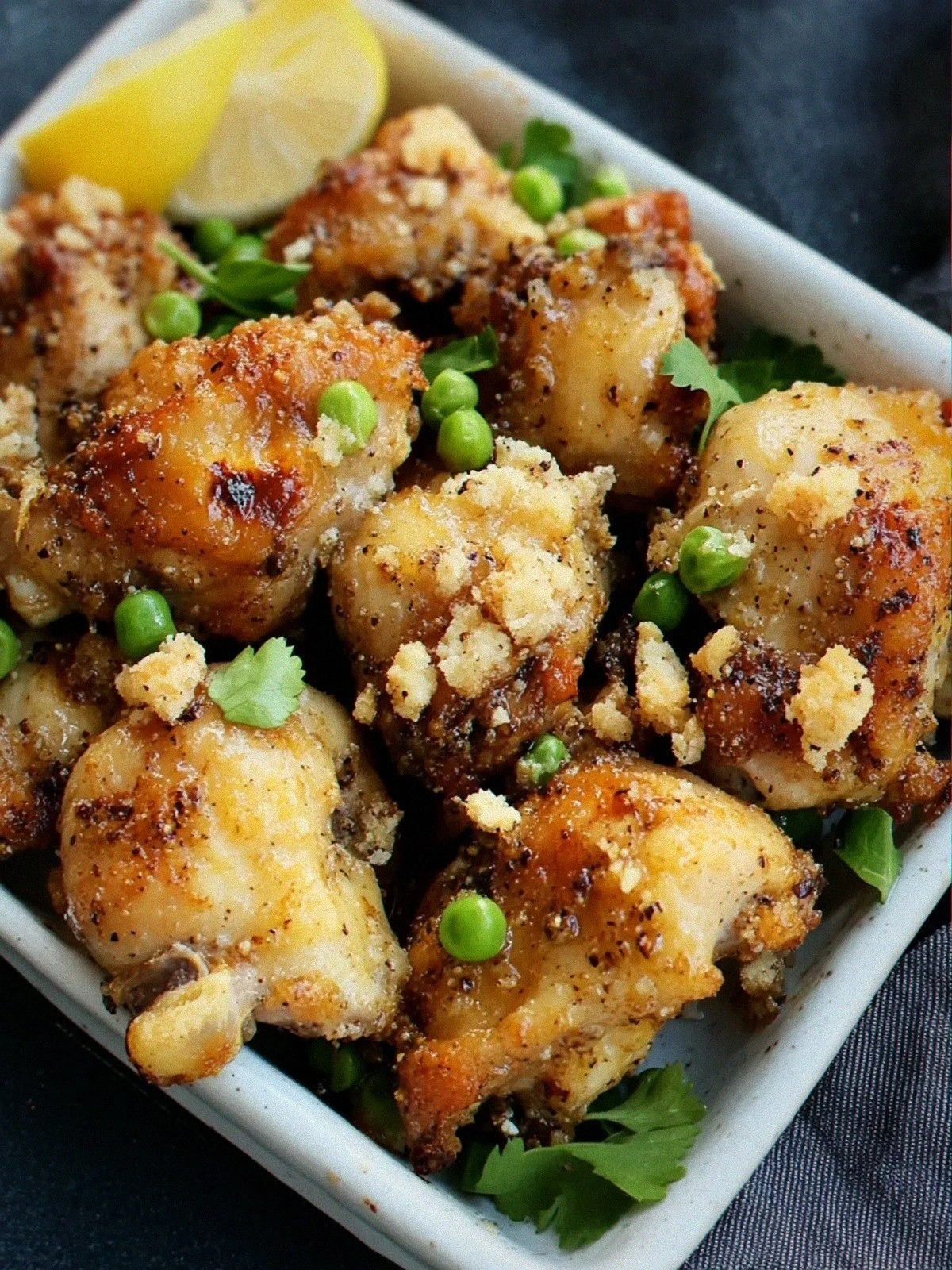
It was a crisp autumn evening, the kind where the wind whistles through the trees and the kitchen becomes a sanctuary of warmth and sizzling aromas. I remember pulling a battered take‑out box from the freezer, only to realize the restaurant’s version of salt‑and‑pepper chicken was missing that unmistakable crunch that makes you close your eyes and sigh in pure satisfaction. The moment I lifted the lid, a cloud of fragrant steam hit me—salty, peppery, with a whisper of caramelized garlic that made my mouth water before the first bite even arrived. That night, I promised myself I would crack the code and bring that restaurant magic home, and after a few trial runs (including one disastrous batch that turned out soggy and sad), I finally nailed the perfect balance of texture and flavor.
What makes this dish so captivating is the marriage of a light, airy coating that shatters into golden shards the instant it hits the hot oil, and a sauce that clings just enough to give each bite a burst of umami without drowning the crisp. Imagine the crackle of the chicken as you press a fork into it, the aroma of toasted cornstarch mingling with the sharp bite of freshly ground pepper, and a glossy glaze that glistens like a promise of comfort on a cold night. The secret isn’t some exotic spice blend; it’s the careful choreography of simple pantry staples, a splash of rice wine for depth, and a dash of brown sugar that caramelizes just enough to create that irresistible sheen.
But wait—there’s a hidden trick that takes the crunch from good to legendary, and I’ll reveal it in step four of the cooking process. Have you ever wondered why restaurant versions taste so different even though they use the same basic ingredients? The answer lies in a tiny, often overlooked technique that most home cooks skip, and it’s the key to achieving that flawless, feather‑light crust you’ve been chasing. Trust me, once you master this, you’ll never settle for anything less.
Here’s exactly how to make it — and trust me, your family will be asking for seconds, your friends will beg for the recipe, and you’ll finally have a go‑to crowd‑pleaser that feels as special as a holiday feast. Ready to roll up your sleeves and dive into a culinary adventure that will leave your kitchen smelling like a five‑star bistro? Let’s get started, and I’ll walk you through every sizzling detail.
🌟 Why This Recipe Works
- Flavor Depth: The combination of soy sauce, rice wine, and a hint of brown sugar creates a layered umami profile that deepens with each bite, turning simple chicken into a savory masterpiece. This balance ensures the dish isn’t just salty; it’s complex and satisfying.
- Ultimate Crunch: Cornstarch, when mixed with a pinch of baking soda, forms a light, airy batter that fries to a crisp that shatters delicately under the fork. The secret is the tiny air pockets that form during frying, delivering that signature crunch.
- Speedy Preparation: With just a handful of ingredients and a straightforward 45‑minute timeline, this recipe fits perfectly into a busy weekday dinner schedule without sacrificing quality. You’ll be amazed at how quickly you can go from raw chicken to a restaurant‑style plate.
- Versatility: The base recipe is a blank canvas—swap green onions for cilantro, add a splash of chili oil, or toss in toasted sesame seeds for a different twist each time you make it. This adaptability keeps the dish fresh and exciting.
- Nutrition Balance: While indulgent in texture, the dish stays relatively lean thanks to using chicken breast and a modest amount of oil, and the sauce adds a modest boost of protein from the soy sauce without overwhelming calories. It’s comfort food that won’t completely derail your health goals.
- Ingredient Accessibility: Every component lives in a typical pantry or grocery aisle, meaning you won’t need to hunt for specialty items or exotic spices. That convenience makes the recipe approachable for cooks of any skill level.
- Family‑Friendly Appeal: The familiar flavors of salt, pepper, and a gentle sweet glaze make it a hit with kids and adults alike, while the crunchy texture adds an element of fun that encourages even picky eaters to dig in.
- Restaurant‑Quality Finish: By mastering the oil temperature and timing, you achieve a glossy, professional‑looking glaze that looks as good as it tastes, impressing guests without the need for a pricey kitchen.
🥗 Ingredients Breakdown
The Foundation: Protein & Moisture
The star of this dish is the 1 lb chicken breast. I always choose boneless, skinless breasts because they provide a clean canvas that absorbs the seasoning without competing flavors. Look for meat that’s firm to the touch and has a pinkish hue—this indicates freshness. If you’re feeling adventurous, you can substitute thigh meat for extra juiciness, but remember that the cooking time might need a slight adjustment.
1 Egg acts as the binding agent that helps the cornstarch cling to the chicken, creating that even, golden coating. I recommend beating the egg with a splash of water to thin it out; this ensures the batter spreads thinly, resulting in a lighter crunch. For a richer flavor, you could use a lightly beaten egg yolk only, but the whole egg gives the best balance of structure and taste.
Aromatics & Spices: The Flavor Boosters
2 tbsp Green Onions add a fresh, slightly sharp note that cuts through the richness of the fried coating. Slice them thinly so they release their aroma quickly during the final stir‑fry. If you’re out of green onions, scallions or even chives work just as well, offering a similar bright flavor.
3 cloves Garlic provide the unmistakable warm, aromatic backbone of many Asian‑inspired dishes. Crush them first to release the essential oils, then mince for an even distribution throughout the sauce. Garlic can be a double‑edged sword—overcooking turns it bitter, so keep an eye on that sizzling stage.
1 tsp Salt and 1 tsp Pepper are the classic duo that elevate the chicken’s natural flavor. Freshly ground black pepper adds a subtle heat and a fragrant bite that you can’t get from pre‑ground pepper. For an extra kick, try a pinch of white pepper or even a dash of smoked paprika.
The Secret Weapons: Texture & Glaze
1 cup Cornstarch is the hero behind that airy, melt‑in‑your‑mouth crust. When mixed with a touch of baking soda (1 tsp Baking Soda), it creates tiny bubbles that expand during frying, giving the coating its signature lightness. Some cooks swap half the cornstarch for rice flour for an even crispier texture, but the pure cornstarch method is foolproof.
2 tbsp Soy Sauce delivers a deep umami richness that anchors the glaze, while 2 tbsp Rice Wine adds a subtle acidity that brightens the overall flavor profile. Together they form a savory base that balances the sweetness of 1 tbsp Brown Sugar. If you don’t have rice wine, dry sherry or a splash of mirin can stand in, though the flavor will shift slightly.
1/4 cup Water and 2 tbsp Rice Wine together create the liquid foundation for the glaze, ensuring it spreads evenly over the chicken without pooling. The water helps dilute the intensity of the soy sauce, while the rice wine adds depth. Adjust the water slightly if you prefer a thicker sauce; just remember that a thinner glaze will coat the chicken more uniformly.
Finishing Touches: Oil & Sweet Balance
2 cups Vegetable Oil is essential for achieving that even, high‑heat fry that locks in moisture while forming the crispy shell. I prefer oils with a high smoke point like canola or peanut, as they stay stable at the 350°F (175°C) range we need. If you’re watching calories, you can shallow‑fry the chicken in a non‑stick skillet with a thin layer of oil, though the texture won’t be quite the same.
1 tbsp Brown Sugar is the subtle sweetener that caramelizes during the final stir‑fry, giving the dish a glossy finish and a hint of caramel flavor. It also helps balance the saltiness of the soy sauce, creating a harmonious sweet‑savory dance on the palate. For a deeper molasses flavor, use dark brown sugar, but be mindful not to over‑caramelize.
With your ingredients prepped and ready, let's get cooking. Here’s where the fun really begins—because the magic happens when the heat meets the batter, and the aromas start to fill your kitchen.
🍳 Step-by-Step Instructions
Start by patting the 1 lb chicken breast dry with paper towels; this is crucial because excess moisture will steam the coating instead of crisping it. Cut the chicken into bite‑size pieces, about 1‑inch cubes, so they fry quickly and evenly. Toss the pieces with 1 tsp Salt and 1 tsp Pepper, making sure each piece is evenly seasoned. Let the seasoned chicken rest for five minutes while you prepare the batter—this short rest allows the salt to begin breaking down the muscle fibers, resulting in a juicier bite.
In a shallow bowl, whisk together 1 Egg with a splash of cold water until the mixture is smooth and slightly frothy. The cold liquid helps the coating set faster when it hits the hot oil. In a separate plate, combine 1 cup Cornstarch with 1 tsp Baking Soda, whisking to distribute the soda evenly. The baking soda is the secret that creates tiny air pockets during frying, giving you that feather‑light crunch.
Dip each seasoned chicken piece into the egg wash, allowing any excess to drip back into the bowl, then roll it in the cornstarch mixture until fully coated. Press gently with your fingers to ensure the coating adheres—this step is where many home cooks lose the crunch because the batter isn’t compact enough. Place the coated pieces on a wire rack for a minute; this brief air‑dry helps the crust set before it meets the oil.
Heat 2 cups Vegetable Oil in a deep skillet or wok over medium‑high heat until it reaches 350°F (175°C). You can test the temperature by dropping a tiny pinch of cornstarch into the oil; it should sizzle and rise to the surface within a second. Carefully add a handful of chicken pieces, being sure not to overcrowd the pan—overcrowding drops the oil temperature and results in a soggy coating. Fry for 3‑4 minutes, turning once, until the pieces turn a deep golden‑brown and emit that irresistible crackle.
Using a slotted spoon, transfer the fried chicken to a paper‑towel‑lined plate to drain excess oil. While the chicken rests, keep the oil hot for a second batch—there’s no need to discard it unless it smells burnt. In the same skillet (wipe out any stray bits if needed), add 2 tbsp Soy Sauce, 2 tbsp Rice Wine, 1 tbsp Brown Sugar, and 1/4 cup Water. Stir continuously over medium heat until the mixture bubbles and the sugar dissolves, creating a glossy glaze that thickens slightly.
Now, introduce the fried chicken back into the skillet, tossing gently to coat each piece in the shimmering sauce. Add the minced 3 cloves Garlic and the sliced 2 tbsp Green Onions at this point; they will release their aromas without burning, infusing the glaze with fresh, pungent notes. The sauce should cling to each morsel, giving it a glossy sheen that looks restaurant‑ready. Continue tossing for another 2 minutes, allowing the flavors to meld and the chicken to re‑absorb a touch of the sauce.
Transfer the chicken to a serving platter, garnish with an extra sprinkle of green onions for color, and serve immediately while the crust is still crisp. The contrast between the hot, crunchy exterior and the tender, juicy interior is what makes this dish unforgettable. Pair it with steamed jasmine rice or a simple cucumber salad to balance the richness, and you’ve got a complete meal that feels both comforting and celebratory.
And there you have it! But before you dig in, let me share some tips that will take this from great to absolutely unforgettable…
🔐 Expert Tips for Perfect Results
The Taste Test Trick
Before you commit to the full batch, fry a single piece of chicken and taste it. This miniature test lets you gauge the seasoning level and adjust the salt or pepper before the whole pan is involved. I once under‑salted the entire batch because I trusted my first test piece, only to realize the flavor faded as the sauce coated the rest—now I always double‑check.
Why Resting Time Matters More Than You Think
After coating the chicken, let it sit for at least 10 minutes. This resting period allows the cornstarch to absorb a bit of moisture from the chicken, forming a tighter bond that won’t flake off during frying. The result is a crust that stays attached even after the final toss in the glaze, delivering that satisfying crunch every bite.
The Seasoning Secret Pros Won’t Tell You
Add a pinch of smoked paprika or a dash of chili flakes to the cornstarch mix for a subtle smoky heat that elevates the dish without overpowering it. Professional kitchens often keep this secret in the back of their spice drawers, using it to create depth without extra sauces. Try it next time you want a surprise twist that still feels familiar.
Oil Temperature Mastery
Invest in a simple candy or deep‑fry thermometer; maintaining a steady 350°F (175°C) ensures the coating crisps instantly rather than soaking up oil. If you notice the oil smoking, lower the heat slightly and let it stabilize before adding more chicken. Consistency here is the difference between a light, airy crust and a greasy, soggy one.
Sauce Consistency Control
If your glaze thickens too quickly, add a splash of water or extra rice wine to loosen it; if it stays too thin, let it simmer a minute longer to reduce. The goal is a sauce that clings just enough to give each bite a glossy sheen without drowning the crunch. A thin glaze can make the dish feel oily, while an overly thick glaze can mask the delicate flavor of the chicken.
🌈 Delicious Variations to Try
One of my favorite things about this recipe is how versatile it is. Here are some twists I’ve tried and loved:
Spicy Szechuan Kick
Swap the plain black pepper for a blend of Szechuan peppercorns and a teaspoon of chili oil in the glaze. The numbing heat of Szechuan pepper adds a playful tingling sensation, while the chili oil brings a deep, smoky spiciness that makes the dish perfect for those who love a little fire.
Citrus‑Infused Delight
Add the zest of one lemon or orange to the sauce, and finish with a squeeze of fresh citrus juice right before serving. The bright acidity lifts the richness, creating a fresh, summer‑ready version that pairs wonderfully with a light quinoa salad.
Herb‑Garden Crunch
Mix finely chopped fresh basil, cilantro, and mint into the green onion garnish. The herbaceous notes add a fragrant layer that complements the salty‑pepper base, making the dish feel garden‑fresh and perfect for a spring dinner.
Honey‑Glazed Sweetness
Replace half of the brown sugar with honey, and add a drizzle of honey over the finished chicken. The honey caramelizes during the final toss, giving the glaze a richer, amber hue and a deeper, floral sweetness that balances the peppery bite.
Crunchy Nutty Coat
Add ¼ cup of finely crushed toasted peanuts or cashews to the cornstarch mixture before coating the chicken. The nuts add an extra crunch and a nutty flavor that makes each bite more complex, turning the dish into a texture lover’s dream.
Coconut‑Crisp Twist
Replace half of the cornstarch with shredded coconut flakes for a tropical twist. The coconut adds a subtle sweetness and a fragrant aroma that pairs beautifully with a splash of lime and a side of mango salsa.
📦 Storage & Reheating Tips
Refrigerator Storage
Allow the chicken to cool to room temperature before transferring it to an airtight container. Store in the fridge for up to three days; the crust will lose some crispness, but you can revive it with a quick re‑heat. Place a paper towel on top of the chicken inside the container to absorb excess moisture.
Freezing Instructions
Portion the cooled chicken into freezer‑safe bags, removing as much air as possible. Freeze for up to two months. When you’re ready to enjoy, thaw in the refrigerator overnight, then re‑heat using the method below to restore the crunch.
Reheating Methods
The trick to reheating without drying it out? A splash of water or broth in a hot skillet, then cover for two minutes to steam gently, followed by a quick burst of high heat to re‑crisp the coating. Alternatively, spread the chicken on a baking sheet and broil for 3‑4 minutes, watching closely to avoid burning. Both methods bring back that satisfying crunch while keeping the interior juicy.
❓ Frequently Asked Questions
Can I use boneless chicken thighs instead of breast?
What’s the best oil for frying this dish?
How do I keep the coating from getting soggy after adding the sauce?
Can I make this dish gluten‑free?
Why does my coating sometimes fall off during frying?
Can I add vegetables to this dish?
Is it okay to use a non‑stick pan instead of a wok?
How can I make the sauce less salty?


Other Reader Favorites
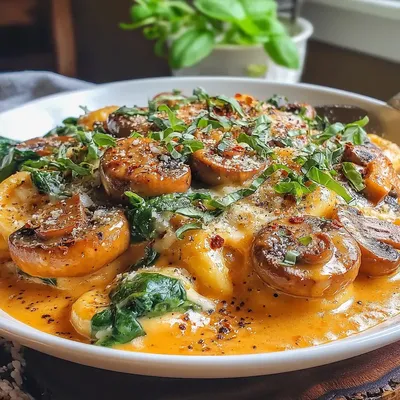 Dinner
Creamy Parmesan Mushroom Spinach Skillet: A Comforting Delight
Delicious Creamy Parmesan Mushroom Spinach Skillet: A Comforting Delight
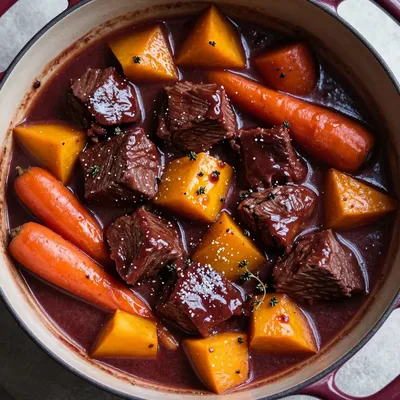 Dinner
budgetfriendly slow cooker beef and winter squash stew for january meals
Learn how to make delicious budgetfriendly slow cooker beef and winter squash stew for january meals.…
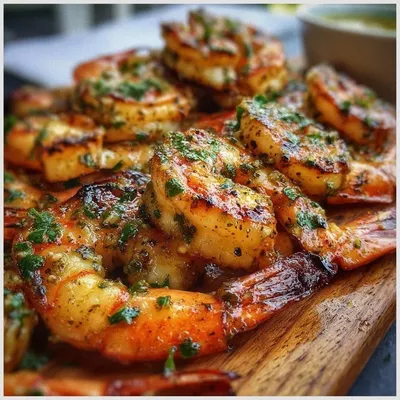 Dinner
Grilled Shrimp Marinade: Flavorful Recipes & Tips
Learn how to make delicious Grilled Shrimp Marinade: Flavorful Recipes & Tips. Easy recipe with step-by-step…
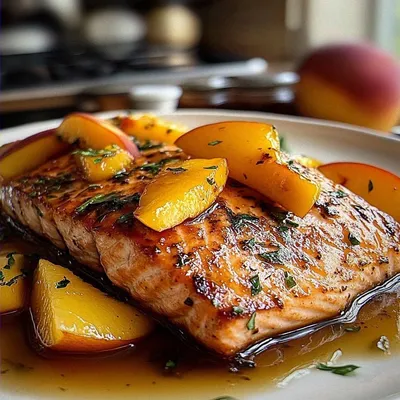 Dinner
Irresistible Bourbon Peach Salmon Recipe to Savor Now
Learn how to make delicious Irresistible Bourbon Peach Salmon Recipe to Savor Now. Easy recipe with…