Creamy Baked Mashed Potatoes
 Save
Save
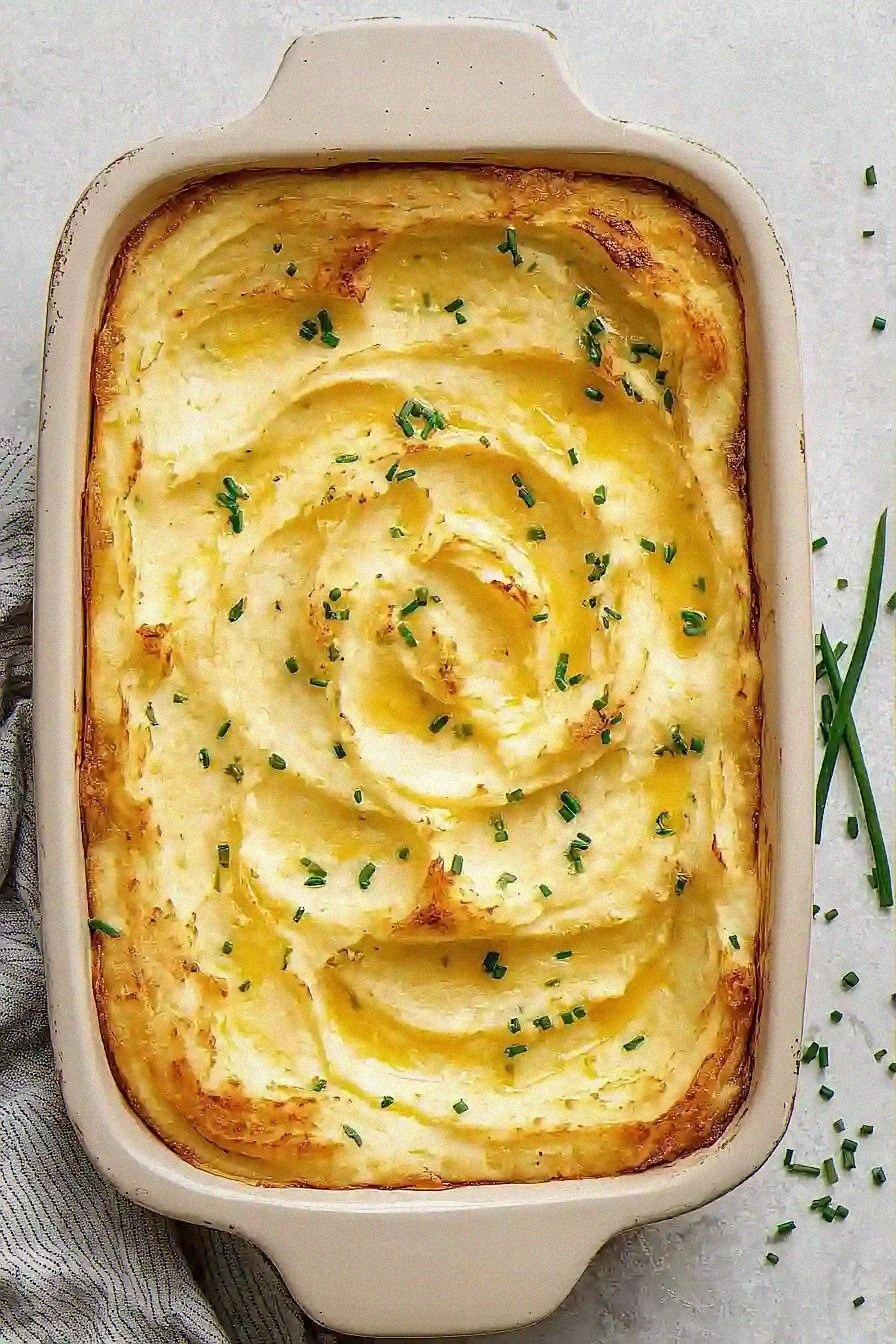
It was a crisp, early‑autumn afternoon when I first discovered the magic of a truly creamy baked mashed potato. The kitchen smelled of butter and fresh herbs, the kind of aroma that makes you pause mid‑chore and just inhale, letting the steam curl around your nose like a warm hug. I remember pulling a tray from the oven, the top shimmering with a golden crust, and the interior whispering promises of buttery clouds and velvety smoothness. That first bite was a revelation – the potatoes were fluffy yet dense, the cheese melted into a silk‑like river, and the subtle crunch of browned butter on top added an unforgettable texture. Have you ever wondered why the simplest side dishes can become the star of the table? That’s the secret I’m about to share.
What makes this recipe stand out isn’t just the ingredients, but the method that turns humble russet potatoes into a dish that feels restaurant‑worthy. By combining the richness of cream cheese with the depth of half‑and‑half, then finishing it in the oven, you get a mash that’s both airy and decadently creamy. The butter, both melted and cold, creates layers of flavor that melt into the potatoes while also forming a crisp, buttery top that crackles when you cut into it. Imagine the sound of that crust giving way to a soft, buttery interior – it’s a symphony of textures that will have everyone reaching for seconds. But wait, there’s a secret trick in step four that will take this from great to unforgettable…
If you’ve ever served mashed potatoes that turned out watery, grainy, or just “okay,” you’ll understand why this version is a game‑changer. The key is in the balance of dairy, the precise cooking time, and a few little hacks that I’ve gathered from years of family gatherings and countless trial‑and‑error sessions. I’ve watched my grandchildren’s eyes widen as they dip a fork into the fluffy mountain of mash, and I’ve heard my partner whisper, “What’s your secret?” The answer lies in the careful layering of flavors and the patience you give the potatoes to bake to perfection. Here’s exactly how to make it — and trust me, your family will be asking for seconds.
🌟 Why This Recipe Works
- Flavor Depth: The combination of melted butter, cream cheese, and half‑and‑half creates a rich, layered taste that’s both savory and slightly sweet, mimicking the depth you get from slow‑cooked comfort foods.
- Texture Harmony: By mashing the potatoes while they’re still hot and then baking them, you achieve a silky interior with a lightly crisped top, giving you the best of both worlds.
- Ease of Execution: Despite sounding elaborate, the steps are straightforward and can be completed in under an hour, making it perfect for busy weeknights or special occasions.
- Time Efficiency: The boiling and mashing stages happen concurrently with the oven preheating, so you’re not waiting around – every minute is used wisely.
- Versatility: This base can be dressed up with herbs, cheeses, or even roasted garlic, allowing you to customize it to match any main course from steak to roasted chicken.
- Nutrition Balance: While indulgent, the recipe still provides a good source of potassium from the potatoes and calcium from the dairy, making it a comforting yet somewhat balanced side.
- Crowd‑Pleaser Factor: The golden crust and creamy interior are universally appealing, ensuring even picky eaters will dive in without hesitation.
- Ingredient Quality: Using russet potatoes and real butter guarantees a fluffy mash, while cream cheese adds a subtle tang that elevates the overall flavor profile.
🥗 Ingredients Breakdown
The Foundation: Potatoes & Butter
The star of this dish is the russet potato, prized for its high starch content and fluffy interior when cooked. Choose potatoes that feel heavy for their size, with smooth skins free of green spots – those are the freshest. I always recommend peeling them; the skins can add a rustic texture, but for this ultra‑creamy version, a smooth surface lets the butter and cream cheese fully envelop each bite. The butter is split into two parts: melted butter for the mash itself, and cold butter dots that melt during baking, creating that coveted golden crust. If you’re looking for a richer flavor, opt for European‑style butter, which has a higher butterfat percentage.
Aromatics & Seasonings
A modest ½ teaspoon of salt might seem minimal, but it’s the catalyst that awakens the natural sweetness of the potatoes. I like to season the water in which the potatoes boil with a pinch of salt; this ensures the potatoes are seasoned from the inside out. Freshly cracked black pepper adds a subtle heat that balances the richness of the dairy. If you’re feeling adventurous, a pinch of smoked paprika or a dash of nutmeg can add an extra layer of complexity without overwhelming the dish.
The Secret Weapons: Cream Cheese & Half‑and‑Half
Cream cheese is the unsung hero that turns ordinary mash into a velvety dream. Its slight tang cuts through the buttery richness, while its high fat content contributes to that melt‑in‑your‑mouth mouthfeel. Be sure to cube and soften the cream cheese before adding it – this prevents clumps and ensures a uniform blend. Half‑and‑half adds a silky liquid component that loosens the mash without making it watery; it also brings a delicate dairy flavor that complements the cheese perfectly. If you can’t find half‑and‑half, a mix of whole milk and heavy cream (3:1) works just as well.
Finishing Touches: Chives & Cold Butter
A sprinkle of fresh chopped chives adds a pop of color and a mild oniony bite that brightens the richness of the dish. If you’re not a fan of chives, scallions, parsley, or even a dusting of grated Parmesan can serve as delightful alternatives. The cold butter pieces placed on top before baking melt slowly, creating pockets of caramelized butter that turn golden and crispy – a textural contrast that’s pure bliss. Remember, the butter should be cold; this ensures it stays in solid chunks long enough to create those buttery pockets during the bake.
With your ingredients prepped and ready, let's get cooking. Here's where the fun really begins…
🍳 Step-by-Step Instructions
🔐 Expert Tips for Perfect Results
The Taste Test Trick
Before you slide the dish into the oven, scoop a tiny spoonful of the mash and taste it. This is your chance to adjust seasoning – a pinch more salt, a dash of pepper, or a drizzle of extra melted butter can make all the difference. Trust your palate; if it feels balanced now, it will stay balanced after baking. I always find that a final sprinkle of flaky sea salt just before serving adds a delightful crunch and a burst of flavor that lifts the entire dish.
Why Resting Time Matters More Than You Think
Allowing the baked potatoes to rest for five minutes after they come out of the oven is crucial. During this short pause, the steam redistributes, and the butter pockets solidify just enough to hold their shape. Skipping this step often results in a runny top that slides off the plate. I once served the mash straight from the oven and watched the buttery sauce pool on the serving platter – not the presentation I was aiming for! So set a timer for a brief rest; it’s a small step with a big payoff.
The Seasoning Secret Pros Won’t Tell You
Professional chefs often add a splash of white wine or a teaspoon of Dijon mustard to their mashed potatoes for a subtle acidity that brightens the richness. You don’t have to go that far, but a teaspoon of apple cider vinegar or a dash of lemon juice can cut through the creaminess and keep the flavors from feeling heavy. I experimented with a splash of dry sherry once, and the result was a nuanced depth that made the dish feel more sophisticated.
Butter Placement Mastery
Instead of scattering cold butter randomly, try arranging the pieces in a decorative pattern – think of a starburst or concentric circles. As the butter melts, it creates beautiful streaks of gold that enhance both visual appeal and flavor distribution. This little artistic touch makes the dish feel restaurant‑grade without extra effort. Trust me on this one: your guests will comment on the “gourmet look” before they even taste it.
The Power of Cold Butter
Using cold butter pieces on top of the mash creates pockets of caramelized butter that you simply can’t achieve with melted butter alone. The solid butter melts slowly, allowing the water content to evaporate and the milk solids to brown, resulting in those coveted golden flecks. If you accidentally use softened butter, you’ll miss that textural contrast. Keep the butter straight from the fridge until you’re ready to place it on the mash – it’s a tiny detail that makes a massive impact.
Choosing the Right Potato
Russet potatoes are the gold standard for fluffy mash because of their high starch content. However, if you prefer a slightly creamier texture, you can blend half russet with half Yukon Gold. The Yukon Gold adds a buttery flavor and a hint of gold color, while the russet ensures the mash stays light. I love experimenting with this blend during the holidays, and the result is a mash that’s both silky and subtly sweet.
🌈 Delicious Variations to Try
One of my favorite things about this recipe is how versatile it is. Here are some twists I’ve tried and loved:
Garlic‑Infused Bliss
Roast a whole head of garlic alongside the potatoes, then squeeze the soft, caramelized cloves into the mash before adding the cream cheese. The garlic adds a sweet, mellow depth that pairs beautifully with the buttery crust.
Cheddar‑And‑Bacon Bomb
Stir in 1 cup of shredded sharp cheddar and ½ cup of crisp bacon bits after mashing. The cheddar melts into gooey ribbons, while the bacon contributes a smoky crunch that elevates the dish to a comfort‑food masterpiece.
Herbaceous Green
Blend in a handful of fresh spinach or kale leaves (pre‑blanched) and a tablespoon of chopped fresh rosemary. The greens add a pop of color and a subtle earthiness that balances the richness.
Spicy Chipotle Kick
Mix in 1‑2 teaspoons of chipotle in adobo sauce, finely chopped, for a smoky heat that cuts through the creaminess. Top with a drizzle of sour cream and a sprinkle of cilantro for a Mexican‑inspired side.
Truffle‑Infused Luxury
Add a drizzle of truffle oil (about 1 teaspoon) just before serving, and garnish with shaved Parmesan. The earthy aroma of truffle turns this humble mash into an elegant accompaniment for steak or mushroom dishes.
📦 Storage & Reheating Tips
Refrigerator Storage
Allow the baked potatoes to cool completely, then cover the dish tightly with foil or transfer leftovers to an airtight container. They’ll keep fresh in the refrigerator for up to 3 days. When reheating, add a splash of half‑and‑half or milk to restore moisture, then bake at 350°F (175°C) for 15‑20 minutes, uncovered, until the top regains its golden crispness.
Freezing Instructions
Portion the mash into freezer‑safe containers, leaving a small space at the top for expansion. Freeze for up to 2 months. To reheat, thaw overnight in the refrigerator, then bake at 375°F (190°C) for 25‑30 minutes, covered with foil for the first half to prevent drying, and uncover for the final 5 minutes to re‑crisp the top.
Reheating Methods
If you’re short on time, the microwave works in a pinch: place a serving on a microwave‑safe plate, cover loosely with a damp paper towel, and heat on high for 1‑2 minutes, stirring halfway through. For the best texture, however, I recommend the oven method – it revives the buttery crust and keeps the interior luxuriously creamy. The trick to reheating without drying it out? A splash of half‑and‑half or a few pats of butter, stirred in just before the final minutes of baking.
❓ Frequently Asked Questions
Can I use Yukon Gold potatoes instead of russet?
Do I need to use cream cheese, or can I substitute it?
What’s the best way to avoid a watery mash?
Can I add cheese on top before baking?
How do I make this recipe gluten‑free?
Can I prepare the mash ahead of time and bake it later?
What if I don’t have half‑and‑half?
Is it okay to use salted butter for both melted and cold butter?
Now, the moment of truth: sprinkle the chopped chives evenly across the surface. The fresh herb adds a pop of color and a gentle oniony lift that cuts through the richness. If you’d like, a light dusting of flaky sea salt can add a final burst of flavor, but be careful not to over‑salt – the mash already carries a balanced seasoning. Serve the potatoes straight from the dish, or transfer portions to a serving bowl for a more formal presentation.
Go ahead, take a taste — you’ll know exactly when it’s right. The first bite should reveal a silky interior that melts on the tongue, followed by the satisfying crunch of the caramelized butter. If the texture feels a bit thick, a splash of extra half‑and‑half can loosen it without losing creaminess. Conversely, if you crave a richer mouthfeel, fold in a tablespoon of additional melted butter right before serving.
And there you have it! Your creamy baked mashed potatoes are ready to become the centerpiece of any meal. Whether you’re pairing them with a juicy roast, a simple grilled salmon, or serving them solo as a comforting comfort food, they’ll undoubtedly steal the spotlight. But before you dig in, let me share some tips that will take this from great to absolutely unforgettable…