Decadent Strawberry Swirl Cheesecake for Unforgettable Occasions
 Save
Save
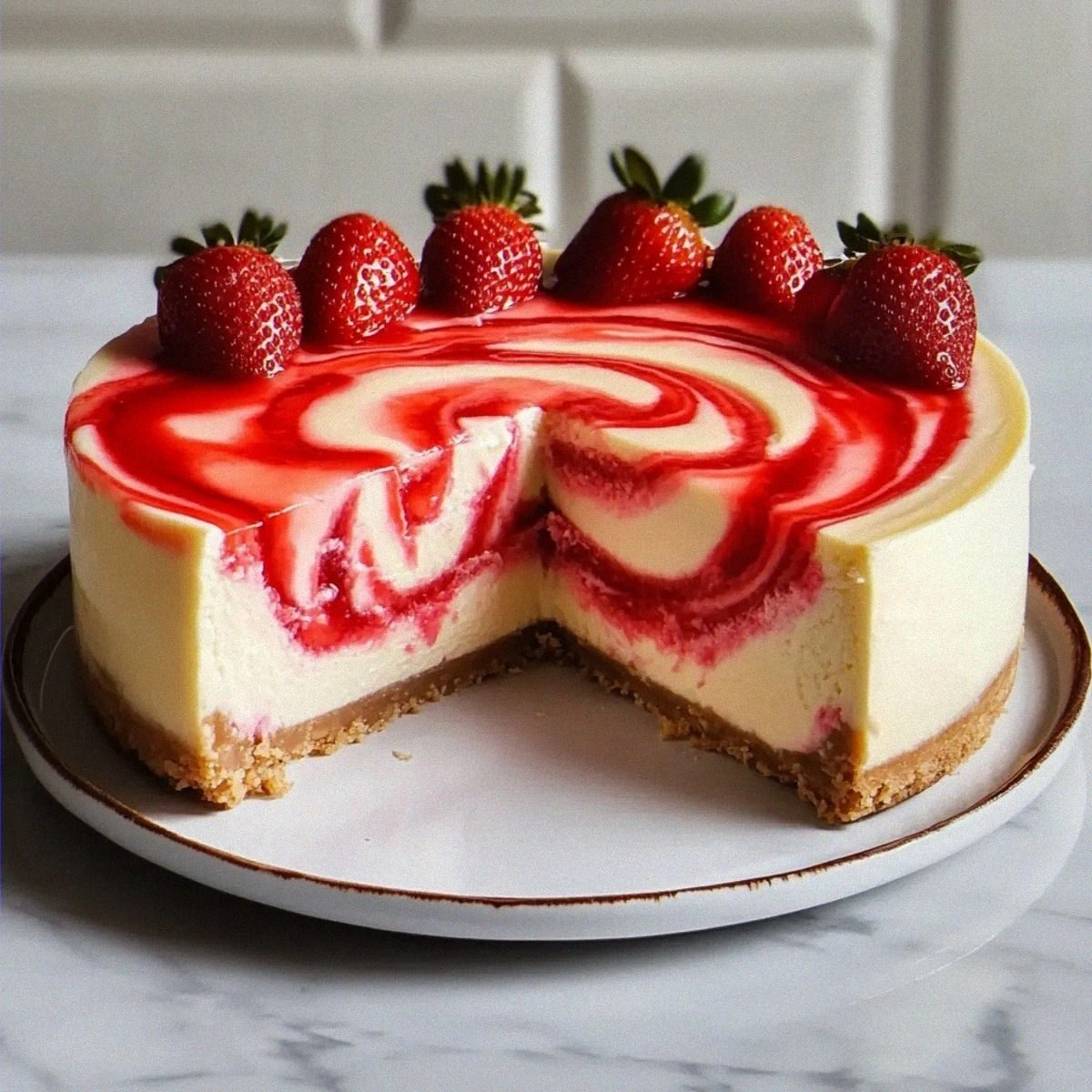
The first time I tried to make a strawberry swirl cheesecake, the kitchen smelled like a summer garden after a rainstorm—soft, buttery crumbs mingling with the sweet perfume of fresh berries and a whisper of vanilla. I was standing on a tiny wooden stool, watching the batter smooth out like satin, and my niece, perched on the counter, kept asking, “When can we eat it?” The answer, of course, was a patient wait, but the anticipation was half the magic. That moment taught me that a dessert isn’t just food; it’s a story you write with flavors, textures, and the quiet hum of the oven. Imagine the moment you lift the lid and a cloud of fragrant steam hits you, carrying hints of cream cheese tang, a buttery crust, and the bright pop of strawberry—this is the kind of sensory crescendo that turns a simple gathering into an unforgettable celebration.
What makes this cheesecake stand out isn’t just the swirl of ruby‑red strawberries; it’s the harmony of every component working together like a well‑rehearsed orchestra. The crust, crisp yet tender, provides a buttery foundation that holds the creamy filling in perfect balance. The filling itself is a silky, tangy canvas that embraces the sweet fruit without being overwhelmed. And the swirl? It’s a visual masterpiece that adds a burst of fresh flavor in every bite, making each forkful feel like you’re tasting a piece of art. Have you ever wondered why restaurant versions taste so different? The secret often lies in the quality of the ingredients and a few pro tricks that home cooks overlook.
But wait—there’s more to this recipe than just a pretty presentation. I’ve spent countless evenings perfecting the technique, from tempering the eggs so the texture stays luxuriously smooth, to mastering the gentle swirl that creates those gorgeous marbled ribbons. In the next sections, I’ll reveal the science behind each step, the little hacks that keep the cheesecake from cracking, and the ways you can personalize it for any occasion. The best part? This dessert is surprisingly forgiving, so even if you’re a beginner, you’ll end up with a show‑stopping centerpiece that looks and tastes like it came from a five‑star bakery. Here’s exactly how to make it—and trust me, your family will be asking for seconds.
🌟 Why This Recipe Works
- Flavor Depth: The combination of cream cheese, sour cream, and a touch of vanilla creates a layered tanginess that balances the natural sweetness of strawberries, resulting in a complex palate that keeps you reaching for another slice.
- Texture Harmony: A buttery graham cracker crust offers a satisfying crunch, while the filling stays creamy and velvety, and the fresh strawberry swirl adds a juicy pop that prevents the dessert from feeling heavy.
- Ease of Execution: Despite its elegant appearance, the method relies on straightforward mixing, a simple bake‑in‑water‑bath, and a gentle swirl—techniques that any home cook can master with a little patience.
- Time Efficiency: With a prep time of just 20 minutes and a bake time under an hour, the majority of the waiting happens while the cheesecake cools, giving you plenty of time to set the table or enjoy a glass of wine.
- Versatility: This cheesecake shines at birthdays, anniversaries, brunches, or even a casual family dinner. The strawberry swirl can be swapped for other fruits, making it a flexible base for countless variations.
- Nutrition Balance: While indulgent, the recipe includes sour cream for a probiotic boost and fresh strawberries for antioxidants, offering a dessert that feels a little less guilty.
- Ingredient Quality: Using high‑quality cream cheese and fresh, ripe strawberries ensures a rich flavor profile that store‑bought mixes simply can’t replicate.
- Crowd‑Pleasing Factor: The vibrant pink swirl catches the eye, while the smooth, creamy bite satisfies both kids and adults, making it a guaranteed hit at any gathering.
🥗 Ingredients Breakdown
The Foundation: Crust & Base
The crust is built from 1.5 cups of graham cracker crumbs and half a cup of unsalted butter, melted and blended until the mixture resembles wet sand. This ratio is crucial; too much butter and the crust becomes soggy, too little and it won’t hold together. I always toast the crumbs lightly before mixing—just a minute in a hot pan—to bring out a nutty aroma that adds depth. If you’re gluten‑free, you can swap the graham crackers for a blend of almond flour and gluten‑free oat flour, keeping the same butter ratio for consistency.
The Creamy Core: Filling Essentials
The heart of the cheesecake is 16 oz of cream cheese, softened, combined with 1 cup of sour cream, 1 cup of granulated sugar, and 2 teaspoons of vanilla extract. The sour cream adds a subtle tang that cuts through the sweetness, while the vanilla provides a fragrant backdrop that elevates the berries. Three large eggs act as the binding agent, giving the filling its structure without making it too dense. For a richer mouthfeel, you can replace half of the cream cheese with mascarpone, but keep the total weight the same.
The Secret Weapons: Strawberry Swirl
Two cups of fresh strawberries, hulled and sliced, are tossed with a quarter cup of granulated sugar. The sugar draws out the natural juices, creating a glossy sauce that swirls through the batter. I like to let the strawberries macerate for at least 15 minutes; this not only intensifies the flavor but also prevents the berries from turning the surrounding cheesecake mushy. If you’re out of fresh strawberries, frozen ones work fine—just thaw and drain them well before mixing.
Finishing Touches & Optional Enhancements
A pinch of sea salt can be added to the crust to enhance the buttery flavor, while a splash of lemon zest in the filling brightens the overall taste profile. For those who love a little crunch, a handful of toasted almond slivers sprinkled on top before baking adds a delightful contrast. And if you want a glossy finish after baking, brush the top lightly with a glaze made from powdered sugar and a few drops of milk.
With your ingredients prepped and ready, let's get cooking. Here’s where the fun really begins—mixing, swirling, and baking your way to a show‑stopping cheesecake that will become the centerpiece of any celebration.
🍳 Step-by-Step Instructions
Preheat your oven to 325°F (160°C) and place a large roasting pan on the lower rack. Fill the pan with hot water to create a water bath—this gentle, moist heat prevents the cheesecake from cracking and keeps the texture uniformly creamy. While the water heats, lightly grease a 9‑inch springform pan with butter or non‑stick spray. The anticipation builds as the kitchen fills with a low hum of the oven, a sound that signals transformation is about to happen.
Combine the graham cracker crumbs and melted butter in a medium bowl, stirring until the mixture looks like wet sand. Press the crumb mixture firmly into the bottom of the prepared springform pan, using the back of a measuring cup to create an even layer. This is the moment where the crust gets its first taste of buttery goodness—listen to the faint sigh as the crumbs settle into place.
In a large mixing bowl, beat the softened cream cheese on medium speed until smooth and free of lumps—about 2 minutes. Gradually add the sour cream, granulated sugar, and vanilla extract, continuing to beat until the mixture is light and airy. This step is crucial; the more air you incorporate, the lighter the final texture will be. Pro Tip: Scrape down the sides of the bowl frequently to ensure an even blend.
Add the three large eggs, one at a time, beating just until incorporated after each addition. Over‑mixing at this stage can introduce excess air, leading to a cracked top. Once the eggs are fully blended, gently fold in the macerated strawberries and their juices, reserving a few spoonfuls for the final swirl. The mixture should now have a pink hue streaked with deeper ruby pockets—visual proof that the flavor is already beginning to meld.
Pour the batter onto the prepared crust, smoothing the top with a spatula. Take a thin knife or a skewer, dip it into the reserved strawberry sauce, and drag it through the batter in a gentle figure‑eight pattern. This creates the signature swirl that not only looks stunning but also distributes the fruit flavor throughout the cheesecake. Here's the thing: the more deliberate your swirl, the more pronounced the marbled effect will be.
Place the springform pan inside a larger roasting pan, then carefully pour hot water into the outer pan until it reaches halfway up the sides of the springform. This bain‑marie technique ensures even cooking and a smooth, crack‑free surface. Slide the whole assembly onto the middle rack of the oven and bake for 45‑55 minutes, or until the edges are set and the center still has a slight wobble when gently shaken. The aroma that fills the kitchen at this point—creamy, buttery, with a hint of strawberry—signals that you’re on the right track.
Once baked, turn off the oven, crack the door open a few inches, and let the cheesecake sit for 1 hour. This gradual cooling prevents sudden temperature changes that can cause the surface to split. After the hour, remove the cheesecake from the water bath, run a thin knife around the edge to release it from the pan, and let it cool completely on a wire rack.
Refrigerate the fully cooled cheesecake for at least 4 hours, preferably overnight. The chilling time allows the flavors to meld, the texture to firm up, and the swirl to set in beautiful, distinct ribbons. When you’re ready to serve, run a hot, damp towel around the base of the springform pan for a few seconds, then carefully remove the sides. The result? A glossy, pink‑marbled masterpiece that glistens under the light.
Before plating, garnish with a handful of fresh strawberry slices, a drizzle of the reserved strawberry sauce, and a dusting of powdered sugar if you like a festive touch. Go ahead, take a taste—you’ll know exactly when it’s right: the flavor is bright, the texture is silk‑smooth, and the crust offers a buttery snap that grounds the whole experience. And that’s not all—there are a few finishing tricks that will elevate this dessert from great to unforgettable, which I’ll share in the next section.
🔐 Expert Tips for Perfect Results
The Taste Test Trick
Before you pour the batter into the crust, spoon a tiny amount onto a chilled plate and taste it. This quick test lets you adjust the sweetness or add a pinch more vanilla if needed. I once missed this step and ended up with a cheesecake that was slightly too sweet for my guests, so now I always double‑check. Trust me on this one: a small taste early on saves a lot of regret later.
Why Resting Time Matters More Than You Think
The cooling period isn’t just about firming up the texture; it also allows the flavors to marry. During the overnight chill, the strawberry juices continue to infuse the cream cheese, creating a deeper, more harmonious taste. I’ve seen cheesecakes that were good right after cooling but became extraordinary after a full night in the fridge. The result? A dessert that feels like it’s been crafted by a professional pastry chef.
The Seasoning Secret Pros Won’t Tell You
A pinch of fine sea salt sprinkled into the filling can dramatically enhance the sweetness of the strawberries, balancing the overall flavor profile. It’s a subtle trick that most home cooks overlook, yet it makes the difference between “good” and “wow‑factor.” When I first added this tiny pinch, my friends remarked that the cheesecake tasted “like it had a secret ingredient.” That’s the power of seasoning.
The Water‑Bath Mastery
Creating a perfect bain‑marie is easier than you think. Use a sturdy roasting pan that can hold at least 2 inches of water without spilling over the edges of the springform pan. The water should be hot, not boiling, when you pour it in; this ensures a gentle, consistent heat. If you’re short on pan space, a foil‑wrapped baking sheet can serve as a makeshift water bath. Here’s where the magic happens: the water bath keeps the cheesecake’s surface smooth and prevents cracks.
The Cool‑Down Hack
After the oven is turned off, leave the cheesecake inside with the door ajar for an extra 30 minutes. This slow transition from hot to room temperature is the secret to a flawless, crack‑free top. I once rushed this step and ended up with a slightly fissured surface, which was disappointing because the flavor was still amazing. The best part? This extra half‑hour is a perfect time to prep your plating and garnish.
🌈 Delicious Variations to Try
One of my favorite things about this recipe is how versatile it is. Here are some twists I've tried and loved:
Berry‑Blend Bliss
Swap half of the strawberries for raspberries or blueberries. The mixed berries create a richer color palette and add a tangy depth that pairs beautifully with the creamy filling. The result is a more complex flavor that feels like a summer fruit medley.
Chocolate‑Swirl Delight
Add 2 tablespoons of melted dark chocolate to the strawberry sauce before swirling. The chocolate ribbons intertwine with the fruit, offering a bittersweet contrast that elevates the dessert to a more sophisticated level. This variation is perfect for a romantic dinner.
Lemon‑Berry Fusion
Incorporate the zest of one lemon into the cream cheese mixture and replace half of the strawberry sugar with honey. The citrus zest brightens the overall flavor, while honey adds a floral sweetness that complements the berries. This version feels fresh and light, ideal for spring gatherings.
Nutty Crunch Upgrade
Fold in a quarter cup of toasted chopped pistachios or almonds into the crust before pressing it down. The nutty crunch adds texture contrast and a subtle earthy note that balances the sweet swirl. I love sprinkling a few extra nuts on top before baking for an extra visual pop.
Matcha‑Strawberry Fusion
Add 1 teaspoon of high‑quality matcha powder to the cream cheese filling for a subtle green tea flavor. The earthy matcha pairs surprisingly well with the bright strawberry, creating an elegant, slightly exotic dessert. This variation is a hit at tea parties and brunches.
Alcohol‑Infused Elegance
Stir a tablespoon of strawberry liqueur or a splash of champagne into the strawberry sauce before swirling. The alcohol adds a sophisticated depth and a hint of effervescence that makes the cheesecake feel celebratory. Just be mindful not to add too much liquid, or the swirl may become too runny.
📦 Storage & Reheating Tips
Refrigerator Storage
Cover the cheesecake loosely with plastic wrap or store it in an airtight container and keep it in the refrigerator for up to 5 days. The crumbly crust stays crisp for the first 2 days, after which it may soften slightly—just bring it to room temperature for 15 minutes before serving to restore some bite.
Freezing Instructions
For longer storage, wrap the entire cheesecake (springform pan included) in a double layer of heavy‑duty aluminum foil, then place it in a freezer‑safe bag. It will keep for up to 2 months. When you’re ready to enjoy it, thaw it in the refrigerator overnight; the texture remains creamy, and the strawberry swirl retains its vivid color.
Reheating Methods
If you prefer a warm slice, gently warm individual portions in the microwave for 15‑20 seconds, or place a slice on a plate and cover with foil, then warm in a 300°F (150°C) oven for 5‑7 minutes. The trick to reheating without drying it out? A splash of milk or a dollop of whipped cream placed on top before heating adds moisture and a luxurious finish.
❓ Frequently Asked Questions
Can I make this cheesecake without a water bath?
Do I need to use fresh strawberries, or can I use frozen?
Why does the center of my cheesecake still wobble after the recommended baking time?
Can I substitute the graham crackers with another type of cookie?
How long can I keep the cheesecake after it’s been sliced?
Is it safe to use a glass springform pan?
Can I add a topping like whipped cream or caramel?
Why does my crust sometimes become soggy?


Other Reader Favorites
 Desserts
Decadent Date Brownies: A Healthier Dessert Option
Delicious Decadent Date Brownies: A Healthier Dessert Option
 Breakfast
Heavenly Cinnamon Streusel Coffee Cake
Delicious Heavenly Cinnamon Streusel Coffee Cake
 Dinner
Tropical Bliss Creamy Coconut Lentil Soup
Delicious Tropical Bliss Creamy Coconut Lentil Soup
 Appetizers
Cranberry Brie Bombs Recipe for the Holidays
Learn how to make delicious Cranberry Brie Bombs Recipe for the Holidays. Easy recipe with step-by-step…