Delicious French Macarons Recipe
 Save
Save
It was a crisp spring afternoon when I first attempted to coax the perfect French macaron out of my modest kitchen. The sunlight was spilling through the lace curtains, and the scent of fresh lemons from the garden drifted in, mingling with the faint perfume of vanilla that I kept on my countertop. I remember the moment I lifted the lid off the oven, a gentle puff of warm, nutty aroma rose like a whisper, promising something delicate yet bold. That tiny cloud of fragrance was the first hint that these petite almond‑kissed cookies were about to become the star of my family gatherings.
What makes this macaron recipe stand out is the balance between precision and heart. While the science of meringue and almond flour is undeniable, the soul of the dish lies in the patience you pour into each step, the way you watch the batter transform, and the joy of sharing that first bite with loved ones. Imagine the crackle of the crisp shell giving way to a silky, buttery filling that melts on your tongue – it’s an experience that feels both luxurious and comforting at the same time. This is not just a dessert; it’s a celebration of texture, flavor, and the simple pleasure of creating something beautiful from scratch.
You might be wondering why your macarons sometimes turn out flat, cracked, or just plain stubborn. The truth is, there’s a secret that many home bakers overlook – a tiny tweak in the way you fold the batter can change everything. But wait until you see the secret trick in step 4, where the batter reaches that perfect “lava flow” consistency – it’s a game‑changer that even seasoned bakers swear by. And there’s one ingredient most people skip — and it makes all the difference – a pinch of cream of tartar that stabilizes the meringue and gives the shells that signature smooth shine.
Here’s exactly how to make it — and trust me, your family will be asking for seconds, thirds, and maybe even a whole batch for themselves. The journey from raw batter to a tray of glossy, pastel‑colored macarons is filled with tiny triumphs, each one worth savoring. So roll up your sleeves, preheat that oven, and let’s dive into the world of French patisserie together. The best part? You’ll finish this article armed with the confidence to impress anyone, from picky teenagers to discerning foodies.
🌟 Why This Recipe Works
- Flavor Depth: By using finely sifted almond flour and confectioners’ sugar, the shells achieve a subtle, nutty sweetness that pairs perfectly with any filling, creating a layered taste experience that lingers.
- Texture Perfection: The combination of a crisp outer shell and a chewy interior, known as the “feet,” comes from mastering the macaronage technique and precise oven temperature, delivering that signature snap and softness.
- Ease of Execution: While macarons have a reputation for being finicky, this recipe breaks down each step into clear, manageable parts, making it approachable even for beginners who are willing to follow the cues.
- Time Efficiency: With a total hands‑on time of about 15 minutes and a bake time of just 15 minutes, you can fit this elegant treat into a weekend brunch or an after‑dinner coffee without feeling rushed.
- Versatility: The base shells are neutral enough to be paired with endless fillings – from classic vanilla buttercream to exotic matcha ganache – allowing you to tailor the flavor to any season or occasion.
- Nutrition Balance: While indulgent, the recipe relies on almond flour for healthy fats and protein, and uses a modest amount of butter in the filling, offering a more balanced treat compared to heavy cakes.
- Ingredient Quality: The focus on premium almond flour, fresh egg whites, and real vanilla extract ensures that every bite bursts with authentic flavor rather than artificial aftertaste.
- Crowd‑Pleasing Factor: Their delicate appearance and vibrant colors make macarons an instant conversation starter at parties, and the smooth, creamy filling satisfies both sweet‑tooth cravings and aesthetic desires.
🥗 Ingredients Breakdown
The Foundation: Almond & Sugar Harmony
Almond flour is the heart of any authentic French macaron. Its fine, buttery texture provides the delicate crunch we love, while also contributing a subtle, natural sweetness that pairs beautifully with any filling. I always recommend using a blanched almond flour that’s been ground twice for the smoothest result – you’ll notice the difference the moment you taste the shell. If you’re allergic to nuts, you can experiment with hazelnut flour, but keep in mind that the flavor profile will shift toward a richer, earthier note.
Powdered sugar, also known as confectioners’ sugar, works hand‑in‑hand with the almond flour to create a light, airy structure. Its fine crystals dissolve quickly, preventing any gritty texture in the final product. When I first tried using regular granulated sugar, the shells turned out dense and heavy, a clear reminder that the right sugar is essential for that signature lift.
Aromatics & Stabilizers: The Meringue Magic
Egg whites are the unsung heroes that give macarons their lofty rise. Fresh, room‑temperature whites whip up into a glossy meringue that holds air bubbles like tiny balloons, ready to expand in the heat of the oven. I age my egg whites for about 24 hours in the refrigerator; this dries them out slightly, making them easier to whip to stiff peaks and resulting in a more stable meringue.
Granulated sugar is added gradually to the egg whites, providing structure and sweetness while also stabilizing the foam. Cream of tartar, a small pinch, acts as a secret weapon – it prevents the meringue from weeping and ensures the shells stay crisp. A pinch of salt, though often overlooked, amplifies the flavors and balances the sweetness, creating a more rounded taste.
The Secret Weapons: Color & Flavor Boosters
Food coloring is purely aesthetic, but it can also affect the batter’s consistency if over‑used. I recommend gel colors because they’re more concentrated, meaning you need less to achieve a vivid hue, preserving the delicate balance of the batter. A dash of vanilla extract adds a warm, comforting aroma that ties the almond and butter flavors together in the filling.
For the filling, unsalted butter provides a rich, creamy base that carries the powdered sugar’s sweetness without becoming greasy. Adding a splash of heavy cream makes the buttercream smoother and easier to pipe, while also preventing it from becoming too stiff when chilled.
Finishing Touches: The Buttercream Dream
The buttercream filling is where you can truly personalize your macarons. I keep it simple with vanilla, but you can swirl in fruit purées, melted chocolate, or even a hint of espresso for a sophisticated twist. The key is to beat the butter until it’s light and airy before gradually incorporating the powdered sugar – this creates a silky texture that won’t crack when you pipe it onto the shells.
Remember to taste as you go; a little extra vanilla or a pinch of sea salt can elevate the filling from good to unforgettable. And if you ever wonder why some fillings are too runny, it’s usually because the butter was too cold or the sugar wasn’t fully incorporated – a quick fix is to let the mixture sit at room temperature for a few minutes, then give it another quick whisk.
With your ingredients prepped and ready, let's get cooking. Here's where the fun really begins…
🍳 Step-by-Step Instructions
🔐 Expert Tips for Perfect Results
The Taste Test Trick
Before you bake the entire batch, pipe a single test macaron and bake it. This allows you to check the texture of the skin, the development of the foot, and the color intensity. If the test piece looks too pale, add a touch more food coloring; if the foot is missing, increase the oven temperature by 5°C and bake a few seconds longer. Trust me, this tiny experiment saves you from a whole tray of under‑ or over‑baked shells.
Why Resting Time Matters More Than You Think
The 30‑minute rest isn’t just a formality – it’s the secret to that coveted smooth top. During this time, the batter forms a thin skin that prevents cracks and creates a glossy finish. If you live in a humid climate, you may need to extend the resting period; conversely, in a dry environment, 20 minutes might be enough. The key is to gently touch the surface; when it feels dry to the touch, you’re ready to bake.
The Seasoning Secret Pros Won’t Tell You
A pinch of sea salt in the buttercream elevates the sweetness and balances the almond flavor, giving the macaron a sophisticated depth. I once added a dash of smoked sea salt to a chocolate‑filled macaron and the contrast was mind‑blowing – the slight smokiness paired perfectly with the richness of cocoa. Experiment with flavored salts for a modern twist that will wow your guests.
The Perfect Pipe Pressure
When piping, apply steady, even pressure. A sudden surge can cause the batter to spread unevenly, leading to misshapen shells. I like to practice on a piece of parchment first, feeling the rhythm of the squeeze. Once you get the hang of a smooth, continuous flow, the circles will be perfectly uniform, and the shells will bake evenly.
Cooling Before Filling
Never rush the cooling step. If the shells are even slightly warm, the buttercream can melt, making the sandwich messy. Transfer the shells to a wire rack and let them sit for at least 20 minutes. This pause also helps the shells firm up, making them easier to handle without cracking.
Storing for Maximum Freshness
After assembling, store the macarons in an airtight container in the refrigerator for at least 12 hours before serving. This “marriage” period allows the flavors to meld, and the shells become wonderfully chewy inside while staying crisp outside. If you’re planning to serve them at a party, pull the container out of the fridge 30 minutes beforehand to bring them to room temperature – the aroma will become more pronounced, and the texture will be at its peak.
🌈 Delicious Variations to Try
One of my favorite things about this recipe is how versatile it is. Here are some twists I've tried and loved:
Raspberry Rose Delight
Swap the vanilla buttercream for a rose‑infused buttercream and add a swirl of fresh raspberry purée. The floral notes complement the almond shells, while the raspberry adds a bright, tangy contrast that feels like spring in a bite.
Matcha Green Tea Dream
Incorporate a teaspoon of high‑quality matcha powder into the almond flour mixture, giving the shells a subtle earthy green hue. Pair with a white chocolate ganache filling for a balanced sweet‑bitter experience that’s perfect for tea time.
Salted Caramel Crunch
Create a salted caramel buttercream and fold in crushed toasted hazelnuts for added texture. The caramel’s buttery richness combined with the nutty crunch makes each bite an adventure.
Chocolate Espresso Fusion
Add cocoa powder to the almond flour blend and a shot of espresso to the buttercream. The deep chocolate flavor with a coffee kick turns these macarons into an after‑dinner treat that feels indulgent yet sophisticated.
Lemon Basil Whisper
Mix lemon zest into the batter and a hint of finely chopped fresh basil into the buttercream. The citrus brightness paired with the herb’s subtle earthiness creates a refreshing palate cleanser.
Pistachio Rosewater Harmony
Replace half of the almond flour with finely ground pistachios and add a few drops of rosewater to the filling. The nutty pistachio flavor melds beautifully with the floral rosewater, resulting in a truly exotic macaron.
📦 Storage & Reheating Tips
Refrigerator Storage
Place finished macarons in an airtight container, layering parchment paper between layers to prevent sticking. Store them in the refrigerator for up to 5 days. The cool environment keeps the buttercream firm and the shells crisp, preserving that perfect contrast.
Freezing Instructions
If you want to make a big batch ahead of time, freeze the assembled macarons in a single layer on a baking sheet, then transfer them to a zip‑top freezer bag. They’ll keep for up to 2 months. Thaw them in the refrigerator overnight before serving to maintain texture.
Reheating Methods
To enjoy warm, gooey buttercream without drying out the shells, place the macarons on a plate and microwave for 5‑7 seconds, just enough to soften the filling. Alternatively, let them sit at room temperature for 20 minutes – the buttercream will soften naturally, and the shells will regain a slight snap.
❓ Frequently Asked Questions
Why do my macarons develop cracks on the top?
Can I use regular flour instead of almond flour?
How can I achieve a smooth, glossy top on the shells?
Why do my macarons have a “flat” foot?
Can I make macarons ahead of time?
What’s the best way to pipe evenly sized shells?
Do I need to age the egg whites?
Can I freeze the unfilled shells?
Similar Recipes
 Desserts
Zesty Lemon Blueberry Muffin Bites Recipe
Delicious Zesty Lemon Blueberry Muffin Bites Recipe
 Desserts
Delightful Guilt-Free Peanut Butter Eggs: A Decadent Yet Healthy Treat
Delicious Delightful Guilt-Free Peanut Butter Eggs: A Decadent Yet Healthy Treat
 Desserts
Peanut Butter Bliss Oat Cups: A Deliciously Nutritious Snack
Delicious Peanut Butter Bliss Oat Cups: A Deliciously Nutritious Snack
 Desserts
Costco Chocolate Muffins (Copycat Recipe)
Learn how to make delicious Costco Chocolate Muffins (Copycat Recipe). Easy recipe with step-by-step instructions.
 Desserts
Velvety Cream Cheese Clouds Recipe
Delicious Velvety Cream Cheese Clouds Recipe
 Desserts
Creamy Raspberry Dream Bars Recipe
Delicious Creamy Raspberry Dream Bars Recipe
 Desserts
Icy Hibiscus Pineapple Pops Recipe
Delicious Icy Hibiscus Pineapple Pops Recipe
 Desserts
Pumpkin Oatmeal Chocolate Chip Cookies Recipe
Delicious Pumpkin Oatmeal Chocolate Chip Cookies Recipe

Susan
I cook these recipes at home before they ever land here — simple ingredients, clear steps.
Other Reader Favorites
 Dinner
Grilled Portobello Mushroom Burgers: A Flavorful Plant-Based Delight
Delicious Grilled Portobello Mushroom Burgers: A Flavorful Plant-Based Delight
 Dinner
High Protein Power Bowl Ideas: The Ultimate 7 Amazing Recipes
Learn how to make delicious High Protein Power Bowl Ideas: The Ultimate 7 Amazing Recipes. Easy…
 Dinner
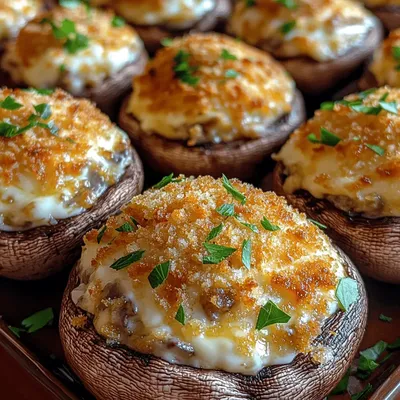
Creamy Dream Stuffed Mushrooms Recipe
Delicious Creamy Dream Stuffed Mushrooms Recipe
 Dinner
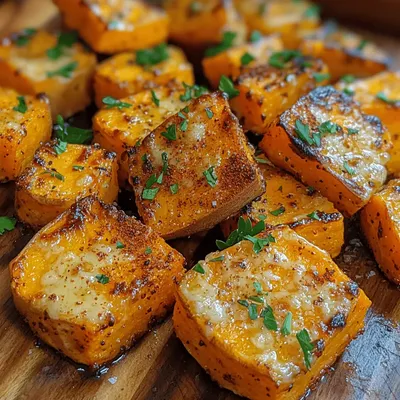
Crunchy Air Fryer Parmesan Sweet Potatoes: A Delightful Recipe for Every Occasion
Delicious Crunchy Air Fryer Parmesan Sweet Potatoes: A Delightful Recipe for Every Occasion