Delicious Thai Basil Beef Rolls for a Flavorful Feast
 Save
Save
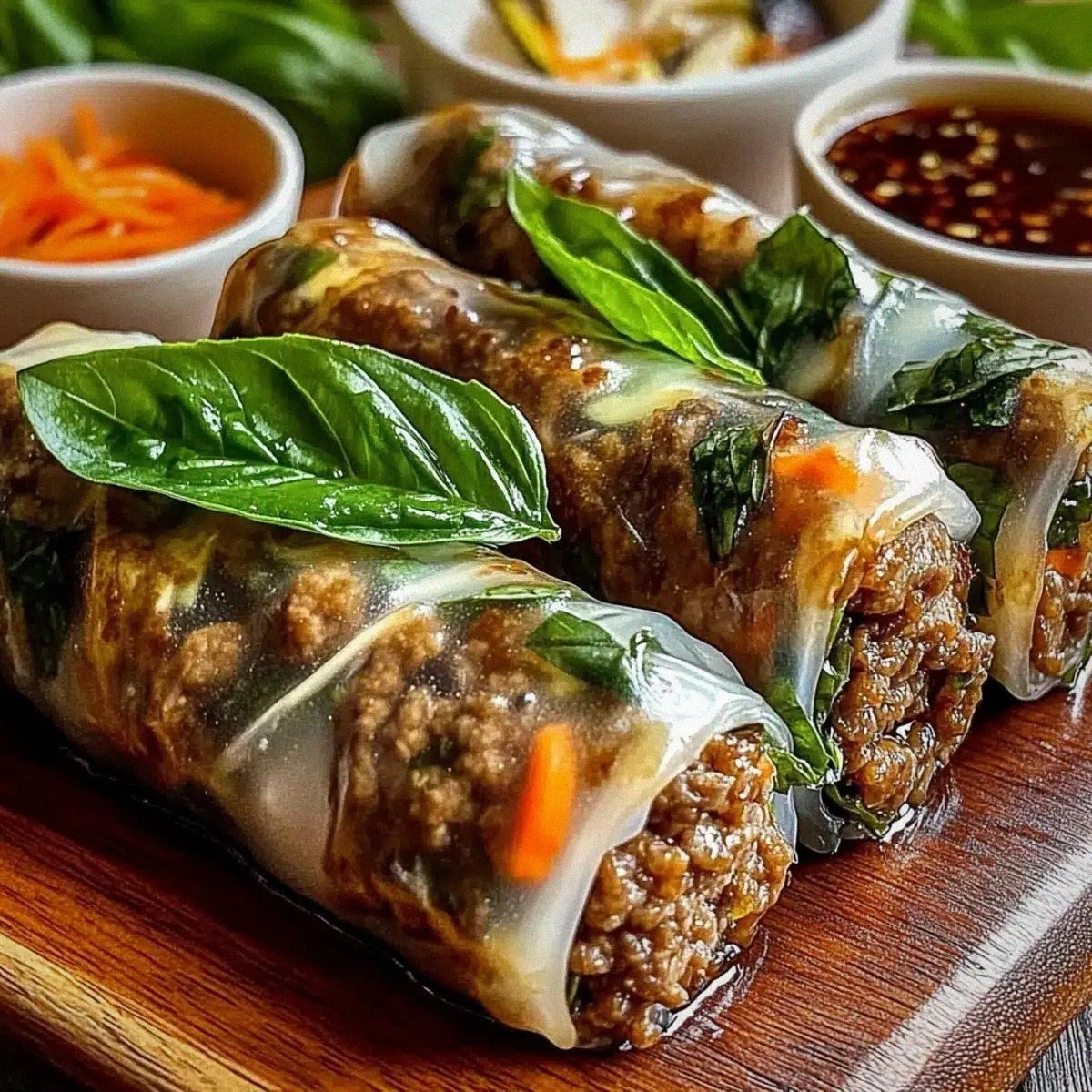
The first time I tried to wrap Thai basil beef into delicate rice paper, I was standing in my tiny kitchen on a humid summer evening, the kind where the air feels like warm honey. I could hear the distant hum of cicadas outside while the skillet sizzled, sending up a plume of fragrant steam that smelled like a bustling Bangkok night market. The moment I lifted the lid, a cloud of aromatic steam hit me, carrying notes of soy, hoisin, and fresh basil that instantly transported me to a street stall in Sukhumvit. I remember the thrill of seeing the bright orange carrots and crisp bell peppers dance in the pan, their colors vivid against the deep brown of the beef, and I knew I was onto something unforgettable.
What makes this dish truly special is the marriage of textures: the tender, juicy ground beef, the crisp bite of fresh vegetables, and the silky, almost translucent rice paper that hugs everything together. Each bite offers a burst of umami from the sauces, a hint of sweetness from the carrots, and that unmistakable peppery pop of basil that makes your taste buds sing. Imagine the satisfying snap as you bite through the roll, followed by the lingering warmth of the spices that seem to whisper stories of distant lands. This isn’t just a recipe; it’s a passport to flavor that you can create right in your own kitchen, no passport required.
But wait—there’s a secret technique that takes these rolls from good to mind‑blowing, and I’m not going to reveal it just yet. Have you ever wondered why restaurant versions of Thai basil rolls taste so much richer and more layered? The answer lies in a simple step that most home cooks overlook, and I’m going to share it later in the process. Trust me, once you master that little trick, you’ll hear compliments echoing around the dinner table for weeks.
Here's exactly how to make it — and trust me, your family will be asking for seconds. From selecting the freshest basil to mastering the art of rice‑paper handling, I’ll walk you through every nuance, sprinkle in a few pro tips, and even give you variations to keep things exciting. So roll up your sleeves, preheat that skillet, and let’s dive into a flavorful feast that will become a beloved staple in your home cooking repertoire.
🌟 Why This Recipe Works
- Flavor Depth: The combination of soy sauce and hoisin creates a sweet‑savory backbone that penetrates the beef, while the fresh basil adds a bright, herbaceous lift that cuts through richness. This layered flavor profile keeps each bite interesting and satisfying.
- Texture Harmony: Ground beef provides a tender, juicy core, whereas shredded carrots and chopped bell peppers introduce a crisp, refreshing crunch. The rice paper wrapper adds a delicate, almost melt‑in‑your‑mouth feel that ties everything together.
- Ease of Preparation: With just a handful of pantry staples and a quick stir‑fry, you can have a restaurant‑quality dish on the table in under an hour. No complicated techniques, just smart ingredient choices.
- Time Efficiency: The prep can be done while the beef cooks, making the process seamless and perfect for busy weeknights. You’ll have a wholesome meal ready before the kids finish their homework.
- Versatility: These rolls can serve as a light appetizer, a main course, or even a party finger food. Adjust the portion size and you’ve got a dish that fits any occasion.
- Nutrition Boost: Lean ground beef supplies high‑quality protein, while the vegetables add fiber, vitamins, and antioxidants. The basil contributes a dose of essential oils that are known for their anti‑inflammatory properties.
- Crowd‑Pleasing Factor: The vibrant colors and aromatic aroma make these rolls visually stunning and irresistibly fragrant, guaranteeing that they’ll disappear from the platter faster than you can say “delicious.”
🥗 Ingredients Breakdown
The Foundation: Ground Beef & Rice Paper
The star of our roll is the 1 pound lean ground beef. Lean beef offers a perfect balance of protein and flavor without excess grease, ensuring the rolls stay light yet satisfying. When you brown the beef, aim for a deep caramelization; that Maillard reaction is what gives the dish its rich, savory backbone. If you can’t find lean ground beef, a 90% lean/10% fat blend works well, but be sure to drain any excess fat to keep the rolls from becoming soggy.
Equally important are the 1 pack rice paper wrappers. These translucent sheets are essentially edible canvases that hold all the goodness together. Soaking them just until they become pliable—about 10‑15 seconds in warm water—prevents tearing and gives you a smooth surface to roll. If you’re allergic to gluten, you’ll be relieved to know rice paper is naturally gluten‑free, making this dish friendly for many dietary needs.
Aromatics & Spices: Sauces and Basil
The duo of 2 tablespoons soy sauce and 2 tablespoons hoisin sauce creates a sweet‑salty symphony that coats the beef beautifully. Soy sauce adds depth and saltiness, while hoisin contributes a subtle sweetness and a hint of five‑spice complexity. If you prefer a lower‑sodium option, try a reduced‑sodium soy sauce, but keep the hoisin full‑flavored to maintain balance.
Fresh basil is the aromatic hero—just a few fresh basil leaves will do. The peppery, slightly anise‑like notes of Thai basil elevate the dish from ordinary to extraordinary. If Thai basil isn’t available, sweet basil can substitute, though you’ll miss the distinctive citrus undertone. Pluck the leaves gently, wash, and pat dry; any excess moisture will steam the roll and dilute the flavor.
The Secret Weapons: Veggies and Crunch
1 cup shredded carrots adds a natural sweetness and a vibrant orange pop that brightens the plate. Shred them finely so they blend seamlessly with the beef, yet retain a slight crunch that contrasts the soft rice paper. If you’re looking for a twist, try julienned daikon radish for a peppery bite.
1 cup chopped bell peppers—any color you like—bring a crisp texture and a subtle fruity flavor. Red peppers are sweet, green peppers add a grassy note, while yellow or orange peppers contribute extra color. For extra depth, sauté the peppers just a minute before adding the beef to unlock their natural sugars.
Finishing Touches: Balance & Harmony
A pinch of black pepper and a drizzle of sesame oil can be added at the end for an extra layer of aroma, but they’re optional. The goal is to let the main ingredients shine while providing a subtle backdrop that ties everything together. Remember, the beauty of this recipe lies in its balance—no single element should dominate.
With your ingredients prepped and ready, let's get cooking. Here's where the fun really begins...
🍳 Step-by-Step Instructions
🔐 Expert Tips for Perfect Results
The Taste Test Trick
Before you start rolling, spoon a tiny bit of the filling onto a spoon and give it a quick taste. This allows you to adjust seasoning on the spot—maybe a pinch more soy sauce or a dash of lime juice. Trust me, a small adjustment here can make the whole batch sing. I once served a batch that was a shade too salty, and a squeeze of fresh lime rescued it beautifully.
Why Resting Time Matters More Than You Think
After cooking, let the beef mixture rest for about five minutes. This short pause lets the juices redistribute, preventing them from spilling out when you roll. It also gives the basil a chance to infuse the mixture fully. I used to skip this step and ended up with soggy rolls—lesson learned!
The Seasoning Secret Pros Won’t Tell You
A splash of toasted sesame oil added at the end adds a nutty depth that complements the hoisin’s sweetness. It’s a subtle flavor booster that most home cooks overlook. Add it sparingly—just a drizzle will do, as the oil is potent and can easily overwhelm the delicate basil notes.
Rolling Without Tears
If you find the rice paper sticking to your fingers, lightly oil your hands or use a silicone brush to coat the paper before adding the filling. This tiny trick keeps the paper smooth and prevents tearing, especially when you’re rolling many at once. I once tried to roll with dry hands and ended up with a pile of torn sheets—never again.
Serving with a Splash
A quick drizzle of fresh lime juice over the finished rolls brightens the flavors and balances the richness of the beef. The citrus spark cuts through the savory depth, making each bite feel lighter. I love pairing it with a side of pickled cucumbers for an extra tangy crunch.
🌈 Delicious Variations to Try
One of my favorite things about this recipe is how versatile it is. Here are some twists I've tried and loved:
Spicy Sriracha Kick
Add a teaspoon of sriracha to the beef mixture for a gentle heat that tingles the palate. The chili’s heat pairs beautifully with the sweet hoisin, creating a balanced spice level that’s perfect for those who love a little fire.
Coconut Curry Fusion
Swap half of the soy sauce for coconut milk and a dash of red curry paste. This gives the filling a creamy, aromatic twist that feels like a Thai‑coconut dream, while the basil still shines through.
Crunchy Peanut Crunch
Stir in a handful of roasted peanuts just before rolling. The nuts add an unexpected crunch and a nutty flavor that complements the sweet‑savory sauce, turning each bite into a textural adventure.
Veggie‑Only Delight
Replace the beef with crumbled tofu or tempeh for a vegetarian version. Marinate the tofu in the same soy‑hoisin blend, then follow the same steps. The result is a lighter, plant‑based roll that still delivers on flavor.
Herb Garden Explosion
Mix in additional fresh herbs like cilantro, mint, or Thai kaffir lime leaves. Each herb brings its own aromatic profile, making the rolls burst with freshness and complexity.
Sweet & Sour Pineapple
Add small pineapple chunks to the filling for a juicy, tangy pop that contrasts the savory beef. The pineapple’s natural sweetness pairs wonderfully with the hoisin, creating a tropical flair.
📦 Storage & Reheating Tips
Refrigerator Storage
Place leftover rolls in an airtight container lined with parchment paper to prevent sticking. They’ll stay fresh for up to 2 days. When you’re ready to eat, let them come to room temperature for about 15 minutes; this restores the rice paper’s pliability.
Freezing Instructions
If you want to make a big batch, freeze the unrolled rice paper sheets and the cooked filling separately. The rice paper can be wrapped tightly in plastic wrap and placed in a freezer bag for up to 1 month. The filling can be stored in a sealed container for the same duration. When you’re ready, thaw the filling in the refrigerator overnight and soak fresh rice paper as usual.
Reheating Methods
To reheat, steam the rolls gently for 3‑4 minutes or pan‑sear them quickly over medium heat with a splash of water to keep them moist. The trick to reheating without drying out? A splash of broth or a drizzle of sesame oil helps retain moisture while adding a fresh flavor boost.
❓ Frequently Asked Questions
Can I use other proteins instead of ground beef?
What if I don’t have rice paper wrappers?
How spicy is this dish?
Can I make these rolls ahead of time for a party?
What dipping sauce works best?
Do I need to pre‑cook the vegetables?
Can I use a different herb instead of basil?
Is this recipe gluten‑free?
Similar Recipes
 Dinner
Cheesy Ham & Potato Extravaganza Recipe
Delicious Cheesy Ham & Potato Extravaganza Recipe
 Dinner
Cheesy Sage Turkey Biscuit Pot Pie
Delicious Cheesy Sage Turkey Biscuit Pot Pie
 Dinner
Cheesy Hamburger Hashbrown Casserole Recipe
Delicious Cheesy Hamburger Hashbrown Casserole Recipe
 Dinner
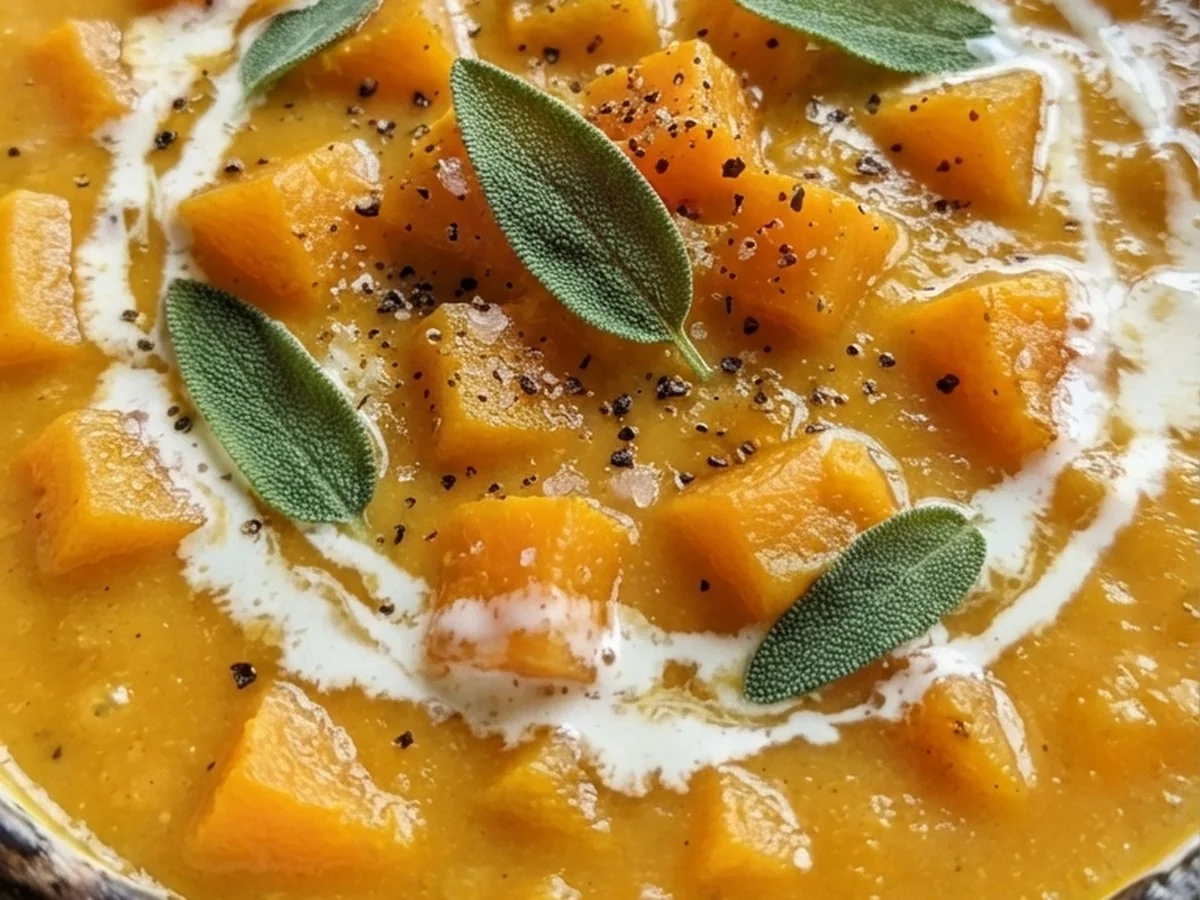
Creamy Butternut Squash Sage Soup
Velvety butternut squash soup brightened by fresh sage and a swirl of heavy cream.
 Dinner
one pot lentil and spinach soup for nourishing winter family meals
Learn how to make delicious one pot lentil and spinach soup for nourishing winter family meals.…
 Dinner
Autumn Harvest Chicken & Stuffing Recipe
Delicious Autumn Harvest Chicken & Stuffing Recipe
 Dinner
Caprese Chicken Pasta Skillet: A Delightful One-Pan Meal
Delicious Caprese Chicken Pasta Skillet: A Delightful One-Pan Meal
 Dinner
Zesty Mediterranean Turkey Meatballs: A Flavorful and Healthy Delight
Delicious Zesty Mediterranean Turkey Meatballs: A Flavorful and Healthy Delight

Susan
I cook these recipes at home before they ever land here — simple ingredients, clear steps.
Other Reader Favorites
 Dinner
Easy Crispy Chilli Beef
Learn how to make delicious Easy Crispy Chilli Beef. Easy recipe with step-by-step instructions.
 Dinner
Avocado Bliss Chicken Quesadillas
Delicious Avocado Bliss Chicken Quesadillas
 Breakfast
Buttery Belgian Liege Waffles
Learn how to make delicious Buttery Belgian Liege Waffles. Easy recipe with step-by-step instructions.
Dinner
Caprese Chicken Pasta Skillet: A Delightful One-Pan Meal
Delicious Caprese Chicken Pasta Skillet: A Delightful One-Pan Meal