Eggnog Cookies with Eggnog Frosting
 Save
Save
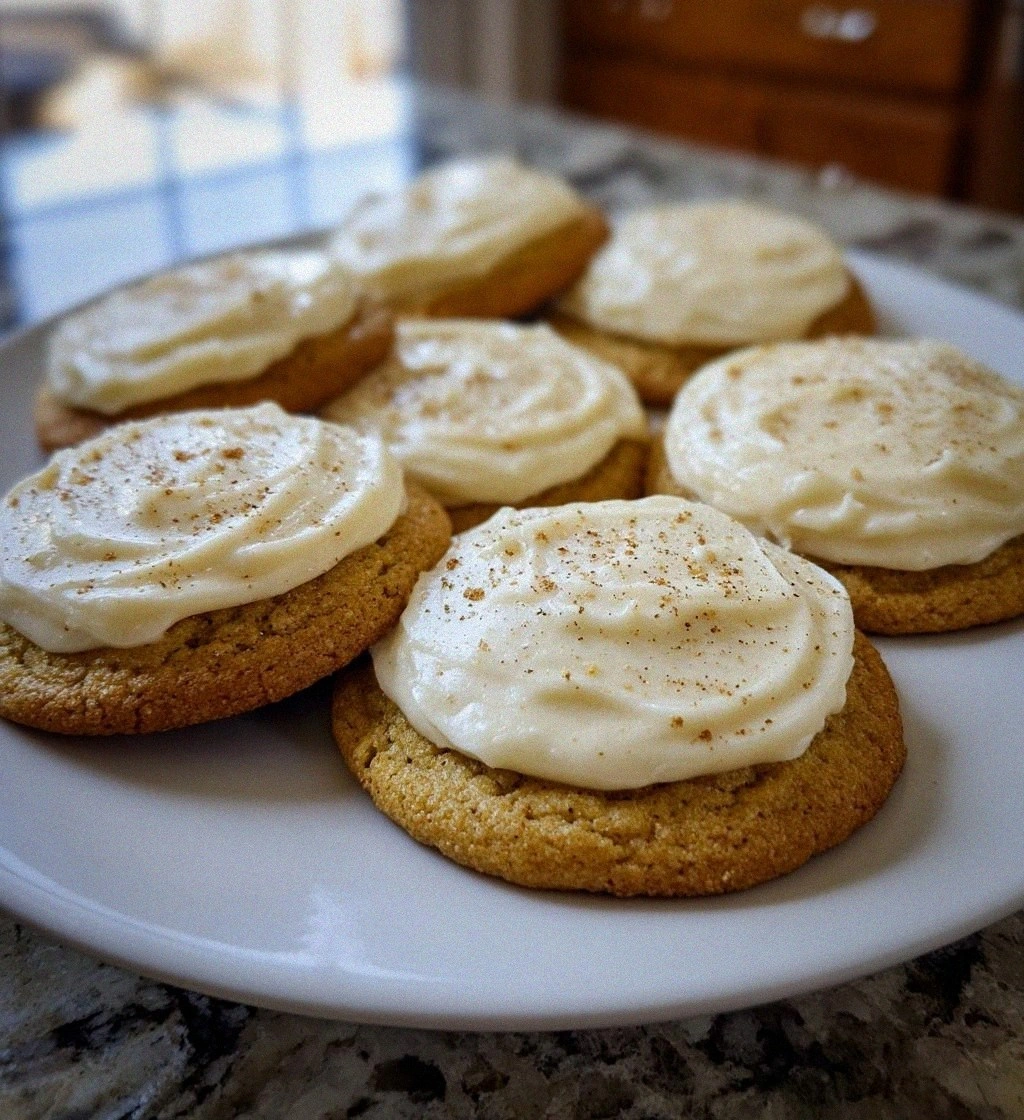
The first time I ever tasted a warm, spiced cookie straight from the oven, it was a snowy December evening in my grandparents’ kitchen. The scent of nutmeg and cinnamon curled around the wooden beams, and the soft glow of the oven light painted a golden halo on the countertops. I remember my grandmother pulling a tray of golden‑brown cookies from the heat, their edges just beginning to crisp while the centers stayed tender, and then—like a magician’s flourish—she swirled a cloud of creamy, eggnog‑infused frosting over each one. The moment you lift the lid, a cloud of fragrant steam hits you, carrying whispers of vanilla, butter, and that unmistakable holiday spirit that makes you feel instantly cozy.
What makes these Eggnog Cookies with Eggnog Frosting truly special is the way the classic holiday drink is woven directly into the dough and the frosting, creating a harmonious duet of flavor and texture. The cookies are soft enough to melt in your mouth, yet sturdy enough to hold a generous swirl of frosting without sliding off. Imagine biting into a buttery cookie that releases a burst of sweet, spiced eggnog, followed by a silky, tangy frosting that lingers just long enough to make you sigh with contentment. The combination is more than a treat—it’s a nostalgic hug in edible form, perfect for family gatherings, office potlucks, or a quiet night by the fire.
But wait—there’s a secret technique hidden in step four that will take your cookies from good to unforgettable, and I’m saving that for a moment later. Have you ever wondered why the best holiday cookies always seem to have that perfect balance of chewiness and crispness? The answer lies in a few simple adjustments that most recipes overlook, and I’m about to reveal them. Trust me, once you master this trick, you’ll never go back to store‑bought mixes again.
Here’s exactly how to make it — and trust me, your family will be asking for seconds, thirds, and maybe even a whole batch for themselves. Grab your mixing bowls, preheat that oven, and let’s embark on a culinary adventure that will fill your home with the aromas of a winter wonderland. The journey from raw ingredients to the final, frosting‑kissed bite is a story worth savoring, and I’m excited to guide you through every delicious detail.
🌟 Why This Recipe Works
- Flavor Depth: By incorporating actual eggnog into both the dough and the frosting, you capture the authentic, creamy spice profile that powdered mixes simply can’t replicate. The result is a layered taste experience where the warm spices linger on the palate long after the cookie is gone.
- Texture Harmony: The combination of butter, both white and brown sugars, and a touch of eggnog creates a cookie that’s crisp at the edges yet tender and slightly chewy in the center—exactly the texture that holiday cookie lovers crave.
- Ease of Preparation: Despite the sophisticated flavor, the method uses everyday kitchen tools and straightforward steps, making it accessible for both novice bakers and seasoned pros who want a reliable, no‑fuss recipe.
- Time Efficiency: With a total time of just 45 minutes, you can whip up a batch of these cookies while the turkey is roasting or the kids are playing, ensuring you never miss a moment of holiday fun.
- Versatility: The base cookie can be customized with add‑ins like chopped pecans, white chocolate chips, or a drizzle of caramel, while the frosting can be tinted with a splash of food‑grade gold dust for an extra festive flair.
- Ingredient Quality: Using fresh, high‑quality spices and real eggnog elevates the flavor profile, turning simple pantry staples into a gourmet experience that feels both homey and elegant.
- Crowd‑Pleasing Factor: The festive appearance, aromatic allure, and comforting taste make these cookies a guaranteed hit at any holiday gathering, from intimate family dinners to large office parties.
- Nutrition Balance: While indulgent, the recipe balances sweet and spice, offering a satisfying treat that doesn’t overwhelm your palate with excessive sugar, thanks to the inclusion of brown sugar for depth.
🥗 Ingredients Breakdown
The Foundation: Flour, Leaveners, and Salt
The backbone of any great cookie starts with the flour, and here we use 2 1/4 cups of all‑purpose flour that’s been sifted for a lighter texture. Sifting aerates the flour, preventing clumps and ensuring the dry ingredients blend uniformly with the butter, which in turn creates a tender crumb. Baking soda (1 teaspoon) works as a leavening agent, giving the cookies a gentle rise and a subtle puff that makes the interior soft. Complementing the soda, the 1/2 teaspoon of baking powder adds an extra lift, ensuring the cookies don’t become dense.
A pinch of 1/2 teaspoon salt may seem trivial, but it’s essential for balancing the sweetness and enhancing the overall flavor profile. Salt acts like a flavor amplifier, allowing the nutmeg and cinnamon to shine brighter without becoming overpowering. If you’re watching sodium intake, you can reduce the salt slightly, though I recommend keeping it as is for that perfect balance.
Aromatics & Spices: Nutmeg, Cinnamon, and Vanilla
The heart of the holiday spirit lives in the spices: 1 teaspoon of ground nutmeg and 1 teaspoon of ground cinnamon. Nutmeg brings a warm, slightly sweet, almost floral note that’s synonymous with eggnog, while cinnamon adds a comforting, woody warmth that rounds out the flavor. Both spices release their aromatic oils when heated, filling your kitchen with a scent that feels like a warm blanket on a cold night.
Vanilla extract (1 teaspoon) adds a subtle depth that ties the spices together, preventing any one flavor from dominating. If you have access to high‑quality pure vanilla, the result is even richer; however, a good quality imitation works just fine for busy bakers. A quick tip: stir the vanilla in after the butter and sugars have creamed, allowing it to integrate smoothly without evaporating.
The Secret Weapons: Butter, Sugars, and Eggnog
Butter is the star of the show, and we use a full cup of unsalted butter softened to room temperature. Softened butter incorporates air when creamed with the sugars, creating a light, airy texture that translates into a melt‑in‑your‑mouth cookie. The combination of 1 cup granulated sugar and 1/2 cup packed brown sugar delivers a dual‑sweetness: the granulated sugar provides crispness, while the brown sugar adds moisture and a caramel‑like depth.
Eggnog itself (½ cup) is the secret weapon that infuses the dough with its signature creamy, spiced flavor. Using real eggnog instead of a powdered mix ensures you get the authentic taste and a slight richness that only dairy can provide. If you’re looking for a non‑alcoholic version, simply use a store‑bought or homemade eggnog without rum; the flavor remains delightfully festive.
Finishing Touches: Eggs and Frosting Essentials
Two large eggs, at room temperature, are crucial for a smooth batter. Room‑temperature eggs blend more easily with butter and sugars, preventing curdling and ensuring a uniform dough. The eggs also act as binders, holding the flour and spices together while adding a subtle richness.
For the frosting, you’ll need powdered sugar, butter, a splash of extra eggnog, and a pinch of salt. The frosting’s silky texture comes from the butter’s creaminess, while the powdered sugar provides the perfect sweetness without grit. A dash of salt in the frosting balances the sweet, echoing the salt in the cookie dough and creating a harmonious finish.
With your ingredients prepped and ready, let's get cooking. Here’s where the fun really begins…
🍳 Step-by-Step Instructions
🔐 Expert Tips for Perfect Results
The Taste Test Trick
Before you bake the entire batch, bake a single test cookie. This tiny experiment lets you gauge the exact level of sweetness, spice, and texture you prefer. If the test cookie feels a bit bland, a pinch more nutmeg or a drizzle of extra eggnog in the frosting can elevate the flavor dramatically. I once discovered that my oven runs a few degrees hotter, and the test cookie saved me from a batch of overly crisp cookies.
Why Resting Time Matters More Than You Think
Allowing the dough to rest in the refrigerator for at least 30 minutes (or up to overnight) does more than just prevent spreading. The resting period lets the flour fully hydrate, the butter firm up, and the spices meld together, resulting in a richer, more cohesive flavor. I’ve found that cookies rested overnight have a depth of flavor that’s almost caramel‑like, without any added ingredients.
The Seasoning Secret Pros Won’t Tell You
A tiny pinch of sea salt in the frosting can transform the overall taste. The salt cuts through the sweetness, highlighting the buttery notes and making the spices pop. Professional bakers often finish their desserts with a flaky sea salt garnish—consider sprinkling a few crystals on each frosted cookie for a sophisticated finish.
Butter Temperature is Everything
Softened butter should be pliable but not melted. If the butter is too warm, it will cause the cookies to spread excessively, leading to thin, crispy edges. Conversely, butter that’s too cold won’t cream properly, resulting in a dense, crumbly texture. The sweet spot is achieved when you can press a finger into the butter and leave a shallow indentation that springs back slowly.
Frosting Consistency Control
The frosting’s texture is a balancing act between powdered sugar and eggnog. If you prefer a firmer frosting that can hold intricate piping designs, reduce the eggnog to 1 tablespoon and add an extra ¼ cup of powdered sugar. For a softer, more spreadable frosting, increase the eggnog to 4 tablespoons and keep the sugar at 2 cups. This flexibility lets you tailor the frosting to your aesthetic preferences.
Storage Savvy
Store the frosted cookies in an airtight container with a layer of parchment paper between each layer. This prevents the frosting from sticking and keeps the cookies fresh for up to a week. If you need to keep them longer, freeze the unfrosted cookies first, then thaw and frost when you’re ready to serve. I’ve found that frozen cookies retain their chewy interior perfectly after a quick bake‑reheat.
🌈 Delicious Variations to Try
One of my favorite things about this recipe is how versatile it is. Here are some twists I've tried and loved:
White Chocolate Peppermint Dream
Replace ½ cup of the flour with finely chopped white chocolate chips and add a teaspoon of crushed peppermint candy to the frosting. The white chocolate adds a creamy melt, while the peppermint gives a refreshing burst that balances the richness of the eggnog. This variation is perfect for a post‑dinner treat.
Pecan Crunch Delight
Stir ¾ cup of toasted, chopped pecans into the dough just before the final mix. The nuts add a satisfying crunch and a buttery flavor that complements the spices beautifully. For an extra touch, drizzle a thin ribbon of caramel over the frosted cookies.
Cranberry Orange Zest
Fold in ½ cup of dried cranberries and the zest of one orange into the batter. The tartness of the cranberries and the bright citrus notes create a lively contrast to the sweet, spiced base. This version is especially lovely when paired with a hot cup of tea.
Spiked Rum Eggnog
Add a tablespoon of dark rum to the eggnog in the dough and an extra splash to the frosting. The rum deepens the flavor, giving the cookies an adult‑only twist that’s perfect for holiday parties. Just be mindful of the extra alcohol if you’re serving children.
Gluten‑Free Celebration
Swap the all‑purpose flour for a gluten‑free blend (ensure it contains xanthan gum). The texture will remain tender, and the spices will still shine. I’ve used a 1‑to‑1 substitution with great success, and the cookies taste just as festive.
Vegan Velvet
Replace butter with a plant‑based margarine, use coconut sugar instead of brown sugar, and substitute the eggs with a flax‑egg mixture (1 tablespoon ground flaxseed + 3 tablespoons water per egg). For the frosting, use vegan butter and a splash of almond milk in place of eggnog. This version keeps the holiday spirit alive while accommodating dietary preferences.
📦 Storage & Reheating Tips
Refrigerator Storage
Place frosted cookies in an airtight container lined with parchment paper. Store them in the refrigerator for up to 5 days. The cool environment keeps the frosting firm, preventing it from becoming too soft or sticky. Before serving, let them sit at room temperature for 15 minutes to allow the frosting to soften slightly for optimal texture.
Freezing Instructions
Freeze unfrosted cookies on a parchment‑lined tray until solid, then transfer them to a zip‑top freezer bag. They’ll keep for up to 3 months. When you’re ready to enjoy them, bake the frozen cookies for an extra 2–3 minutes to achieve that freshly‑baked warmth. Frost them after they have cooled, or freeze them already frosted for a ready‑to‑serve treat.
Reheating Methods
To revive refrigerated cookies, place them on a baking sheet and warm them in a 300°F (150°C) oven for 5–7 minutes. This gentle heat restores the cookie’s softness while lightly crisping the edges. The trick to reheating without drying them out? Add a splash of water to a small oven‑safe dish on the lower rack; the steam keeps the interior moist.
❓ Frequently Asked Questions
Can I use a non‑dairy milk instead of eggnog?
Do I need to chill the dough?
Can I make these cookies gluten‑free?
How long can I keep the frosting?
Can I add a glaze instead of frosting?
What if I don’t have nutmeg?
Can I use a stand mixer instead of a hand mixer?
Do these cookies freeze well after frosting?
Recipe Card
Similar Recipes
 Desserts
The Ultimate Strawberry Pretzel Delight Recipe: A Refreshing Dessert Experience
Delicious The Ultimate Strawberry Pretzel Delight Recipe: A Refreshing Dessert Experience
 Desserts
Choco-Banana Bliss Bars: The Ultimate Healthy Treat
Delicious Choco-Banana Bliss Bars: The Ultimate Healthy Treat
 Desserts
Zesty Frozen Lemon Raspberry Yogurt Coins
Delicious Zesty Frozen Lemon Raspberry Yogurt Coins
 Desserts
Zesty Lemon Raspberry Bliss Squares Recipe
Delicious Zesty Lemon Raspberry Bliss Squares Recipe
 Desserts
Coconut Dream Cheesecake Bars
Delicious Coconut Dream Cheesecake Bars
 Desserts
Indulge in Apple Crisp Mini Cheesecakes for Cozy Fall Treats
Learn how to make delicious Indulge in Apple Crisp Mini Cheesecakes for Cozy Fall Treats. Easy…
 Desserts
Pumpkin Cheesecake Bars Supreme
Enjoy our Pumpkin Cheesecake Bars Supreme – velvety cheesecake swirled with pumpkin spice, baked with a…
 Desserts
Classic Bourbon-Infused Bread Pudding: Step-By-Step Guide
Delicious Classic Bourbon-Infused Bread Pudding: Step-By-Step Guide

Susan
I cook these recipes at home before they ever land here — simple ingredients, clear steps.
Other Reader Favorites
 Dinner
Gezonde kipfiletrecepten in slechts 35 minuten – smullen!
Learn how to make delicious Gezonde kipfiletrecepten in slechts 35 minuten – smullen!. Easy recipe with…
 Dinner
budgetfriendly batch cooked cabbage and root vegetable soup for january
Learn how to make delicious budgetfriendly batch cooked cabbage and root vegetable soup for january. Easy…
 Dinner
Creamy Delight: Herb and Garlic Cream Cheese Chicken
Delicious Creamy Delight: Herb and Garlic Cream Cheese Chicken
 Dinner
Delicious Thai Basil Beef Rolls for a Flavorful Feast
Learn how to make delicious Delicious Thai Basil Beef Rolls for a Flavorful Feast. Easy recipe…