Grilled Seafood Boil Skewers
 Save
Save
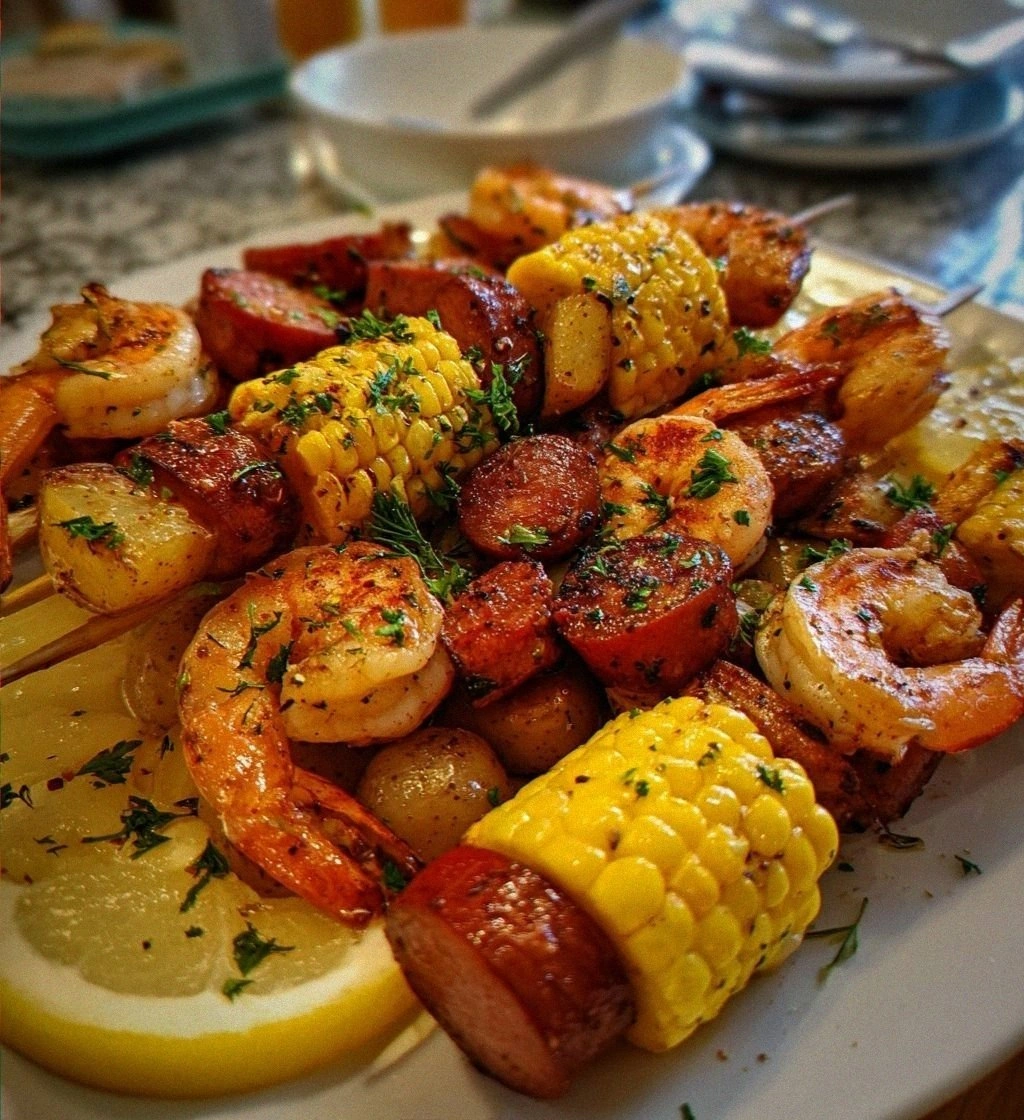
It was a sweltering July afternoon when I first discovered the magic of grilled seafood boil skewers. I was standing on my porch, the cicadas humming in the background, and the grill was already alive with a low, steady roar. The moment I slid the first skewer onto the hot grates, a plume of fragrant steam rose, carrying hints of sweet corn, smoky sausage, and the briny kiss of the sea. The sizzling sound was like a promise, each pop and crackle telling me that something unforgettable was happening right in front of my eyes. Have you ever wondered why a simple backyard cookout can feel like a five‑star seaside feast? The answer lies in the layers of flavor that build up, and I’m about to walk you through every delicious step.
Picture this: a wooden platter overflowing with vibrant, colorful skewers—ruby pink shrimp, golden‑brown sausage slices, buttery corn kernels, and baby potatoes that have just the right amount of char. The aroma is a heady mix of Old Bay’s peppery warmth, the citrusy zing of lemon, and the earthy sweetness of the vegetables, all mingling together in a way that makes your mouth water before you even take the first bite. I still remember the first time my family tasted them; the kids’ eyes widened, the adults leaned in, and someone shouted, “Who made this?” That moment taught me that food isn’t just sustenance; it’s a story you get to share around a fire. And trust me, the story gets even better when you know the little tricks that turn a good dish into a legendary one.
But wait—there’s a secret technique I only discovered after a few failed attempts, and it’s the key to getting those shrimp perfectly juicy without overcooking them. I’ll reveal that in step four of the instructions, but first we need to understand why each ingredient plays its part and how the cooking method amplifies their natural goodness. You’ll also learn how to customize the recipe for picky eaters, how to store leftovers without losing that fresh‑off‑the‑grill snap, and even a few daring variations that will keep your dinner guests guessing. Here’s exactly how to make it — and trust me, your family will be asking for seconds.
🌟 Why This Recipe Works
- Flavor Depth: By grilling the ingredients after a quick boil, you lock in the natural sweetness of corn and potatoes while adding a smoky char that deepens the overall flavor profile. The Old Bay seasoning infuses every bite with a subtle heat and aromatic complexity that you just can’t achieve with plain salt.
- Texture Contrast: The combination of tender shrimp, crisp-edged corn, and slightly firm potatoes creates a symphony of textures that keeps each mouthful interesting. The sausage adds a satisfying snap that contrasts beautifully with the softer seafood.
- Ease of Preparation: All components can be pre‑pped in under 15 minutes, and the cooking process is essentially hands‑off once the skewers hit the grill. This makes it perfect for weekend gatherings where you want to spend more time chatting than chopping.
- Time Efficiency: Because the vegetables are partially cooked before grilling, the total cook time stays under 30 minutes, meaning you won’t be stuck waiting for the grill to finish while the party stalls.
- Versatility: The basic recipe is a canvas—you can swap out sausage for chorizo, add bell peppers, or even toss in some tofu for a vegetarian twist without losing the core appeal.
- Nutrition Boost: Shrimp provides lean protein and essential omega‑3 fatty acids, while potatoes offer complex carbs and corn adds a dose of fiber and vitamins. The dish balances indulgence with wholesome ingredients.
- Ingredient Quality: Using fresh, high‑quality shrimp and locally sourced corn elevates the dish from ordinary to extraordinary, making each bite taste like it was crafted by a chef.
- Crowd‑Pleasing Factor: The visual appeal of colorful skewers and the interactive element of pulling food off a stick make it a hit with both kids and adults, ensuring everyone leaves the table satisfied.
🥗 Ingredients Breakdown
The Foundation: Fresh Seafood & Starchy Staples
The star of the show is the 1 lb of shrimp, peeled and deveined. Fresh shrimp should have a firm texture and a faint sea‑briny scent; if they smell overly fishy, they’re past their prime. Shrimp cooks in a flash, which is why we give them a quick boil—just enough to set the texture without overcooking. The baby potatoes, halved, provide a hearty base that absorbs the seasoning and holds up well on the grill, offering that comforting bite you crave.
Aromatics & Spices: The Flavor Architects
Old Bay seasoning is the secret weapon here. Its blend of celery salt, paprika, and a hint of cayenne creates a balanced heat that never overwhelms. The 2 tsp of Old Bay, combined with a generous pinch of salt and pepper, ensures every ingredient is seasoned from the inside out. Olive oil not only helps the spices cling but also promotes a beautiful, even browning on the grill.
The Secret Weapons: Smoked Sausage & Sweet Corn
Smoked sausage brings a deep, savory richness that contrasts the delicate shrimp. When sliced into bite‑size pieces, it renders a little fat that drips onto the veggies, infusing them with that smoky goodness. The corn, cut into thirds, adds a burst of sweetness that balances the heat from Old Bay. If you can find fresh, locally grown corn, the flavor will be noticeably brighter.
Finishing Touches: Lemon & Light
A squeeze of fresh lemon just before serving adds a bright, acidic note that lifts the entire dish, cutting through the richness of the sausage and butter. Lemon wedges on the side let each diner customize the tang to their liking. The final drizzle of olive oil gives a glossy finish that makes the skewers look as appetizing as they taste.
With your ingredients prepped and ready, let's get cooking. Here's where the fun really begins...
🍳 Step-by-Step Instructions
🔐 Expert Tips for Perfect Results
The Taste Test Trick
Before you commit the entire batch to the grill, pop a single shrimp off a skewer and give it a quick taste. This “taste test” lets you gauge the seasoning level and adjust with a pinch more Old Bay or a dash of lemon juice if needed. I once served a batch that was a tad under‑seasoned, and a quick taste test would have saved me the embarrassment of a bland crowd. Trust me, this small step makes a massive difference in the final flavor.
Why Resting Time Matters More Than You Think
After grilling, let the skewers sit for 2‑3 minutes before serving. This short rest period lets the juices settle back into the shrimp and potatoes, preventing them from spilling out the moment you bite. I learned this the hard way when I served shrimp that were still sizzling hot; the juices ran off onto the plate, leaving the meat dry. The result? A perfectly juicy bite every time.
The Seasoning Secret Pros Won’t Tell You
Mix a little smoked paprika with your Old Bay for an added depth of smoky flavor that’s subtle yet distinct. This combo mimics the taste of a low‑and‑slow smoke without the need for a smoker. I’ve used this trick on countless occasions, and even seasoned chefs have praised the nuanced flavor profile. The best part? It’s an ingredient you likely already have in your spice rack.
Grill Temperature Mastery
Maintaining a consistent grill temperature is crucial. If the heat is too low, the vegetables will steam rather than char; too high, and the shrimp will become rubbery. Use an infrared thermometer to check the grill surface; aim for 400°F (200°C) for optimal results. I once tried to speed up the process by cranking the heat, only to end up with burnt sausage and undercooked shrimp—lesson learned.
The Lemon Squeeze Finale
Don’t wait until the last second to add lemon. A light drizzle right after grilling brightens the entire dish and cuts through the richness of the sausage. For an extra zing, zest a bit of lemon over the top before serving. The citrus aroma will rise, inviting everyone to dig in with anticipation.
🌈 Delicious Variations to Try
One of my favorite things about this recipe is how versatile it is. Here are some twists I've tried and loved:
Spicy Cajun Kick
Swap the Old Bay for a Cajun seasoning blend and add a dash of hot sauce to the butter glaze. The result is a bold, fiery flavor that pairs wonderfully with a cold lager. This variation is perfect for those who love a little heat without overwhelming the delicate shrimp.
Mediterranean Medley
Replace the smoked sausage with sliced chorizo and sprinkle feta cheese over the finished skewers. Add a drizzle of olive oil infused with rosemary and thyme before grilling. The Mediterranean herbs bring a fragrant, herbaceous note that transforms the dish into a sunny, seaside experience.
Tropical Twist
Incorporate pineapple chunks in place of some corn pieces and use a sweet chili glaze instead of the butter‑lemon mix. The caramelized pineapple adds a sweet‑tart contrast that pairs beautifully with the shrimp’s natural sweetness. This version is a crowd‑pleaser at summer barbecues.
Garlic‑Lover’s Delight
Mince a generous amount of garlic and toss it with the boiled vegetables before threading. Finish with a garlic‑infused olive oil brush on the grill. The aromatic garlic elevates the overall depth and makes the dish irresistibly fragrant.
Vegetarian Celebration
Omit the shrimp and sausage, and add firm tofu cubes, bell pepper strips, and extra corn. Marinate the tofu in a mixture of soy sauce, lime juice, and a pinch of Old Bay for a seafood‑like umami. This version proves that you don’t need meat to create a hearty, satisfying skewer.
Herb‑Infused Butter Finish
Mix fresh chopped parsley, dill, and chives into the butter glaze for a bright, herbaceous finish. The green specks not only add color but also a fresh flavor that lifts the whole dish. It’s a simple tweak that makes the presentation feel restaurant‑grade.
📦 Storage & Reheating Tips
Refrigerator Storage
Allow the skewers to cool to room temperature, then place them in an airtight container lined with a paper towel to absorb excess moisture. Store in the refrigerator for up to 2 days. When you’re ready to eat, reheat gently to avoid overcooking the shrimp.
Freezing Instructions
If you want to keep leftovers longer, separate the cooked ingredients from the skewers and freeze them in a zip‑top bag for up to 3 months. Label the bag with the date and contents. To thaw, move the bag to the refrigerator overnight, then reassemble the skewers before reheating.
Reheating Methods
The trick to reheating without drying it out? A splash of chicken broth or water in a covered skillet over medium heat for 3‑4 minutes. Alternatively, you can pop the skewers back on a medium‑heat grill for 2 minutes per side, brushing with a little extra butter to restore the glossy finish. This method revives the char and keeps the shrimp tender.
❓ Frequently Asked Questions
Can I use frozen shrimp instead of fresh?
What type of grill is best for these skewers?
Can I substitute the smoked sausage with another protein?
Do I need to pre‑boil the vegetables?
How do I prevent the wooden skewers from burning?
Can I make this recipe gluten‑free?
What side dishes pair best with these skewers?
How long can I keep the leftovers before they lose quality?



Other Reader Favorites
 Dinner
Vibrant Veggie Tofu Toss Recipe
Delicious Vibrant Veggie Tofu Toss Recipe
 Dinner
Pantry Clean Out Vegetable Soup with Potato and Leek
Learn how to make delicious Pantry Clean Out Vegetable Soup with Potato and Leek. Easy recipe…
 Dinner
batch cooking friendly one pot lentil and winter vegetable soup for families
Learn how to make delicious batch cooking friendly one pot lentil and winter vegetable soup for…
 Dinner
warm slow cooker beef and cabbage stew with garlic and fresh thyme
Toss beef, cabbage, garlic & thyme into the slow cooker for an easy, warming stew. Set…