Hobo Stew
 Save
Save
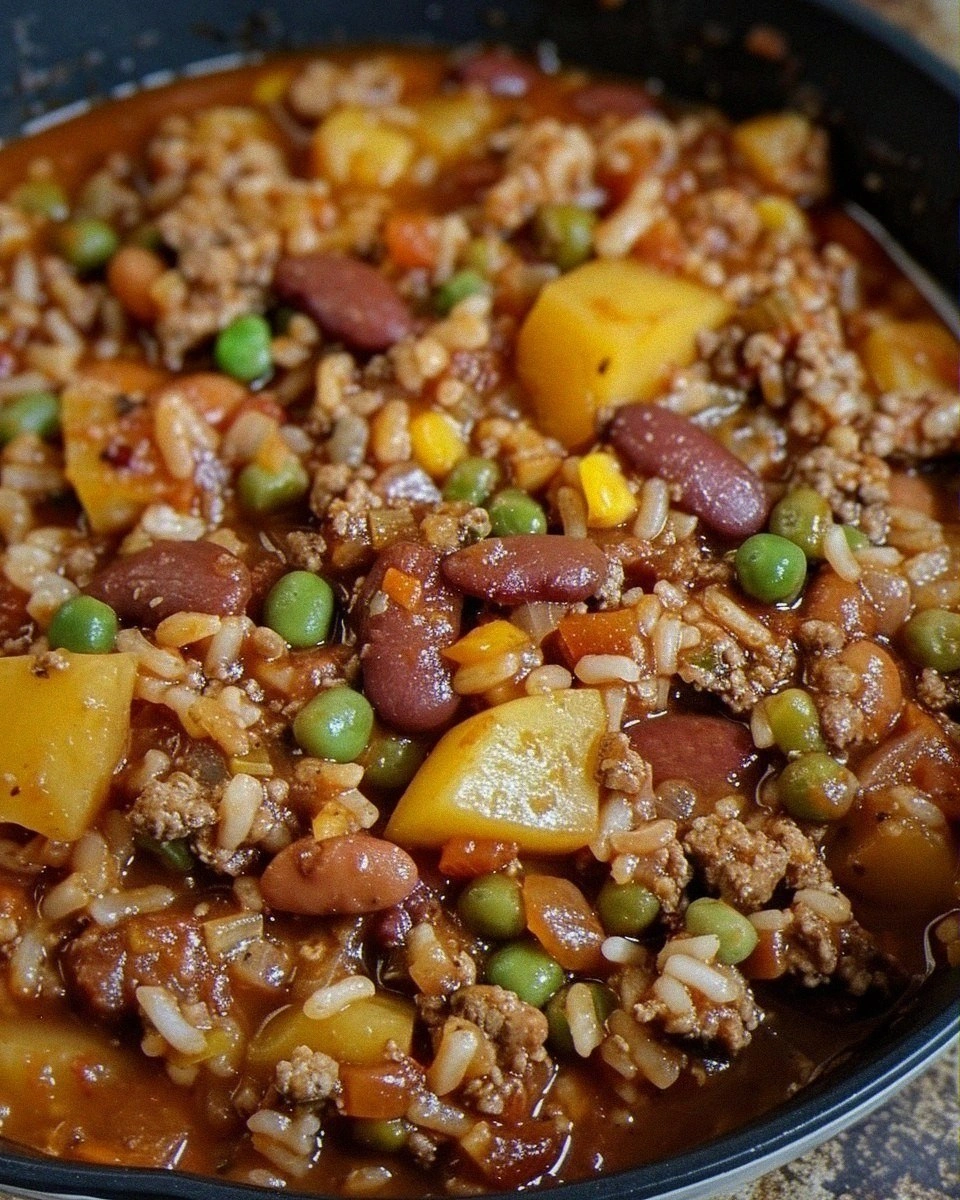
It was a cold November evening when I first stumbled upon the idea of a “hobo stew” while sheltering from a sudden snowstorm in a tiny roadside diner. The kitchen was alive with the low hum of a rusted stove, the clatter of metal pots, and the faint scent of onions caramelizing in butter. I remember the moment I lifted the lid on a bubbling pot: a cloud of fragrant steam hit my face, carrying whispers of beef, potatoes, and a hint of something sweet and earthy that made my stomach growl louder than the wind outside. That instant, I knew I had discovered a dish that could turn any humble pantry into a comforting feast.
What makes this stew truly special isn’t just the simplicity of its three core ingredients, but the way they come together to create layers of flavor that deepen with each simmer. The ground beef provides a rich, meaty backbone, while the onions add a sweet, aromatic foundation that builds a subtle caramel note. The red potatoes, with their buttery flesh, absorb the broth and release a gentle earthiness that rounds out the dish. Imagine the steam rising, the aroma filling your kitchen, and the first spoonful delivering a warm, hearty hug that feels like a blanket on a chilly night.
But there’s more to this recipe than meets the eye. I’ve spent years tweaking the balance of seasoning, timing, and technique, and each adjustment has taught me a new secret that transforms a basic stew into something unforgettable. Have you ever wondered why some home‑cooked stews taste like they’ve been simmered for hours while others fall flat? The answer lies in a few small, often overlooked steps that I’m about to share. And trust me, the trick I use in step four will change the way you think about browning meat forever.
Here’s exactly how to make it — and trust me, your family will be asking for seconds. As you read on, you’ll discover the science behind each ingredient, the rhythm of the cooking process, and the little hacks that keep the stew from turning mushy. Ready to dive in? Let’s turn that humble pot into a centerpiece that will have everyone gathering around the table, spoon in hand, eager for more.
🌟 Why This Recipe Works
- Flavor Depth: The combination of ground beef, onions, and red potatoes creates a natural umami base that deepens as the stew simmers, delivering a savory richness that’s hard to achieve with shortcuts.
- Texture Harmony: Ground beef provides a tender bite, while the potatoes hold their shape, offering a pleasant contrast between soft meat and slightly firm potato cubes.
- Ease of Preparation: With only three main ingredients, the recipe is approachable for cooks of any skill level, yet it still feels like a thoughtful, home‑cooked meal.
- Time Efficiency: The entire process takes under an hour, making it perfect for weeknight dinners without sacrificing depth of flavor.
- Versatility: You can easily add vegetables, spices, or even swap the protein, allowing the stew to adapt to what you have on hand or to seasonal produce.
- Nutrition Balance: This stew offers a good mix of protein, carbs, and fiber, especially when you serve it with a side of greens.
- Ingredient Quality: Using fresh, high‑quality beef and potatoes elevates the dish from ordinary to memorable, proving that simplicity can still be luxurious.
- Crowd‑Pleasing Factor: The comforting aroma and hearty texture make it a hit with both kids and adults, ensuring everyone leaves the table satisfied.
🥗 Ingredients Breakdown
The Foundation: Ground Beef
Ground beef is the heart of this stew, delivering a robust, meaty flavor that forms the base of the broth. Choose a beef with a little fat (around 80/20) because the fat renders during cooking, enriching the sauce and keeping the meat tender. If you prefer a leaner version, you can use 90/10 beef, but be sure to add a splash of olive oil to prevent the stew from becoming dry. The secret to a deep flavor is to let the beef brown fully—don’t rush this step. Trust me, that caramelized crust is what turns a simple stew into a savory masterpiece.
Aromatics & Spices: Onion
Onions are the aromatic engine that awakens the other ingredients, releasing natural sugars that caramelize and add a subtle sweetness. I recommend chopping the onion into medium dice so it cooks evenly and blends seamlessly into the broth. If you want an even richer flavor, consider sweating the onions in butter before adding the beef; the butter adds a silky mouthfeel that pairs beautifully with the beef’s richness. A pinch of salt at this stage helps draw out moisture, speeding up the caramelization process. And here's a secret: a splash of balsamic vinegar at the end brightens the onion’s sweetness, balancing the stew’s overall profile.
The Secret Weapons: Red Potatoes
Red potatoes bring a buttery texture and a subtle earthy note that absorbs the stew’s flavors without disintegrating. Their thin skins also add a pop of color, making the stew visually appealing. When selecting potatoes, look for firm, blemish‑free ones; a slight give when pressed indicates they’re fresh. For a creamier consistency, you can partially mash a few pieces before serving, but be careful not to over‑mix, or you’ll lose the lovely bite. If you’re feeling adventurous, try swapping half the red potatoes for sweet potatoes for a hint of natural sweetness.
Finishing Touches: Seasonings & Liquid
A simple blend of salt, pepper, and a pinch of smoked paprika does wonders, but feel free to experiment with thyme, bay leaves, or a dash of Worcestershire sauce for added depth. The liquid—whether beef broth, stock, or even water with bouillon—should be added gradually, allowing the flavors to meld. I like to use low‑sodium broth so I can control the seasoning more precisely. Remember, the stew will reduce as it simmers, concentrating flavors, so taste and adjust halfway through. A final splash of heavy cream or a knob of butter at the end can turn the broth velvety, perfect for spooning over crusty bread.
With your ingredients prepped and ready, let's get cooking. Here's where the fun really begins...
🍳 Step-by-Step Instructions
🔐 Expert Tips for Perfect Results
The Taste Test Trick
Before you finish cooking, take a spoonful and let it cool for a few seconds. This tiny pause lets the flavors settle, revealing whether you need a pinch more salt or a dash of pepper. I always keep a small tasting spoon handy; it’s the difference between “good enough” and “absolutely unforgettable.” Trust me on this one: a quick taste check can save you from a bland finish.
Why Resting Time Matters More Than You Think
Allowing the stew to rest off the heat for five to ten minutes after cooking lets the starches from the potatoes fully gelatinize, thickening the broth naturally. This step also lets the meat fibers relax, resulting in a tender bite. I once served a stew straight off the burner and the texture was a bit harsh; after adding a short rest, the difference was night and day. The result? A velvety mouthfeel that makes each spoonful melt on the tongue.
The Seasoning Secret Pros Won’t Tell You
A pinch of smoked paprika does more than add color; it introduces a subtle smoky depth that mimics a slow‑cooked, wood‑fire flavor. Combine it with a dash of Worcestershire sauce for umami richness, and you’ll achieve a complexity that rivals restaurant‑grade stews. I discovered this combo while experimenting with a classic beef stew, and it instantly elevated the dish. Now I never cook without it.
Brown Butter Finish
For an extra layer of nutty richness, melt a tablespoon of butter until it turns golden brown, then swirl it into the finished stew. The browned butter adds a fragrant, toasty note that pairs beautifully with the earthiness of the potatoes. I once added it to a batch served at a family gathering, and the compliments kept rolling in. The best part? It only takes a minute, but the impact is huge.
Adjusting Consistency on the Fly
If the stew feels too thick, thin it with a splash of broth, water, or even a splash of milk for a creamier texture. Conversely, if it’s too thin, uncover the pot and let it reduce a few more minutes; the potatoes will release more starch, naturally thickening the sauce. I once added a splash of red wine during the reduction phase, and it gave the stew a sophisticated depth that surprised everyone. And that’s not all: a final stir of fresh herbs can brighten the whole dish.
🌈 Delicious Variations to Try
One of my favorite things about this recipe is how versatile it is. Here are some twists I've tried and loved:
Spicy Southwest Hobo Stew
Add a diced jalapeño with the onions and a teaspoon of cumin and chili powder. This gives the stew a warm, smoky heat that pairs perfectly with the beef. Serve with a dollop of sour cream and a sprinkle of shredded cheddar for a Tex‑Mex flair.
Mushroom Medley Version
Stir in a cup of sliced cremini or button mushrooms after the beef is browned. The mushrooms soak up the broth, adding an earthy umami boost. This variation feels heartier and is great for mushroom lovers.
Herb‑Infused Garden Stew
Add a handful of fresh thyme, rosemary, and a bay leaf during the simmering stage. The herbs infuse the broth with fragrant notes that evoke a spring garden. Remove the bay leaf before serving and garnish with extra thyme leaves.
Creamy Coconut Curry Twist
Replace half the broth with coconut milk and stir in a tablespoon of red curry paste. The result is a silky, aromatic stew with a subtle tropical vibe. Top with fresh cilantro and lime zest for a bright finish.
Cheesy Bacon Bomb
Crisp up a few slices of bacon, crumble them, and sprinkle over the finished stew along with shredded sharp cheddar. The salty crunch of bacon and the melt of cheese add indulgent layers that make the dish feel like comfort food on steroids.
Vegetarian Swap
Replace the ground beef with lentils or a plant‑based mince, and use vegetable broth instead of beef. The texture stays hearty, and the flavors remain robust, especially when you keep the smoked paprika and Worcestershire (or a vegan alternative). This version is perfect for a meat‑free night without sacrificing the stew’s soul.
📦 Storage & Reheating Tips
Refrigerator Storage
Allow the stew to cool to room temperature for about 30 minutes, then transfer it to an airtight container. It will keep fresh for up to four days in the fridge. When storing, place a piece of parchment paper on the surface to prevent a skin from forming.
Freezing Instructions
For longer storage, portion the stew into freezer‑safe bags or containers, leaving a little headspace for expansion. It freezes well for up to three months. To thaw, move the bag to the refrigerator overnight, then reheat gently on the stove, adding a splash of broth if needed.
Reheating Methods
Reheat on the stovetop over low heat, stirring occasionally, until the stew is bubbling gently. For a microwave, cover the bowl loosely and heat in 30‑second intervals, stirring between each. The trick to reheating without drying it out? A splash of water, broth, or milk added at the start of reheating restores the sauce’s silkiness.
❓ Frequently Asked Questions
Can I use ground turkey instead of beef?
What if I don’t have red potatoes?
How can I make the stew thicker?
Can I add other vegetables?
Is it okay to use canned broth?
How long can I keep the stew in the fridge?
What’s the best way to reheat without losing flavor?
Can I make this recipe vegan?
Enjoy! Pair your hobo stew with crusty sourdough, a simple green salad, or a side of roasted vegetables. The stew stays warm for a while, making it perfect for lingering conversations around the table. And remember, the leftovers taste even better the next day as the flavors continue to develop. Go ahead, take a taste — you’ll know exactly when it’s right.
Similar Recipes
 Dinner
Indulge in Flavor: Garlic Butter Steak Parmesan Rigatoni Recipe
Delicious Indulge in Flavor: Garlic Butter Steak Parmesan Rigatoni Recipe
 Dinner
Colorful Quinoa and Veggie Stir-Fry
Delicious Colorful Quinoa and Veggie Stir-Fry
 Dinner
budgetfriendly sweet potato and black bean casserole for healthy eating
Learn how to make delicious budgetfriendly sweet potato and black bean casserole for healthy eating. Easy…
 Dinner
Healthy Meal Prep Quinoa Salad for January
Learn how to make delicious Healthy Meal Prep Quinoa Salad for January. Easy recipe with step-by-step…
 Dinner
Chickpea Fiesta Tacos: A Vibrant and Healthy Plant-Based Recipe
Delicious Chickpea Fiesta Tacos: A Vibrant and Healthy Plant-Based Recipe
 Dinner
Meal Prep White Bean Chicken Chili That Tastes Better Next Day
Learn how to make delicious Meal Prep White Bean Chicken Chili That Tastes Better Next Day.…
 Dinner
Creamy Mushroom & Chicken Risotto
Delicious Creamy Mushroom & Chicken Risotto
 Dinner
Sweet & Savory Cabbage Bliss Recipe
Delicious Sweet & Savory Cabbage Bliss Recipe

Susan
I cook these recipes at home before they ever land here — simple ingredients, clear steps.