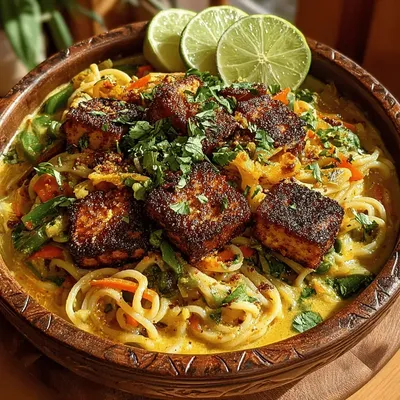
Honey Sriracha Salmon Bowls: A Sweet and Spicy Delight
 Save
Save
It was a chilly Saturday evening in late October, the kind of night when the wind whistles through the kitchen window and the scent of something simmering on the stove feels like a warm hug. I was standing over a pan, the sound of sizzling salmon echoing against the countertops, while the honey and sriracha swirled together in a glossy glaze that seemed to capture the very essence of sweet heat. The moment I lifted the lid, a cloud of fragrant steam hit me – a tantalizing mix of caramelized honey, smoky chili, and a whisper of citrus that made my mouth water before the first bite even arrived. That night, my family gathered around the table, eyes wide with anticipation, and the bowl I served was more than a meal; it was a memory in the making, a story that would be retold at every future gathering.
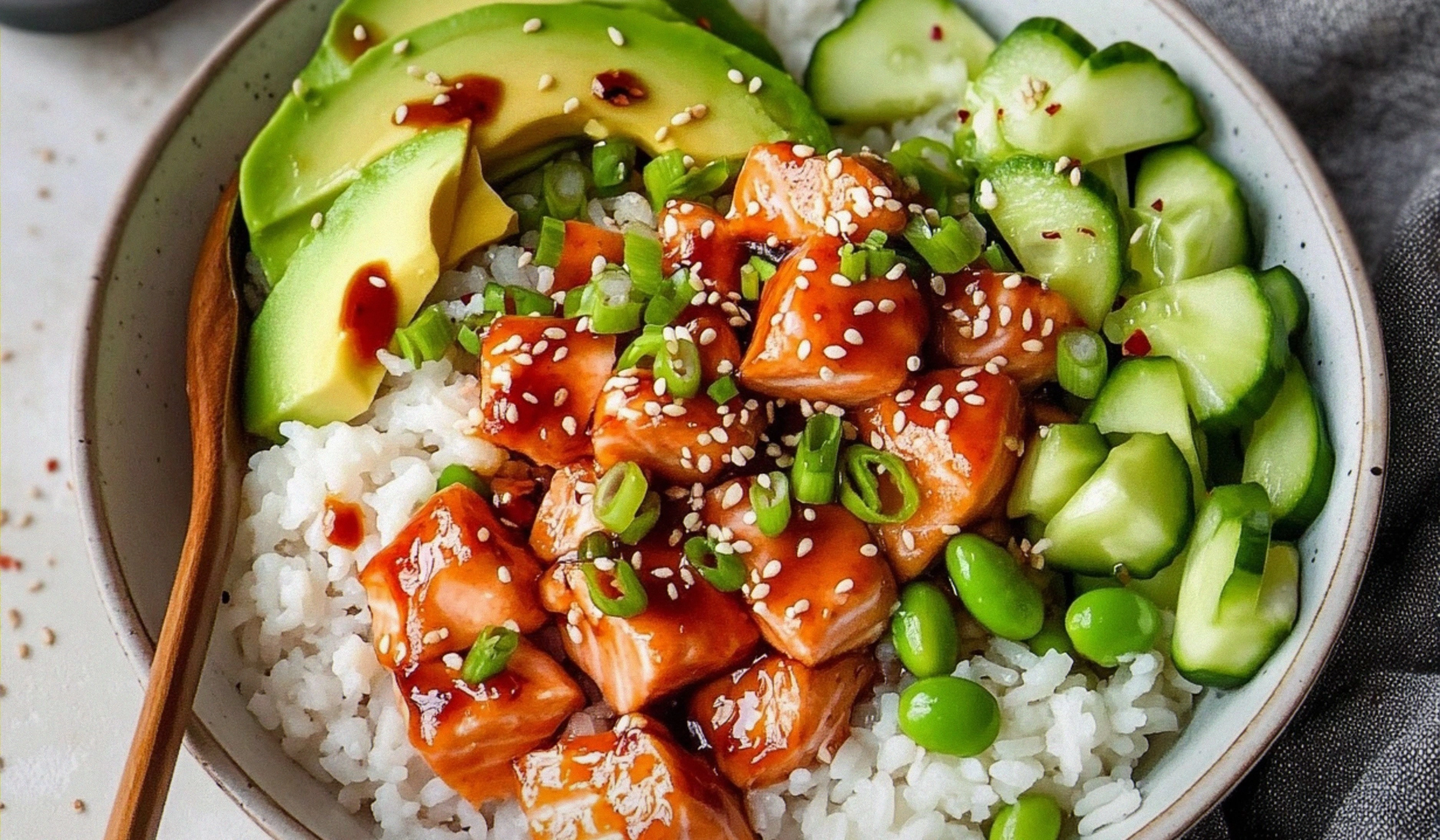
What makes this Honey Sriracha Salmon Bowl so special is not just the bold flavor combo, but the way each component sings in harmony. The salmon, buttery and flaky, absorbs the sticky sweet‑spicy sauce, while the bed of fluffy rice or quinoa provides a neutral canvas that lets the sauce shine. Fresh vegetables like crisp cucumber, bright carrot ribbons, and creamy avocado add texture and a burst of color that makes the bowl look as good as it tastes. And let’s not forget the final drizzle of sesame oil and a sprinkle of toasted seeds that give a nutty finish you’ll be dreaming about long after the last spoonful.
But wait – there’s a secret trick that elevates this dish from restaurant‑quality to unforgettable, and I’m only going to reveal it in step four of the cooking process. Have you ever wondered why the sauce sometimes separates or why the salmon can turn out dry? The answer lies in a simple technique that most home cooks overlook, and once you master it, you’ll never look back. Trust me, this little hack is the difference between “good” and “legendary.”
Now, you’re probably thinking, “I want to try this tonight!” and I’m thrilled you’re on board. Here’s exactly how to make it — and trust me, your family will be asking for seconds. Grab your apron, preheat the oven, and let’s dive into a bowl that balances sweet, spicy, and savory in every bite. Ready? Let’s get cooking.
🌟 Why This Recipe Works
- Flavor Depth: The combination of honey’s natural sweetness and sriracha’s vibrant heat creates a layered flavor profile that deepens as the sauce caramelizes on the salmon. This balance ensures that each bite delivers both a comforting sweetness and an exciting kick.
- Texture Contrast: The flaky, buttery salmon contrasts beautifully with the crisp, fresh vegetables and the tender grains, giving you a satisfying mouthfeel that keeps you reaching for more.
- Ease of Preparation: With a straightforward marinating step and a single‑pan cooking method, this dish fits perfectly into a busy weeknight schedule while still feeling special enough for a weekend feast.
- Time Efficiency: The total time under 45 minutes means you can have a restaurant‑style bowl on the table faster than you can say “extra sriracha!”
- Versatility: Swap the base grain, change up the veggies, or adjust the heat level – this recipe adapts to dietary preferences, seasonal produce, and personal taste without losing its core identity.
- Nutrition Boost: Salmon provides omega‑3 fatty acids, while the veggies add fiber, vitamins, and antioxidants, making the bowl a balanced, wholesome meal that fuels both body and soul.
- Ingredient Quality: Using fresh, high‑quality salmon and a good‑grade sriracha ensures that the flavors shine through, turning simple pantry staples into a gourmet experience.
- Crowd‑Pleasing Factor: The sweet‑spicy glaze is universally loved, making this dish a safe bet for picky eaters, kids, and adults alike – it’s the kind of comfort food that brings everyone together.
🥗 Ingredients Breakdown
The Foundation
The base of any good bowl starts with a sturdy grain that can hold up to the sauce without turning mushy. I prefer a mix of jasmine rice and quinoa because the rice offers a fragrant, slightly sticky texture while quinoa adds a nutty crunch and a boost of protein. Rice: Look for long‑grain jasmine for its aromatic quality; rinse it thoroughly to remove excess starch, which helps keep each grain separate after cooking. Quinoa: Rinse under cold water to get rid of its natural saponin coating, which can taste soapy if left unchecked. Together, they create a fluffy, hearty foundation that soaks up the glaze without becoming soggy.
Aromatics & Spices
Garlic: Freshly minced garlic releases a pungent, savory aroma that forms the backbone of the glaze. If you love a deeper flavor, try roasting the garlic first – it adds a mellow sweetness that pairs beautifully with the honey. Ginger: Grated ginger contributes a bright, peppery zing that cuts through the richness of the salmon. Look for firm, unblemished roots; the fresher the ginger, the more aromatic the dish. Soy Sauce: A good quality low‑sodium soy sauce provides the salty umami that balances the honey’s sweetness, and it also helps the sauce caramelize nicely on the fish.
The Secret Weapons
Honey: The star of the show, honey not only sweetens but also helps the sauce achieve a glossy, caramelized finish. Opt for raw, unfiltered honey if you can – it adds subtle floral notes that elevate the overall flavor. Sriracha: This iconic chili sauce brings heat, garlic, and a hint of vinegar, creating a perfect counterpoint to the honey. Choose a brand you love, because the flavor can vary dramatically between manufacturers. Lime Juice: A splash of fresh lime juice at the end adds acidity that brightens the entire bowl, preventing the sauce from feeling cloyingly sweet.
Finishing Touches
Avocado: Creamy avocado slices add a buttery texture that tempers the spice, while also delivering healthy monounsaturated fats. Choose ripe avocados that yield gently to pressure but aren’t mushy. Cucumber & Carrot Ribbons: These fresh, crunchy vegetables provide a refreshing contrast to the warm salmon and glaze. Use a vegetable peeler to create long, elegant ribbons that look as good as they taste. Sesame Seeds & Green Onions: Toasted sesame seeds bring a subtle nuttiness, and sliced green onions add a fresh, sharp bite. For an extra pop of flavor, drizzle a few drops of toasted sesame oil over the assembled bowl.
With your ingredients prepped and ready, let's get cooking. Here's where the fun really begins…
🍳 Step-by-Step Instructions
🔐 Expert Tips for Perfect Results
The Taste Test Trick
Before you commit the glaze to the salmon, take a tiny spoonful and give it a quick taste. This is your moment to adjust the balance: a dash more honey if you crave extra sweetness, or an extra splash of sriracha if you love heat. Trust your palate – it’s the best guide you have. I once added a pinch of smoked paprika on a whim, and it added a smoky depth that became a permanent addition.
Why Resting Time Matters More Than You Think
After the salmon comes out of the oven, let it rest for three minutes before slicing. This short pause allows the juices to redistribute, keeping the fish moist and tender. Skipping this step can cause the salmon to release all its juices onto the plate, making the bowl soggy. The result? A perfectly flaky piece that stays juicy even after you mix it with the grains.
The Seasoning Secret Pros Won’t Tell You
Professional chefs often finish a dish with a splash of acid – in this case, lime or a splash of rice vinegar – right before serving. This tiny burst of acidity lifts the flavors, making the sweet and spicy notes pop. I discovered this trick while working in a bustling bistro; the chef would always finish his bowls with a quick squeeze of lemon, and the difference was night and day.
How to Achieve the Perfect Caramelization
Caramelization happens when the sugars in the honey reach a high temperature and turn golden brown. To encourage this, make sure the oven is fully preheated and the salmon skin side is placed on a hot pan for a minute before baking. The result is a glossy, slightly crisp exterior that crackles when you bite into it – pure satisfaction.
Balancing Heat Without Overpowering
If you love spice but want to keep the dish family‑friendly, consider mixing sriracha with a milder chili paste or a spoonful of ketchup. This dilutes the heat just enough to make it approachable for kids while preserving the signature flavor. I once served this bowl at a family reunion; the kids loved the subtle sweetness, and the adults appreciated the gentle kick.
The Power of Fresh Herbs
A handful of chopped cilantro or fresh Thai basil added at the very end can transform the bowl from good to spectacular. The herbs add a bright, aromatic lift that complements the richness of the salmon. I’ve found that a sprinkle of cilantro right before serving makes the dish feel fresh and garden‑like, especially during the warmer months.
🌈 Delicious Variations to Try
One of my favorite things about this recipe is how versatile it is. Here are some twists I've tried and loved:
Tropical Twist
Swap the cucumber for fresh pineapple chunks and add a drizzle of coconut milk. The sweet pineapple amplifies the honey, while coconut milk adds a silky richness that transports you to a beachside shack.
Korean‑Inspired Bowl
Replace sriracha with gochujang, add kimchi as a topping, and sprinkle toasted sesame seeds generously. The fermented tang of kimchi pairs beautifully with the sweet glaze, creating a bold, umami‑rich experience.
Mediterranean Magic
Use olive oil instead of sesame oil, add chopped sun‑dried tomatoes, and finish with crumbled feta cheese. The salty feta balances the sweet sauce, while sun‑dried tomatoes contribute an intense, chewy texture.
Vegan Power Bowl
Swap the salmon for firm tofu or tempeh, and use maple syrup instead of honey. Marinate the tofu in the same glaze, then bake until golden. This version keeps the sweet‑spicy profile while catering to plant‑based diets.
Spicy Peanut Crunch
Stir a tablespoon of creamy peanut butter into the glaze and top the finished bowl with crushed peanuts. The peanut butter adds a nutty depth, and the peanuts provide a satisfying crunch that contrasts the tender salmon.
📦 Storage & Reheating Tips
Refrigerator Storage
Allow the bowl to cool to room temperature before sealing it in an airtight container. Store the grain base and sauce separately from the fresh veggies to maintain crispness. In the fridge, the salmon will stay fresh for up to three days, and the glaze may thicken – simply whisk in a splash of water before reheating.
Freezing Instructions
If you want to make a batch ahead of time, freeze the cooked salmon and grain mixture in separate freezer‑safe bags. The veggies are best kept fresh and added after reheating. When ready to eat, thaw overnight in the fridge, then reheat the salmon and grains in a skillet with a drizzle of water or broth to prevent drying.
Reheating Methods
The trick to reheating without drying it out? A splash of water or broth in a covered pan over medium heat, stirring gently until heated through. Alternatively, use a microwave on 50% power for 1‑2 minutes, stopping to stir halfway. Finish with a quick drizzle of fresh lime juice to revive the bright flavors.
❓ Frequently Asked Questions
Can I use frozen salmon instead of fresh?
How spicy is the sriracha in this recipe?
Can I substitute the glaze with a different sauce?
What grain works best for the base?
Is it okay to use a non‑stick pan instead of baking?
Can I make this recipe dairy‑free?
How do I prevent the salmon from sticking to the pan?
What’s the best way to reheat leftovers without losing texture?
To build the bowls, start with a generous scoop of the rice‑quinoa blend at the bottom of each serving bowl. Arrange the salmon fillet on top, then fan out the fresh veggies around the fish. Drizzle any remaining glaze from the pan over the entire bowl, allowing it to cascade like a glossy river.
Finish with a sprinkle of toasted sesame seeds, a drizzle of extra toasted sesame oil, and a final squeeze of lime. The sesame seeds add a nutty crunch, while the lime brightens the entire composition. Serve immediately, and watch as your family dives in, eyes wide with anticipation.
And there you have it! But before you dig in, let me share some tips that will take this from great to absolutely unforgettable…
Similar Recipes
 Appetizers
creamy butternut squash soup with kale for cold january evenings
Learn how to make delicious creamy butternut squash soup with kale for cold january evenings. Easy…
 Appetizers
Crispy Jalapeño Cheese Poppers Recipe
Delicious Crispy Jalapeño Cheese Poppers Recipe
 Appetizers
spring menu design: 5 Inspiring Ways to Celebrate Spring
Learn how to make delicious spring menu design: 5 Inspiring Ways to Celebrate Spring. Easy recipe…
 Appetizers
Bite-Sized Broccoli Cheddar Delights: Your Ultimate Recipe Guide
Delicious Bite-Sized Broccoli Cheddar Delights: Your Ultimate Recipe Guide
 Appetizers
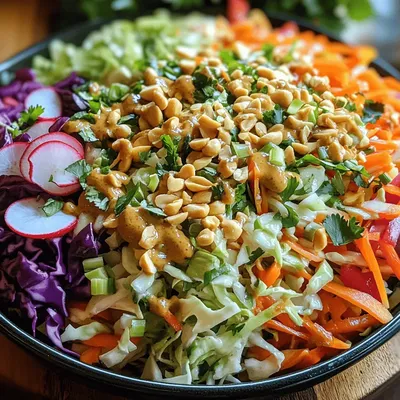
Crunchy Thai Peanut Slaw Recipe
Delicious Crunchy Thai Peanut Slaw Recipe
 Appetizers
Reuben Bake With Layers Of Corned Beef, Sauerkraut, And Swiss Cheese: A Family Favorite
Learn how to make delicious Reuben Bake With Layers Of Corned Beef, Sauerkraut, And Swiss Cheese:…
 Appetizers
Crunchy Air Fryer Chicken Tenders: A Delicious Recipe
Delicious Crunchy Air Fryer Chicken Tenders: A Delicious Recipe
 Appetizers
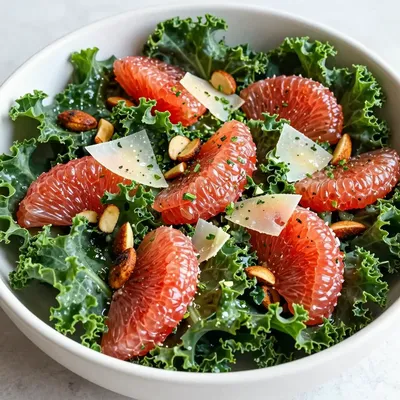
healthy citrus and kale salad with grapefruit and herb dressing
Brighten your table with this healthy citrus kale salad, bursting with grapefruit and a zesty herb…

Susan
I cook these recipes at home before they ever land here — simple ingredients, clear steps.