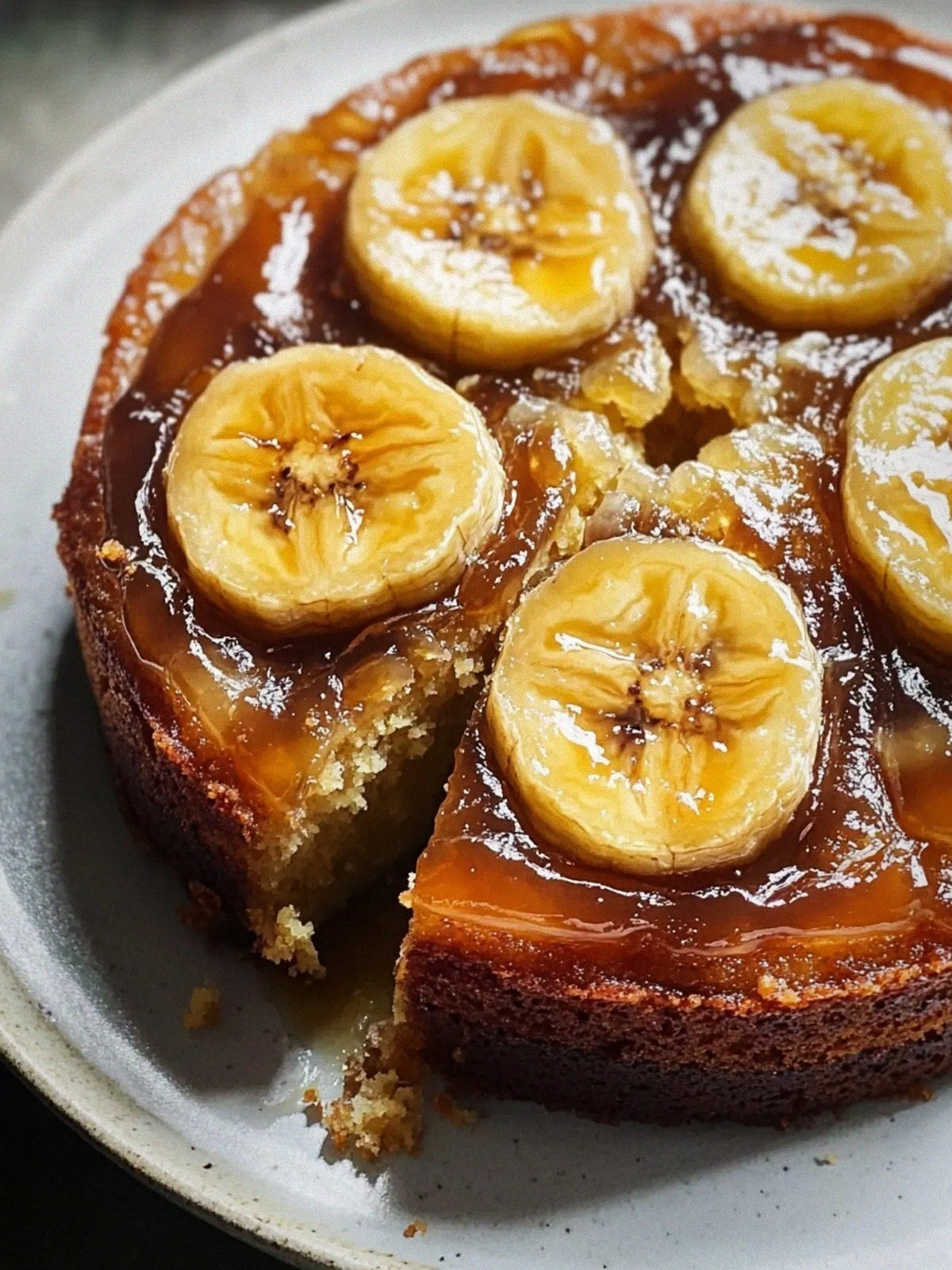
Irresistible Caramelized Banana Upside Down Cake Recipe
 Save
Save
It was a rainy Saturday afternoon, the kind where the sky looks like a watercolor wash and the kitchen becomes the coziest refuge. I was rummaging through my pantry, humming an old folk tune, when a lone banana caught my eye—still a little green at the tips, but promising sweet caramel if treated just right. I remembered the first time my grandmother made an upside‑down cake, the caramel sauce bubbling like a golden waterfall, the bananas turning a deep amber that smelled like tropical sunrise. The memory sparked a craving that was both nostalgic and adventurous, and I thought, “What if I could give that classic a coconut‑infused, gluten‑free twist?” The idea was irresistible, and the moment I sliced that banana, a fragrant steam rose, mingling with the faint scent of vanilla powder, making my kitchen feel like a tropical bakery.
Fast forward to today, and that spark has become a full‑blown recipe that I’m thrilled to share with you. This isn’t just any banana cake; it’s an upside‑down masterpiece where the bananas are caramelized to a perfect caramel‑brown hue, then cradled by a tender, slightly nutty crumb that’s light enough to melt in your mouth yet sturdy enough to hold its shape when you flip it. The secret? A clever blend of coconut flour, arrowroot, and tigernut flour that creates a moist, tender texture without any wheat, while coconut oil and coconut sugar add a buttery richness and a subtle caramel note that makes every bite sing. Have you ever wondered why some gluten‑free cakes turn out dense and dry? The answer lies in the balance of moisture and the right combination of low‑gluten flours, and that’s exactly what we’ve mastered here.
But wait—there’s a twist that will take this cake from “delicious” to “absolutely unforgettable.” I’m talking about a tiny dash of apple cider vinegar that reacts with the baking soda, creating tiny air pockets that lift the cake just enough to keep it airy while still delivering that melt‑in‑your‑mouth feel. I discovered this trick by accident when a batch of my usual banana bread turned out flat, and after a quick Google search and a splash of vinegar, the result was a fluffy miracle. You’ll see exactly how and why we use it in the step‑by‑step section, and trust me, you’ll want to remember that tip for every future bake.
Here’s exactly how to make it — and trust me, your family will be asking for seconds, thirds, maybe even a midnight snack run. The journey from raw ingredients to a golden, caramel‑kissed masterpiece is filled with aromas that will make your neighbors peek through the window, textures that will surprise your palate, and a few pro tips that only seasoned home cooks know. Ready to dive in? Let’s get started, and I promise you’ll be amazed at how simple, yet spectacular, this cake can be.
🌟 Why This Recipe Works
- Flavor Depth: The combination of coconut sugar and caramelized bananas creates a layered sweetness that feels both familiar and exotic, with caramel notes that linger long after the last bite.
- Moisture Balance: Coconut milk and coconut oil infuse the batter with healthy fats, ensuring every slice stays moist, while the arrowroot powder prevents a gummy texture.
- Texture Contrast: The top layer of caramelized bananas offers a glossy, slightly crisp edge, while the interior remains soft and airy, giving you that perfect bite‑to‑mouth experience.
- Gluten‑Free Confidence: By using coconut flour, arrowroot, and tigernut flour, you avoid gluten without sacrificing structure; the batter rises beautifully thanks to the baking soda‑vinegar reaction.
- Ease of Execution: Despite its impressive appearance, the recipe requires only one pan, minimal mixing, and a straightforward flip, making it approachable for cooks of any skill level.
- Nutrition Boost: Full‑fat coconut milk provides medium‑chain triglycerides for sustained energy, while tigernut flour adds fiber and a subtle sweet nuttiness.
- Crowd‑Pleaser Factor: The visual drama of an upside‑down cake paired with the universal love of bananas makes it a guaranteed hit at brunches, birthdays, or any casual gathering.
- Versatility: This base can be adapted with spices, nuts, or even a drizzle of dark chocolate, allowing you to customize it for seasonal flavors or personal preferences.
🥗 Ingredients Breakdown
The Foundation: Flours & Starches
Coconut flour is the star of the show when it comes to gluten‑free baking. It’s incredibly absorbent, so it soaks up the liquid from the coconut milk, creating a dense yet tender crumb. Because it’s high in fiber, it also lends a subtle sweetness that pairs beautifully with the caramelized bananas. Tip: If you find the batter too thick, add an extra tablespoon of coconut milk; the consistency should be pourable but not runny.
Arrowroot powder acts as a lightening agent. It’s a starch that gives the cake a delicate, almost melt‑in‑your‑mouth texture, preventing the final product from feeling heavy. I love using it because it’s flavor‑neutral, so it lets the banana and coconut flavors shine. Pro tip: When you whisk arrowroot with the dry ingredients, you’ll notice a faint powdery cloud—this is a sign it’s ready to bind with the wet mix.
Tigernut flour is a lesser‑known gem that adds a buttery, nutty undertone without the actual nuts, making it perfect for those with nut allergies. It also contributes a slight crunch if you lightly toast it before adding it to the batter. Did you know? Tigernuts are actually tubers, not nuts, and they’re rich in resistant starch, which can aid digestion.
Aromatics & Spices: The Flavor Builders
Vanilla powder may seem modest, but it delivers a concentrated vanilla flavor without the moisture that liquid extract would add. This keeps the batter’s consistency spot‑on while giving each bite a warm, comforting aroma that reminds you of a bakery’s backroom. Quick tip: Store vanilla powder in an airtight jar away from heat to preserve its potency.
Sea salt is the unsung hero that balances the sweetness of the coconut sugar and bananas. A pinch of salt enhances the caramel notes, making the overall flavor more complex and less cloying. Pro tip: Use flaky sea salt for a subtle crunch on the top layer after the cake has cooled.
The Secret Weapons: Fats & Acids
Coconut oil appears twice in the ingredient list for a reason. The 4 tsp melted into the batter provides richness and helps the cake stay moist, while the ¼ cup used for caramelizing the bananas creates that glossy, deep‑golden crust that’s the hallmark of an upside‑down cake. Remember: Use virgin coconut oil for the best flavor; refined oil can taste neutral but loses the tropical notes.
Full‑fat coconut milk is the liquid backbone, delivering creaminess and a subtle coconut aroma that ties the whole dish together. Its high fat content works with the coconut oil to create a tender crumb that doesn’t crumble apart when you flip the cake. Tip: Shake the can well before measuring to ensure the cream and water are fully combined.
Apple cider vinegar is the tiny hero that reacts with the baking soda, creating carbon dioxide bubbles that lift the batter. This reaction is what gives the cake its airy lift, preventing a dense, gummy texture that many gluten‑free cakes suffer from. Pro tip: Add the vinegar right after the wet ingredients are combined to capture the most lift.
Finishing Touches: Sweeteners & Fruit
Coconut sugar brings a caramel‑like depth that pairs perfectly with the bananas. Unlike refined sugar, it contains trace minerals that add a subtle earthy note, making the sweetness feel more natural. Pro tip: If you prefer a darker caramel flavor, lightly toast the coconut sugar in a dry pan before adding it to the batter.
Bananas are the heart of this cake. One banana is sliced thinly for the caramelized topping, while the second is mashed into the batter to infuse the crumb with natural sweetness and moisture. Personal note: I always use bananas that are just ripe—yellow with a few brown spots—because they caramelize beautifully without turning mushy.
With your ingredients prepped and ready, let's get cooking. Here's where the fun really begins, and I promise you’ll discover a couple of hidden tricks that will make this cake stand out on any dessert table.
🍳 Step-by-Step Instructions
🔐 Expert Tips for Perfect Results
The Taste Test Trick
Before you bake, give the batter a quick taste. You’ll notice a subtle coconut aroma and a hint of banana sweetness. If the batter feels too sweet, add a pinch more sea salt; this balances the flavors and brings out the caramel notes. Trust me on this one: a tiny adjustment now prevents a cloying finish later.
Why Resting Time Matters More Than You Think
Allowing the batter to rest for 5‑10 minutes after mixing lets the coconut flour fully absorb the liquid. This rest period is the secret behind the cake’s light crumb, and it also reduces the risk of a gummy texture. I once skipped this step and ended up with a dense, heavy cake that never rose properly—lesson learned!
The Seasoning Secret Pros Won’t Tell You
A pinch of flaky sea salt sprinkled on the top just after flipping adds a delightful crunch and accentuates the caramel’s sweetness. It’s a small detail that professional bakers often overlook, but it makes the difference between good and restaurant‑level.
Temperature Control Is Key
If your oven runs hot, the caramel can burn before the interior cooks through. Use an oven thermometer to verify the temperature, and if needed, lower the heat by 10‑15°F. The result? Even browning and a perfectly set interior.
The Perfect Flip Technique
When flipping, hold the pan steady with one hand and the plate with the other, then turn both together in one smooth motion. A wobble can cause the caramel to spill, but a confident flip keeps everything intact. The best part? The dramatic reveal of the caramelized banana crown.
🌈 Delicious Variations to Try
One of my favorite things about this recipe is how versatile it is. Here are some twists I've tried and loved:
Tropical Coconut‑Lime Twist
Add the zest of one lime to the batter and a tablespoon of toasted coconut flakes to the caramelized banana layer. The lime brightens the sweetness, while the toasted coconut adds a crunchy texture that contrasts the soft cake.
Spiced Autumn Delight
Incorporate ½ tsp ground cinnamon and a pinch of ground nutmeg into the dry ingredients. This gives the cake a warm, comforting flavor that’s perfect for cooler evenings, and you’ll love the aroma that fills the house.
Chocolate Banana Fusion
Stir in 2 tbsp unsweetened cocoa powder with the flours, and drizzle a dark chocolate ganache over the cooled cake. The bitter chocolate balances the caramel, creating a sophisticated flavor profile.
Nutty Crunch Surprise
Fold in ¼ cup chopped macadamia nuts into the batter for a buttery crunch. The nuts toast lightly during baking, adding a delightful surprise in every bite.
Berry‑Burst Variation
Replace half of the banana slices with fresh sliced strawberries or raspberries before caramelizing. The berries add a tart pop that cuts through the richness, making the cake feel lighter.
📦 Storage & Reheating Tips
Refrigerator Storage
Place the cooled cake in an airtight container and store it in the fridge for up to 4 days. The coconut oil helps retain moisture, so the cake stays soft. If you notice a slight firming of the caramel, gently re‑warm the slice in a microwave for 10‑15 seconds before serving.
Freezing Instructions
Wrap individual slices tightly in plastic wrap, then place them in a freezer‑safe bag. They’ll keep for up to 2 months. To thaw, move the slice to the fridge overnight, then warm gently in the oven at 300°F for 10 minutes to revive the caramel’s shine.
Reheating Methods
The trick to reheating without drying it out? A splash of coconut milk brushed over the top before a quick 5‑minute bake at 350°F. This adds moisture back into the crumb and gives the caramel a fresh glossy finish.
❓ Frequently Asked Questions
Can I use regular flour instead of the gluten‑free blend?
What if I don’t have tigernut flour?
Can I make this cake in a muffin tin?
Is it okay to use a different sweetener?
How do I prevent the bananas from burning?
Can I add a frosting?
Is this recipe suitable for vegans?
What’s the best way to re‑heat leftovers?



Other Reader Favorites
 Dinner
Savory Air Fryer Stuffing Balls
Delicious Savory Air Fryer Stuffing Balls
 Dinner
Caprese Chicken Skewers with a Balsamic Glaze: A Flavorful Italian Delight
Delicious Caprese Chicken Skewers with a Balsamic Glaze: A Flavorful Italian Delight
 Desserts
Heavenly Strawberry Shortcake Poke Cake Recipe
Delicious Heavenly Strawberry Shortcake Poke Cake Recipe
 Desserts
Frozen Lemon Yogurt Chia Drops: A Refreshing Treat
Delicious Frozen Lemon Yogurt Chia Drops: A Refreshing Treat