Irresistible Garlic Parmesan Herb Bread You’ll Want Daily
 Save
Save
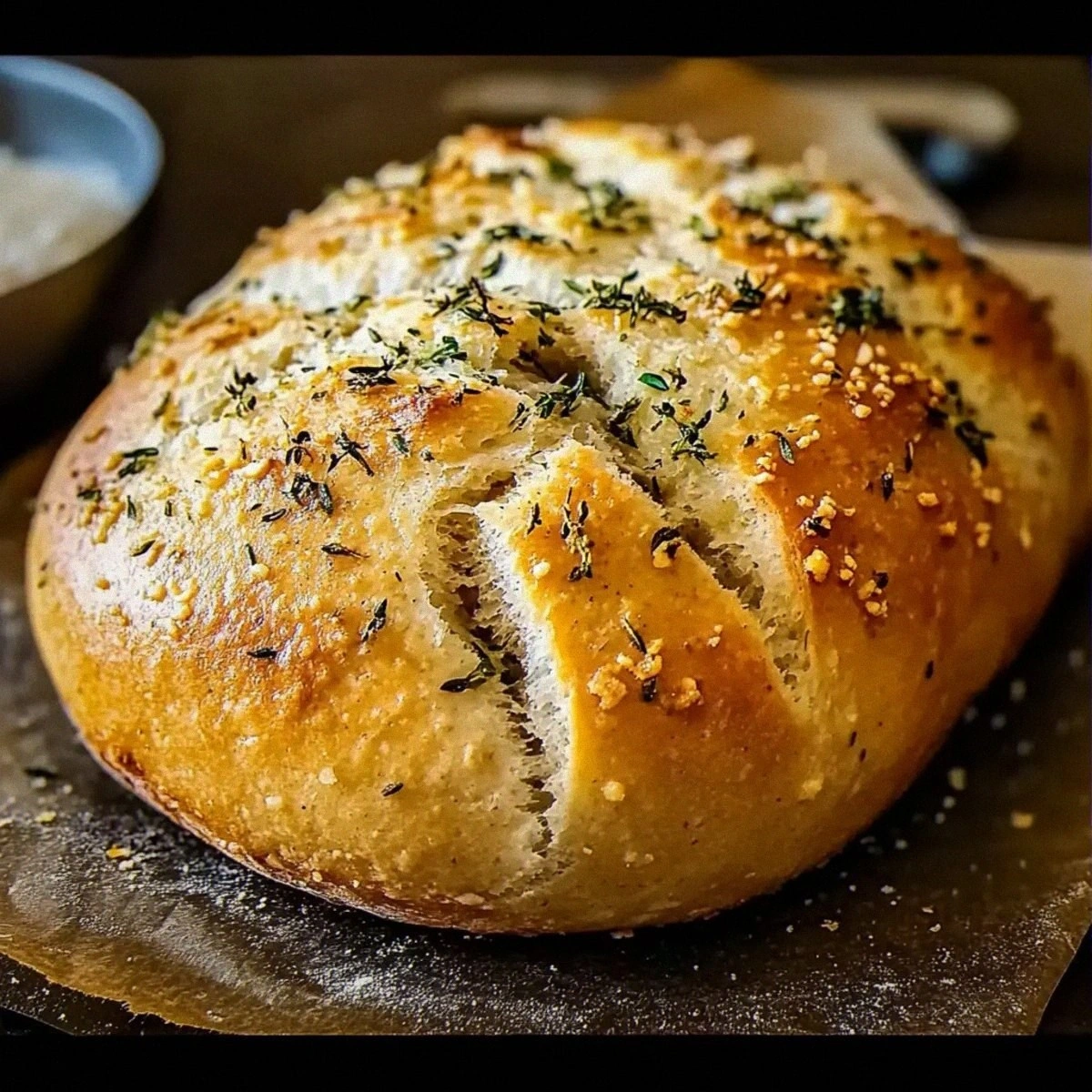
It was a chilly Saturday morning in November, the kind of day when the kitchen feels like the coziest corner of the world. I remember the moment I pulled the first loaf of garlic parmesan herb bread out of the oven – the crust crackled like a fresh snowflake, and a cloud of buttery, garlicky steam rose, wrapping the whole house in a scent that made my stomach growl in anticipation. The golden top glittered with melted parmesan, speckles of fresh herbs glistening like tiny emerald jewels, and the soft, airy interior promised a melt‑in‑your‑mouth experience that I could not wait to share with my family. As I sliced through that crust, the knife met a tender crumb that gave way with a whisper of steam, and the first bite was an instant hug for my taste buds.
What makes this loaf so unforgettable? It’s the marriage of simple pantry staples with a few fresh touches that elevate everything to restaurant‑level decadence. The garlic is not just a flavor; it’s an aromatic bridge that carries the sharp bite of parmesan and the fragrant lift of herbs straight to the heart of the bread. And the secret? A gentle hand‑kneading technique that creates a light, airy crumb while keeping the crust delightfully crisp – a balance that many bakers chase but few master. Have you ever wondered why the same recipe can taste so different from one kitchen to another? The answer lies in the little details we’ll uncover together, and trust me, you’ll want to try them all.
But wait – there’s a hidden trick that transforms an ordinary loaf into a daily obsession, and I’m saving it for the middle of the process so you stay on the edge of your seat. Imagine serving this warm, fragrant bread alongside a simple soup, a hearty stew, or even just a bowl of olive oil for dipping; the possibilities are endless, and each bite feels like a celebration of comfort and flavor. The best part? This recipe is forgiving enough for beginners yet sophisticated enough to impress the most discerning guests. So, are you ready to bring this aromatic masterpiece into your home?
Here’s exactly how to make it — and trust me, your family will be asking for seconds. Grab your apron, preheat that oven, and let’s embark on a flavorful adventure that will have you reaching for the dough again tomorrow, and the day after that.
🌟 Why This Recipe Works
- Flavor Depth: The combination of fresh garlic, sharp parmesan, and aromatic herbs creates layers of taste that develop as the bread bakes, delivering a complex yet comforting profile.
- Texture Harmony: A crisp, golden crust contrasts beautifully with a soft, pillowy interior, giving you that satisfying bite every time you slice into it.
- Ease of Execution: With just a few basic steps and common pantry ingredients, even a novice baker can achieve bakery‑level results without a steep learning curve.
- Time Efficiency: The dough rises quickly, and the baking time is under 30 minutes, making it perfect for weekday meals or spontaneous gatherings.
- Versatility: This bread pairs effortlessly with soups, salads, pasta dishes, or can stand alone as a savory snack, adapting to any meal plan you have in mind.
- Nutrition Boost: Parmesan adds a protein punch and calcium, while fresh herbs contribute antioxidants, making the loaf a slightly healthier indulgence.
- Ingredient Quality: Using fresh herbs and high‑quality parmesan elevates the flavor, turning humble ingredients into a gourmet experience.
- Crowd‑Pleaser Factor: The aroma alone draws people to the kitchen, and the taste keeps them coming back for more – it’s the kind of bread that turns a simple dinner into a memorable event.
🥗 Ingredients Breakdown
The Foundation
The base of any great bread starts with flour, yeast, water, and salt. 3 cups all‑purpose flour provides just the right amount of gluten to give the loaf its structure while keeping it tender. 2 teaspoons yeast is the magic agent that creates those airy bubbles, turning a simple mixture into a light, fluffy masterpiece. 1 cup warm water awakens the yeast, and the temperature is crucial – too hot and you’ll kill the yeast; too cold and the dough will rise sluggishly. Finally, 1 teaspoon salt enhances the flavor and strengthens the gluten network, ensuring the crumb stays cohesive.
Aromatics & Spices
Garlic is the star of this show. 4 cloves garlic, finely minced, release a pungent aroma that becomes mellow and sweet as it bakes, infusing the entire loaf. The 2 tablespoons olive oil not only adds richness but also helps the garlic distribute evenly, preventing any bitter pockets. Olive oil also contributes to a softer crust, making each bite buttery and satisfying.
The Secret Weapons
1 cup parmesan cheese is the secret that transforms this bread from ordinary to extraordinary. Its sharp, nutty flavor melts into the dough, creating pockets of cheesy goodness that ooze out with every slice. The cheese also contributes a beautiful golden hue to the crust, making it visually appealing. 2 tablespoons fresh herbs – think a blend of parsley, thyme, and a hint of rosemary – add a bright, earthy note that cuts through the richness of the cheese and garlic.
Finishing Touches
A drizzle of olive oil just before baking gives the crust an extra sheen and helps the herbs adhere, while a sprinkle of extra parmesan on top adds a crunchy, cheesy crown. If you’re feeling adventurous, a pinch of flaky sea salt can be added right before the loaf goes into the oven for an added pop of flavor. Selecting the best ingredients makes all the difference: choose a sharp, aged parmesan for depth, and pick herbs that are vibrant and fragrant – a wilted bunch won’t deliver the same punch.
With your ingredients prepped and ready, let's get cooking. Here's where the fun really begins...
🍳 Step-by-Step Instructions
🔐 Expert Tips for Perfect Results
The Taste Test Trick
Before you bake, give the dough a quick “finger test”: press a fingertip into the surface; if the indentation springs back slowly, the gluten is perfectly developed. I once served a loaf that felt too dense because I skipped this test, and the feedback was a gentle reminder to trust my senses. This simple check ensures the crumb will be airy and light, just as you envision.
Why Resting Time Matters More Than You Think
Allowing the dough to rest after kneading and again after shaping gives the gluten strands time to relax, resulting in a tender crumb. When I first started, I rushed the second rest and ended up with a bread that was a bit chewy – not the soft, melt‑in‑your‑mouth texture I was aiming for. Patience here pays off in every bite.
The Seasoning Secret Pros Won’t Tell You
A pinch of flaky sea salt added just before baking amplifies the savory notes of garlic and cheese, creating a subtle “pop” that makes the palate dance. I discovered this trick after a chef friend whispered it to me during a dinner party, and it instantly upgraded my humble loaf to a gourmet treat. Try it and notice the difference.
How to Keep the Crust Crispy
Place a shallow pan of hot water on the lower rack of the oven while the bread bakes. The steam created keeps the crust from hardening too quickly, allowing it to expand fully before forming that perfect crunch. I once baked a loaf without steam and ended up with a crust that was too thick and chewy – a simple adjustment that changed everything.
The Final Slice – Timing Is Everything
Wait at least 10 minutes after removing the bread from the oven before slicing. This short rest lets the interior finish setting, preventing a gummy texture. Trust me on this one: a hasty slice can ruin the delicate crumb, while a patient wait rewards you with clean, beautiful cuts that showcase the cheese‑laden interior.
🌈 Delicious Variations to Try
One of my favorite things about this recipe is how versatile it is. Here are some twists I've tried and loved:
Cheesy Jalapeño Kick
Add 1 finely chopped jalapeño and a handful of shredded cheddar to the cheese mixture for a spicy, melty surprise. The heat balances the garlic, creating a bold flavor profile perfect for game nights.
Sun‑Dried Tomato & Basil
Replace the fresh herbs with ¼ cup chopped sun‑dried tomatoes and a tablespoon of fresh basil. The tangy tomatoes bring a Mediterranean flair, while basil adds a sweet, aromatic finish.
Olive & Rosemary Delight
Stir in ½ cup sliced Kalamata olives and 1 teaspoon finely chopped rosemary into the dough before the final rise. The olives add briny depth, and rosemary contributes a piney aroma that pairs beautifully with the parmesan.
Sweet Honey & Herb
Drizzle a thin layer of honey over the top just before baking and sprinkle with thyme. The honey caramelizes, creating a subtle sweet‑savory contrast that’s perfect for brunch.
Whole‑Wheat Rustic Version
Swap half of the all‑purpose flour for whole‑wheat flour and add a tablespoon of honey to the dough. This gives the loaf a nutty flavor and a denser crumb, ideal for those who love a heartier bite.
📦 Storage & Reheating Tips
Refrigerator Storage
Allow the bread to cool completely, then wrap it tightly in plastic wrap or store it in an airtight container. It will stay fresh for up to three days, retaining its soft interior and flavorful crust. If you notice the crust losing its crunch, a quick 5‑minute blast in a preheated oven will revive it.
Freezing Instructions
Slice the loaf before freezing for easy portioning. Place the slices in a freezer‑safe bag, removing as much air as possible, and freeze for up to two months. When you’re ready to enjoy, simply toast the slices directly from frozen – the heat will bring back that fresh‑baked aroma.
Reheating Methods
To reheat without drying out, lightly mist the bread with water, wrap it in foil, and warm it in a 350°F (175°C) oven for 10‑12 minutes. The splash of water creates steam, keeping the crumb moist while the foil protects the crust from becoming too hard. For a quicker fix, a toaster oven works wonders for individual slices.
❓ Frequently Asked Questions
Can I use instant yeast instead of active dry yeast?
What if I don’t have fresh herbs?
How can I make the crust extra crunchy?
Can I add cheese other than parmesan?
Is it okay to use whole‑wheat flour?
What’s the best way to freeze the bread?
Can I make this dough in a stand mixer?
How long can the dough be left to rise?
Transfer the shaped loaf onto a parchment‑lined baking sheet. Using a sharp knife or razor blade, make a few shallow slashes on the top – this allows steam to escape and creates that classic artisan look. Brush the entire surface with a final drizzle of olive oil and sprinkle a handful of extra parmesan for a crunchy crown.
Preheat your oven to 425°F (220°C). Place the loaf in the middle rack and bake for 20‑25 minutes, or until the crust turns a deep golden brown and the cheese on top bubbles and caramelizes. Listen for that faint crackling sound as the crust sets – that’s your cue that the bread is nearly done.
Remove the bread from the oven and let it rest on a cooling rack for at least 10 minutes. This resting period lets the steam settle, making it easier to slice without tearing. As you cut into the loaf, notice the steam rising, the cheese stretching, and the fragrant herbs releasing their perfume – a true sensory celebration.
Serve warm, either on its own or with a dip of olive oil and a pinch of flaky sea salt. Go ahead, take a taste — you’ll know exactly when it’s right. The best part? This bread stays delicious for a day or two, and you can even freeze slices for later indulgence. And that’s not all – stay tuned for the expert tips that will take your next batch from great to unforgettable.
Similar Recipes
 Appetizers
Crunchy Ranch Chickpea Snack: A Wholesome Treat
Delicious Crunchy Ranch Chickpea Snack: A Wholesome Treat
 Appetizers
Nutty Delight Energy Balls: A Wholesome Snack That Packs a Punch
Delicious Nutty Delight Energy Balls: A Wholesome Snack That Packs a Punch
 Appetizers
Knuspriges Keto Garlic Flatbread in 30 Minuten perfekt
Learn how to make delicious Knuspriges Keto Garlic Flatbread in 30 Minuten perfekt. Easy recipe with…
 Appetizers
Irresistible Pumpkin and Apple Cider Donuts Recipe
Learn how to make delicious Irresistible Pumpkin and Apple Cider Donuts Recipe. Easy recipe with step-by-step…
 Appetizers
Spicy Hatch Chili Chicken Snack Wraps
Delicious Spicy Hatch Chili Chicken Snack Wraps
 Appetizers
Spooky Monster Meatballs: An Amazing Ultimate Recipe for Halloween
Learn how to make delicious Spooky Monster Meatballs: An Amazing Ultimate Recipe for Halloween. Easy recipe…
 Appetizers
Grilled Corn Salad Fiesta: A Colorful and Flavorful Summer Delight
Delicious Grilled Corn Salad Fiesta: A Colorful and Flavorful Summer Delight
 Appetizers
Wild Herb Couscous Bites: A Versatile Snack or Appetizer
Delicious Wild Herb Couscous Bites: A Versatile Snack or Appetizer

Susan
I cook these recipes at home before they ever land here — simple ingredients, clear steps.