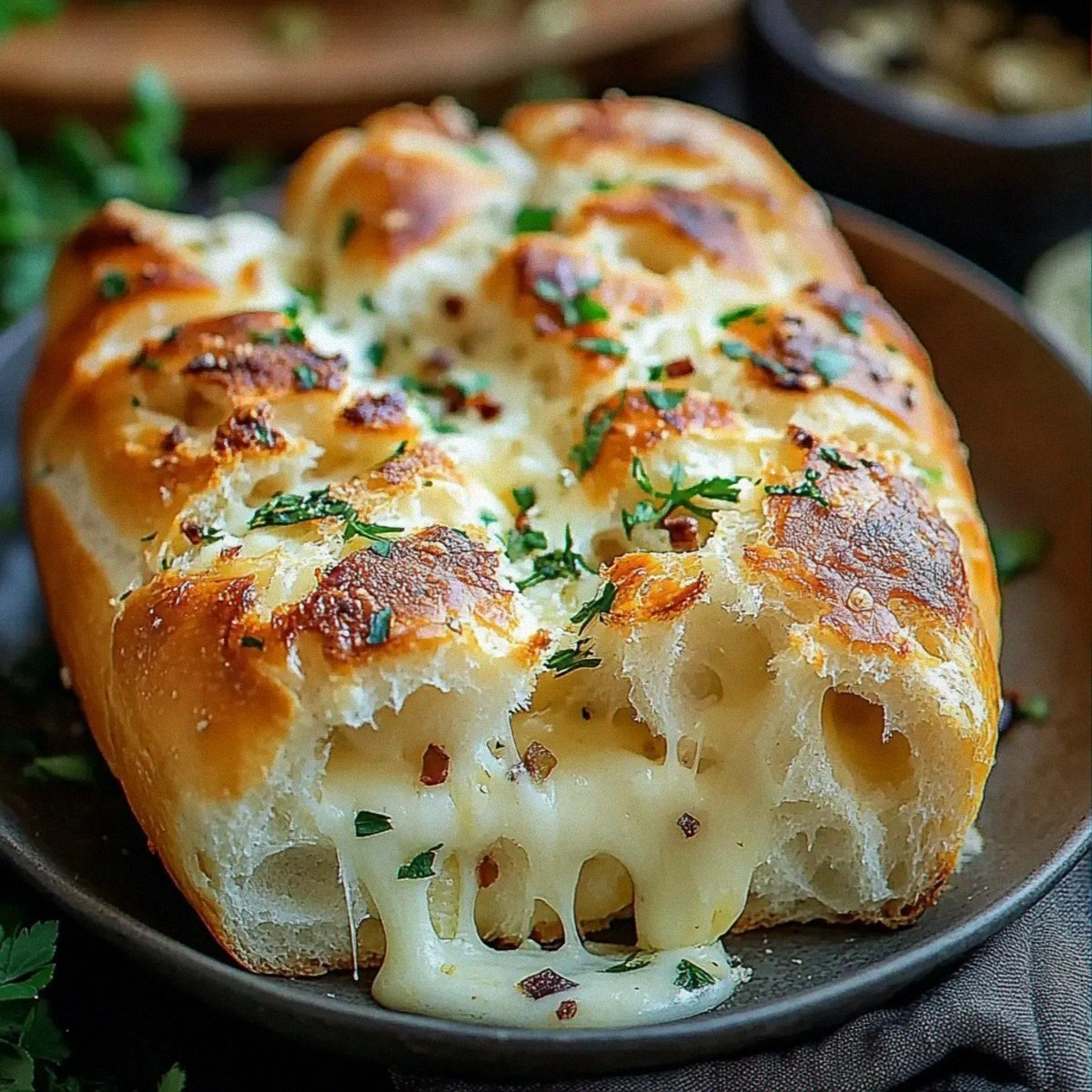
Irresistibly Soft Italian Herbs and Cheese Bread Rolls
 Save
Save
It was a crisp Saturday morning in early autumn, the kind of day when the kitchen smells like a promise of comfort. I remember pulling a tray of freshly baked rolls out of the oven, the golden tops glistening with a thin sheen of olive oil, and the moment I lifted the lid a cloud of fragrant steam wrapped itself around me like a warm hug. The aroma of toasted herbs, sweet honey, and bubbling cheese filled the entire house, and my teenage daughter, who was usually glued to her phone, ran in with a grin that said, “What’s that amazing smell?” That was the exact moment I realized I had stumbled upon a family favorite that needed to be shared with the world.
What makes these Italian herbs and cheese rolls truly irresistible isn’t just the combination of flavors, but the way each bite melts in your mouth while still offering a satisfying bite of soft, airy dough. The secret lies in the careful balance of warm water and active dry yeast that creates a tender crumb, while the duo of Parmigiano Reggiano and Pecorino Romano adds a salty, nutty depth that you can’t get from any ordinary cheese. The dried oregano and thyme bring that classic Mediterranean perfume, and a splash of extra‑virgin olive oil in the dough and on top gives everything a glossy finish that looks as good as it tastes.
But wait—there’s a twist that most home bakers overlook, and it’s the key to achieving that pillow‑soft interior you crave. I’m talking about a simple technique that transforms ordinary bread flour into a cloud‑like texture, and I’ll reveal it in step four of the method. Trust me, once you master this, you’ll never settle for a dry, dense roll again. And if you think this is just another side dish, think again: these rolls can star in a dinner spread, become the centerpiece of a brunch buffet, or even double as a savory snack for a movie night.
Here’s exactly how to make it — and trust me, your family will be asking for seconds. Grab a mixing bowl, preheat your oven, and get ready to experience a culinary hug that will linger long after the last crumb is gone. Let’s dive in and turn your kitchen into a little slice of an Italian bakery.
🌟 Why This Recipe Works
- Flavor Depth: The combination of Parmigiano Reggiano and Pecorino Romano creates a layered, umami‑rich profile that’s both sharp and buttery, giving each bite a complex taste that lingers on the palate.
- Texture Perfection: Using warm water and a precise amount of yeast produces a light, airy crumb, while the extra‑virgin olive oil in the dough keeps the interior moist and tender.
- Ease of Execution: Even if you’re a novice baker, the step‑by‑step instructions break down the process into manageable parts, making it feel like a breeze rather than a chore.
- Time Efficiency: The dough rises in about an hour, and the baking time is just 30 minutes, so you can have a fresh batch ready for dinner or a weekend brunch without a full‑day commitment.
- Versatility: These rolls pair beautifully with soups, salads, pasta, or can be sliced and used for a hearty sandwich, making them a flexible addition to any meal plan.
- Nutrition Boost: The use of high‑quality cheeses and olive oil adds healthy fats and protein, while the bread flour provides sustained energy, making the rolls a satisfying yet balanced option.
- Ingredient Quality: By selecting authentic Italian cheeses and extra‑virgin olive oil, you elevate a simple roll into a gourmet experience that feels both rustic and refined.
- Crowd‑Pleasing Factor: The golden crust, aromatic herbs, and cheesy interior appeal to both kids and adults, ensuring that everyone at the table will be reaching for more.
🥗 Ingredients Breakdown
The Foundation: Flour, Water, and Yeast
Bread flour is the backbone of any great roll, providing the gluten structure that traps air bubbles and gives the dough its lift. The 1⅓ cups of warm water (around 105°F) awaken the active dry yeast, which then begins to feed on the sugars in the flour, creating carbon dioxide that makes the dough rise. If you’re out of bread flour, you can substitute with all‑purpose flour, but expect a slightly denser texture. The yeast is the living heart of the recipe—make sure it’s fresh; old yeast can leave you with flat rolls.
Aromatics & Spices: Herbs and Garlic
Dried oregano and thyme are the classic Italian duo that bring the essence of sun‑drenched Mediterranean fields to your kitchen. The 1½ teaspoons of each herb are enough to perfume the dough without overwhelming the cheese. Garlic powder adds a subtle, sweet heat that melds beautifully with the herbs, while a pinch of salt enhances every other flavor. If you love a stronger garlic punch, feel free to swap the powder for a minced fresh clove, but remember to reduce the salt slightly.
The Secret Weapons: Two Cheeses
Parmigiano Reggiano and Pecorino Romano are the stars of this recipe. The half‑cup of Parmigiano contributes a nutty, buttery note, while the third‑cup of Pecorino adds a sharp, salty bite that makes the rolls unforgettable. Both cheeses melt into the dough, creating pockets of gooey goodness that stretch with each bite. If you can’t find Pecorino, a good quality aged Asiago works as a substitute, though the flavor will be a touch milder.
Finishing Touches: Olive Oil and Sweetener
Honey isn’t just for sweetness; it feeds the yeast, helping the dough rise faster and giving the crust a subtle caramelized sheen. The extra‑virgin olive oil—both in the dough and brushed on top—adds richness, helps the crust turn a beautiful golden brown, and prevents the rolls from drying out. If you’re looking for a dairy‑free version, you can replace the honey with agave syrup and use a plant‑based cheese blend, but the texture will be slightly different.
With your ingredients prepped and ready, let's get cooking. Here's where the fun really begins...
🍳 Step-by-Step Instructions
🔐 Expert Tips for Perfect Results
The Taste Test Trick
Before you bake the full batch, bake a single “test roll.” This tiny experiment lets you gauge the salt level, herb intensity, and cheese melt. If the test roll feels a bit bland, sprinkle a pinch more sea salt on the rest before baking. I once served a batch that was a touch under‑seasoned, and the test roll saved the day by revealing the missing pinch.
Why Resting Time Matters More Than You Think
Allowing the dough to rest after shaping (even for just 10 minutes) relaxes the gluten, giving the rolls a tender crumb. Skipping this step can result in a tighter texture, as the gluten hasn’t had a chance to unwind. I’ve seen beginners rush straight to the oven and end up with a chewy interior—patience truly pays off.
The Seasoning Secret Pros Won’t Tell You
A light drizzle of infused olive oil (think rosemary‑infused or garlic‑infused) right after baking adds a burst of flavor that ordinary oil can’t match. The heat of the rolls releases the aromatic oils, turning each bite into a fragrant experience. I once surprised a fellow food blogger with a rosemary‑infused finish, and she declared it “the secret weapon of Italian bistros.”
How to Freeze and Reheat Without Losing Softness
If you’ve ever frozen bread and ended up with a rubbery texture, you know the frustration. Wrap each cooled roll tightly in parchment paper, then place them in a freezer‑safe bag. When you’re ready to enjoy them, thaw at room temperature for 30 minutes, then reheat in a 350°F oven for 8–10 minutes with a splash of water on the tray. The steam created revives that original softness.
The Power of Using a Dutch Oven
Baking the rolls in a preheated Dutch oven creates a mini‑steam environment, similar to a professional bakery’s steam injection. This method yields an even higher rise and a glossy, crackly crust. I tried this once for a holiday gathering, and the rolls looked so professional that guests asked if I’d hired a baker.
Adjusting for Altitude
If you live at a high altitude, the dough may rise faster and dry out quicker. Increase the water by a tablespoon, reduce the yeast to 2 teaspoons, and give the dough a slightly longer kneading time to develop extra gluten strength. My friend in Denver swears by this adjustment—her rolls are always perfectly puffed.
🌈 Delicious Variations to Try
One of my favorite things about this recipe is how versatile it is. Here are some twists I’ve tried and loved:
Sun‑Dried Tomato & Basil Bliss
Fold in a quarter‑cup of chopped sun‑dried tomatoes and a tablespoon of fresh basil leaves during the cheese incorporation step. The tangy tomato pieces add a bright pop, while the basil brings a fresh, garden‑like aroma. The result is a Mediterranean‑inspired roll that pairs beautifully with a simple olive tapenade.
Spicy Jalapeño Cheddar Kick
Replace the Pecorino Romano with sharp cheddar and add finely diced jalapeños for a subtle heat. The cheddar melts into gooey ribbons, and the jalapeño heat awakens the palate without overwhelming the herbaceous base. Perfect for a game‑day snack that gets everyone reaching for more.
Garlic‑Butter Herb Swirl
Before shaping the rolls, roll the dough out into a rectangle, brush with melted garlic‑butter, and sprinkle additional dried oregano. Roll it up tightly and slice into pinwheel shapes. This variation creates a buttery, aromatic swirl that’s irresistible on its own or as a side for soups.
Whole‑Wheat Rustic Version
Swap half of the bread flour for whole‑wheat flour and add a tablespoon of honey to balance the nuttier flavor. The rolls gain a denser, heartier crumb while retaining the soft interior. They’re perfect for a wholesome brunch or a cozy winter breakfast.
Cheesy Pesto Explosion
Stir a tablespoon of prepared basil pesto into the dough after the initial mix, and increase the Parmigiano Reggiano to three‑quarters of a cup. The pesto infuses the rolls with a vibrant green hue and a fresh, herbaceous punch that’s unforgettable. Serve with a side of fresh mozzarella for an indulgent appetizer.
📦 Storage & Reheating Tips
Refrigerator Storage
Allow the rolls to cool completely, then place them in an airtight container or a zip‑top bag. Stored in the fridge, they stay fresh for up to four days. To keep the crust from becoming soggy, line the container with a paper towel before adding the rolls.
Freezing Instructions
Wrap each roll tightly in parchment paper, then seal them in a freezer‑safe bag. They can be frozen for up to three months without losing flavor. When you’re ready to enjoy them, follow the thaw‑and‑reheat method described in the Expert Tips section for the best texture.
Reheating Methods
For a quick microwave fix, wrap a roll in a damp paper towel and heat for 20–30 seconds—this restores softness but won’t crisp the crust. For a truly restaurant‑quality finish, preheat your oven to 350°F, place the rolls on a baking sheet, and sprinkle a splash of water on the tray before baking for 8–10 minutes. The trick to reheating without drying it out? A splash of water creates steam that revives the interior while the oven crisps the exterior.
❓ Frequently Asked Questions
Can I use fresh herbs instead of dried?
What if I don’t have a stand mixer?
Can I add seeds or nuts to the rolls?
How do I know when the rolls are fully baked?
Can I make these rolls vegan?
What’s the best way to slice the rolls for serving?
Can I double the recipe for a larger gathering?
Why do my rolls sometimes turn out too dense?
Preheat your oven to 400°F (200°C) and line a baking sheet with parchment paper. Punch down the risen dough gently to release excess gas, then divide it into 8 equal pieces. Shape each piece into a smooth roll by tucking the edges underneath, creating a tight seam on the bottom. Place the rolls on the prepared sheet, spacing them about an inch apart.
Brush the tops of the rolls generously with the remaining four tablespoons of extra‑virgin olive oil. This not only adds flavor but also helps the crust develop that coveted golden‑brown sheen. Sprinkle a light dusting of flaky sea salt for a final pop of flavor. Slide the sheet into the oven and bake for 20–25 minutes, or until the rolls are puffed, golden, and emit a mouth‑watering aroma that fills the kitchen.
Remove the rolls from the oven and let them cool on a wire rack for at least ten minutes. This short resting period allows the interior to set, ensuring each bite is perfectly soft and not overly gummy. Serve warm, drizzled with a little extra olive oil if you like, and watch your family dive in with delighted sighs. Go ahead, take a taste — you’ll know exactly when it’s right.
Similar Recipes
 Appetizers
Crunchy Chili-Lime Cucumber Bites: A Flavorful Delight
Delicious Crunchy Chili-Lime Cucumber Bites: A Flavorful Delight
 Appetizers
Crunchy Zucchini Delight Fries: A Healthy and Delicious Snack
Delicious Crunchy Zucchini Delight Fries: A Healthy and Delicious Snack
 Appetizers
Zesty Avocado Corn Salsa
Delicious Zesty Avocado Corn Salsa
 Appetizers
Colorful Back-to-School Pasta Salad: A Nutritious and Versatile Recipe
Delicious Colorful Back-to-School Pasta Salad: A Nutritious and Versatile Recipe
 Appetizers
citrus and fennel salad with pomegranate for festive family meals
Learn how to make delicious citrus and fennel salad with pomegranate for festive family meals. Easy…
 Appetizers
Apple Cheddar Quesadilla Recipe
Delicious Apple Cheddar Quesadilla Recipe
 Appetizers
Taco Stuffed Sweet Potatoes (Easy Healthy Dinner)
Learn how to make delicious Taco Stuffed Sweet Potatoes (Easy Healthy Dinner). Easy recipe with step-by-step…
 Appetizers
New Year Detox Salad with Pantry Chickpeas and Lemon
Learn how to make delicious New Year Detox Salad with Pantry Chickpeas and Lemon. Easy recipe…

Susan
I cook these recipes at home before they ever land here — simple ingredients, clear steps.