Jerk Shrimp Fettuccine
 Save
Save
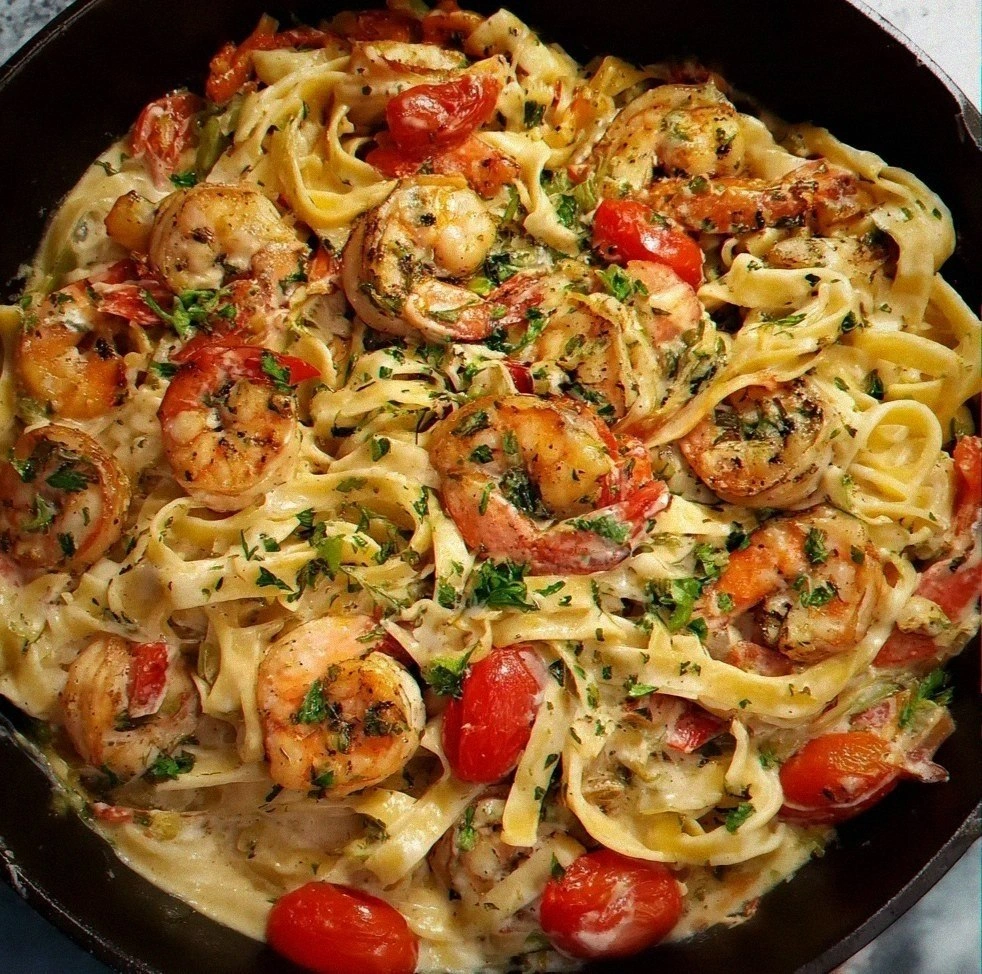
I still remember the first time I tasted a bite of my grandmother’s Caribbean kitchen on a breezy summer evening. The scent of smoky wood, the sweet heat of allspice and scotch bonnet, and the sound of waves crashing nearby created a memory that still makes my mouth water. When I decided to marry that island vibe with the comfort of creamy pasta, the idea of Jerk Shrimp Fettuccine was born. The moment you lift the lid on the skillet, a cloud of fragrant steam hits you—spicy, buttery, and impossibly inviting. It’s the kind of aroma that makes you pause whatever you’re doing and stare at the pot like a kid waiting for Christmas.
What makes this dish truly special is the way it balances bold Caribbean flavors with the silky richness of a classic fettuccine alfredo. The shrimp, coated in a generous dusting of jerk seasoning, brings a smoky heat that sings with every bite, while the heavy cream and Parmesan create a luxurious sauce that clings lovingly to each ribbon of pasta. Imagine the contrast: the snap of perfectly cooked shrimp against the velvety noodles, punctuated by bright green onions that add a fresh crunch. The dish is both a celebration of spice and a comforting hug on a plate—perfect for a weeknight dinner or a weekend gathering.
But there’s more to this recipe than just flavor fireworks. I’ve refined each step over countless family gatherings, learning the little secrets that turn a good dish into an unforgettable one. There’s a hidden trick in the way you toast the garlic that will make the sauce sing, and a timing hack that ensures the shrimp stay juicy and never turn rubbery. You’ll discover why I always finish the dish with a splash of fresh lemon juice—trust me, it’s a game‑changer. And wait until you see the secret ingredient I add at the very end; it’s the thing that makes the whole plate glow with flavor.
Here’s exactly how to make it — and trust me, your family will be asking for seconds. Grab your apron, preheat your skillet, and get ready to dive into a culinary adventure that blends the tropics with Italian comfort. The steps are simple, the ingredients are approachable, and the result is a plate that feels both exotic and homey. Ready? Let’s get cooking and uncover the magic behind every bite.
🌟 Why This Recipe Works
- Flavor Depth: The combination of jerk seasoning and creamy Parmesan creates layers of taste that evolve as you eat. Each forkful starts with a burst of spice, then mellows into buttery richness, keeping your palate engaged.
- Texture Harmony: The al dente fettuccine provides a satisfying chew, while the shrimp offers a firm snap. This contrast makes every bite interesting and prevents the dish from feeling one‑dimensional.
- Ease of Execution: Despite its sophisticated flavor profile, the recipe uses just a handful of pantry staples and can be completed in under an hour. Even busy weeknights become an opportunity for gourmet cooking.
- Time Efficiency: While the sauce simmers, the shrimp cooks quickly, allowing you to multitask and keep the kitchen humming without feeling rushed.
- Versatility: You can swap the protein, adjust the heat level, or even turn it into a baked casserole. The core concept adapts to dietary preferences and seasonal produce.
- Nutrition Balance: Lean protein from shrimp, healthy fats from olive oil and cream, and a modest carb base make this a well‑rounded meal that satisfies without overloading.
- Ingredient Quality: Each component shines—fresh shrimp, high‑quality Parmesan, and authentic jerk seasoning—so the dish feels luxurious without needing exotic ingredients.
- Crowd‑Pleasing Factor: The spicy‑creamy combo appeals to a wide range of taste buds, making it a safe bet for dinner parties, family meals, or even a romantic date night.
🥗 Ingredients Breakdown
The Foundation: Pasta & Cream
Fettuccine is the perfect canvas for this dish because its wide, flat ribbons hold onto the creamy sauce better than thinner noodles. The 8 oz portion ensures each serving gets a generous coating without becoming soggy. I always recommend using a high‑quality durum wheat fettuccine; it has a firm bite that stands up to the rich sauce. If you’re looking for a gluten‑free option, try a rice‑based fettuccine, but be aware it may absorb the sauce a bit faster, so you might need to add a splash of extra cream at the end.
Heavy cream is the heart of the sauce, delivering that luxurious mouthfeel we all love. The 1 cup amount creates a velvety texture that clings to every strand of pasta. For a lighter version, you can substitute half‑and‑half, but keep in mind the sauce will be slightly less thick. The key is to let the cream reduce gently, allowing the flavors to concentrate without scorching.
Aromatics & Spices: Garlic & Jerk Seasoning
Three cloves of minced garlic bring an aromatic base that balances the heat of the jerk seasoning. Garlic releases a sweet, caramelized flavor when sautéed, creating a fragrant foundation that makes the sauce irresistible. If you love a deeper, roasted garlic note, try roasting the cloves beforehand; it adds a subtle sweetness that pairs beautifully with the spice.
Jerk seasoning is the star of the show, delivering that unmistakable island punch of allspice, thyme, and fiery chilies. The two‑tablespoon measurement is enough to coat the shrimp without overwhelming the cream. Feel free to adjust the amount based on your heat tolerance—add a pinch more for a bold kick, or halve it for a milder profile. Freshly ground black pepper also adds a subtle heat that complements the jerk blend.
The Secret Weapons: Olive Oil & Parmesan
Olive oil does double duty: it helps sear the shrimp to a golden perfection and adds a fruity undertone that rounds out the spice. Using a good extra‑virgin olive oil ensures you get that bright, peppery finish. If you prefer a higher smoke point, a light olive oil or even avocado oil works just as well for the searing step.
Parmesan cheese, grated fresh, brings a salty, nutty depth that anchors the sauce. The half‑cup amount melts into the cream, thickening it and adding that signature umami. For a twist, you can blend in a bit of Pecorino Romano for an extra sharp edge, but be careful not to overpower the delicate balance of flavors.
Finishing Touches: Bell Pepper, Green Onions & Seasoning
A crisp, colorful bell pepper sliced into thin strips adds a sweet crunch that contrasts the soft shrimp and creamy noodles. I love using a red or orange pepper for a pop of color that makes the plate look as vibrant as it tastes. If you’re feeling adventurous, try a mix of yellow and red for a rainbow effect.
Chopped green onions bring a fresh, slightly oniony bite that lifts the dish just before serving. Their bright green hue also adds visual appeal, making the plate feel restaurant‑ready. Finally, a pinch of salt and pepper to taste ensures the flavors are perfectly balanced; always taste the sauce before plating and adjust as needed.
With your ingredients prepped and ready, let's get cooking. Here's where the fun really begins...
🍳 Step-by-Step Instructions
🔐 Expert Tips for Perfect Results
The Taste Test Trick
Before you add the final pinch of salt, take a tiny spoonful of the sauce and let it cool for a few seconds. The flavors become more pronounced as the temperature drops, allowing you to gauge whether you need more seasoning. This simple pause can be the difference between a good dish and a show‑stopping one.
Why Resting Time Matters More Than You Think
After plating, let the pasta sit for about two minutes. This short rest lets the sauce thicken slightly and cling better to each strand, preventing it from sliding off the fork. I once served the dish straight from the pan, and the sauce was too runny—now I always give it that brief pause.
The Seasoning Secret Pros Won’t Tell You
A dash of smoked paprika added at the end of cooking adds a subtle, lingering smokiness that mimics the traditional wood‑smoked jerk flavor. It’s a hidden layer that most home cooks miss, but once you try it, you’ll wonder how you ever cooked without it.
Balancing Heat and Cream
If you love heat, add a pinch of cayenne or a few drops of hot sauce right before serving. The key is to balance it with the richness of the cream, so the spice doesn’t overpower the delicate pasta. I’ve learned that a little heat goes a long way, especially when paired with the mellow cream.
The Power of Fresh Herbs
Finishing the dish with a handful of fresh cilantro or basil adds an aromatic lift that brightens the entire plate. I once served this dish to a friend who’s a professional chef, and he praised the fresh herb finish as “the perfect finishing touch.”
🌈 Delicious Variations to Try
One of my favorite things about this recipe is how versatile it is. Here are some twists I've tried and loved:
Tropical Coconut Cream
Replace half of the heavy cream with coconut milk for a subtle island vibe. The coconut adds a sweet undertone that pairs beautifully with the jerk spices, creating a richer, more exotic flavor profile.
Smoky Bacon & Shrimp
Crisp up 4 slices of bacon, crumble them, and stir them into the sauce just before serving. The salty, smoky bacon amplifies the jerk seasoning’s depth and adds a crunchy texture that contrasts the tender shrimp.
Veggie‑Packed Delight
Add sliced zucchini, cherry tomatoes, and baby spinach to the skillet after the garlic. These veggies not only boost the nutritional value but also add color and freshness, making the dish feel lighter.
Spicy Mango Salsa Finish
Top each serving with a spoonful of fresh mango salsa (diced mango, red onion, lime juice, and cilantro). The sweet‑tart salsa cuts through the richness and adds a burst of tropical brightness.
Cheese Lover’s Twist
Stir in a handful of shredded mozzarella along with the Parmesan for an extra gooey, melty texture. This variation is perfect for those who love a cheesy pull‑apart experience.
📦 Storage & Reheating Tips
Refrigerator Storage
Allow the leftovers to cool to room temperature, then transfer them to an airtight container. Store in the fridge for up to three days. When reheating, add a splash of milk or cream to revive the sauce’s silkiness.
Freezing Instructions
Portion the dish into freezer‑safe bags, removing as much air as possible. Freeze for up to two months. To reheat, thaw overnight in the fridge, then gently warm in a skillet over low heat, stirring in a little extra cream to bring back the velvety texture.
Reheating Methods
The best way to reheat without drying out is on the stovetop. Use a non‑stick pan, add a tablespoon of olive oil, and toss the pasta until it’s heated through, adding a splash of pasta water if needed. Microwaving works in a pinch, but be sure to cover the dish and stir halfway through to ensure even heating.
❓ Frequently Asked Questions
Can I use frozen shrimp instead of fresh?
How spicy is the jerk seasoning?
Can I substitute the heavy cream?
What type of pasta works best?
Do I need to pre‑cook the bell pepper?
Can I make this dish vegetarian?
How do I prevent the sauce from separating?
What side dishes pair well with this?
Similar Recipes
 Dinner
Spaghetti Squash and Meatball Bake: A Hearty and Healthy Delight
Delicious Spaghetti Squash and Meatball Bake: A Hearty and Healthy Delight
 Dinner
Creamy Tomato Basil Tortellini: A Culinary Delight
Delicious Creamy Tomato Basil Tortellini: A Culinary Delight
 Dinner
Spicy Slow Cooker Jambalaya for NFL Playoffs
Learn how to make delicious Spicy Slow Cooker Jambalaya for NFL Playoffs. Easy recipe with step-by-step…
 Dinner
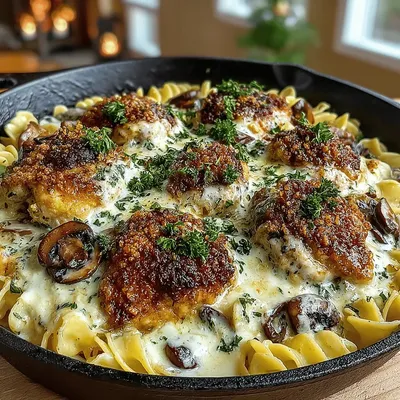
One-Skillet Creamy Mushroom and Chicken Delight
Delicious One-Skillet Creamy Mushroom and Chicken Delight
 Dinner
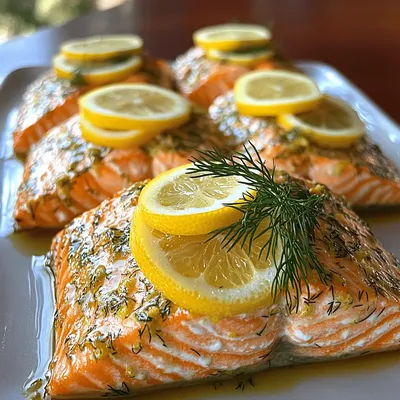
Lemon-Dill Baked Salmon Delight: A Flavorful and Healthy Recipe
Delicious Lemon-Dill Baked Salmon Delight: A Flavorful and Healthy Recipe
 Dinner
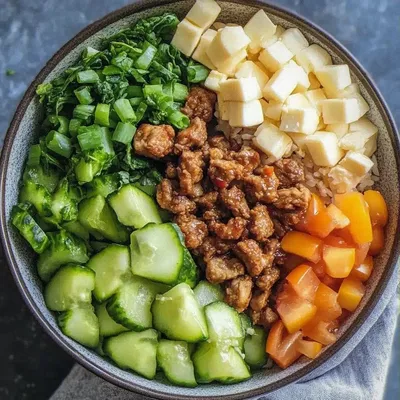
High Protein Power Bowl Ideas: The Ultimate 7 Amazing Recipes
Learn how to make delicious High Protein Power Bowl Ideas: The Ultimate 7 Amazing Recipes. Easy…
 Dinner
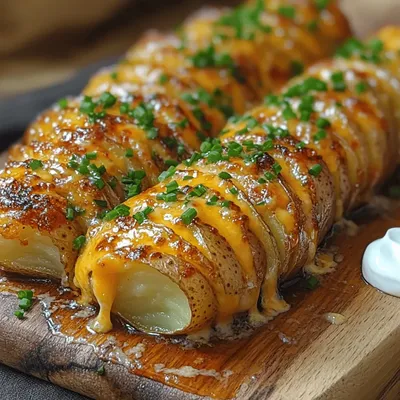
Cheesy Garlic Hasselback Potatoes Recipe
Delicious Cheesy Garlic Hasselback Potatoes Recipe
 Dinner
Cajun Potato Soup Recipe: Easy Creamy Comfort for Cozy Nights
Learn how to make delicious Cajun Potato Soup Recipe: Easy Creamy Comfort for Cozy Nights. Easy…

Susan
I cook these recipes at home before they ever land here — simple ingredients, clear steps.
Other Reader Favorites
 Breakfast
Green Goddess Scrambled Eggs: A Delicious Breakfast Twist!
Learn how to make delicious Green Goddess Scrambled Eggs: A Delicious Breakfast Twist!. Easy recipe with…
 Desserts
Zucchini Bread Bites: Back-to-School Delights!
Delicious Zucchini Bread Bites: Back-to-School Delights!
 Desserts
Zesty Baby Lemon Impossible Pies: A Delightful Treat
Delicious Zesty Baby Lemon Impossible Pies: A Delightful Treat
 Desserts
Heavenly Pumpkin Spice Delight Cake: A Taste of Autumn
Delicious Heavenly Pumpkin Spice Delight Cake: A Taste of Autumn