Perfecte kibbeling met knoflooksaus in slechts 30 minuten
 Save
Save
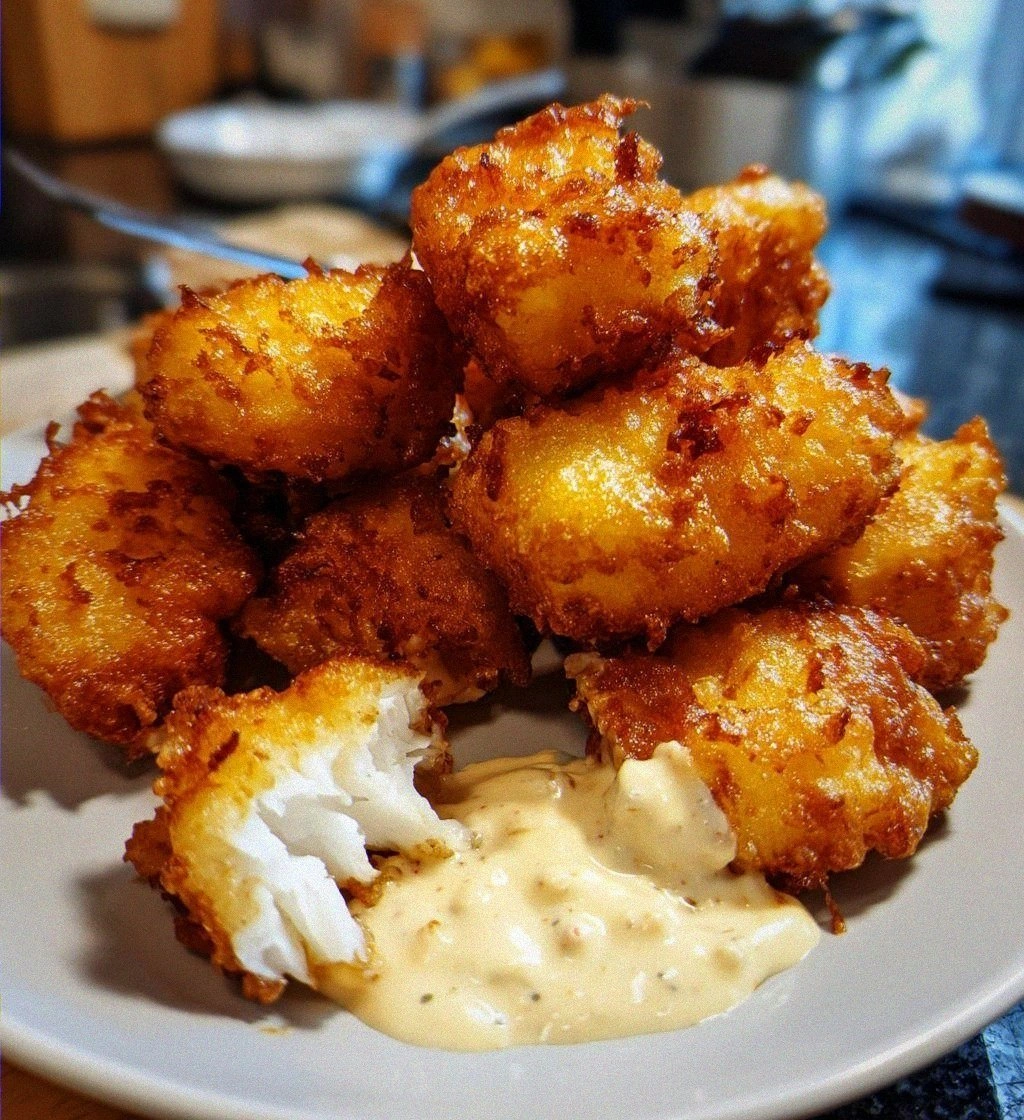
It was a breezy Saturday afternoon in late summer, and the scent of the sea drifted through the open windows of my tiny kitchen. I remember pulling out a battered sack of cod fillets, the golden crust of previous Dutch market stalls still vivid in my mind, and deciding to recreate that street‑food magic at home. The moment I lifted the lid of the pot, a cloud of fragrant steam hit me, carrying whispers of paprika, lemon zest, and the faintest hint of garlic that made my mouth water instantly. Have you ever felt that sudden rush of anticipation when you know something delicious is about to happen? That’s exactly the feeling you’ll get when you bite into these perfectly crisp kibbeling pieces paired with a velvety garlic sauce.
What makes this recipe truly special is its balance between speed and depth of flavor. In just 30 minutes you’ll have a dish that tastes like it’s been simmering in a seaside tavern for hours, thanks to a few secret tricks I’ll reveal later. Imagine the crunch of the batter giving way to tender, flaky fish, while the sauce sings with a creamy, garlicky tang that cuts through the richness like a bright citrus note. I’ve spent countless evenings perfecting the ratio of flour to cornstarch, the temperature of the oil, and the exact moment to toss the fish so that each bite is a symphony of texture and taste.
But there’s more to this story than just a quick snack. I once served this kibbeling to a group of friends who claimed they’d never had anything like it at home, and they kept asking for the recipe, insisting it reminded them of a childhood trip to the Dutch coast. That moment reminded me why sharing food is such a powerful connector—it bridges memories, cultures, and the simple joy of gathering around a plate. You’ll see how a few thoughtful tweaks can elevate a humble fish bite into a crowd‑pleasing centerpiece that even the pickiest eaters can’t resist.
Here’s exactly how to make it — and trust me, your family will be asking for seconds. I’ll walk you through each step, sprinkle in a few pro tips, and even share some variations that will keep this dish fresh in your rotation for years to come. Ready to dive in? Let’s get started, because the secret to that perfect crunch is just around the corner.
🌟 Why This Recipe Works
- Flavor Depth: The combination of paprika, garlic powder, and a splash of lemon zest builds layers of taste that develop as the fish fries, creating a savory‑bright profile that’s impossible to ignore.
- Texture Contrast: By using both flour and cornstarch, the coating achieves a light, airy crunch on the outside while keeping the interior moist and flaky, a technique often reserved for professional fry cooks.
- Ease of Execution: All the steps are designed for a home kitchen, requiring only a single pan and a few basic tools, so you won’t need a deep‑fryer or fancy equipment.
- Time Efficiency: With a total of 45 minutes from start to finish, this dish fits perfectly into a weeknight dinner or a weekend gathering without demanding a full‑day commitment.
- Versatility: The base batter can be tweaked with herbs or spices to match any cuisine, and the garlic sauce can double as a dip for veggies, fries, or even a sandwich spread.
- Nutrition Balance: While indulgent, the use of lean white fish provides high‑quality protein, and the sauce’s garlic and lemon add antioxidants and vitamin C.
- Ingredient Quality: Fresh cod and real garlic make a world of difference; the recipe highlights why sourcing good fish and aromatic staples is worth the extra effort.
- Crowd‑Pleasing Factor: Crispy, golden bites are universally loved, and the creamy garlic sauce adds a luxurious touch that turns a simple snack into a memorable experience.
🥗 Ingredients Breakdown
The Foundation
Fresh cod fillet (about 600 g) is the heart of kibbeling. Its mild flavor and flaky texture make it the perfect canvas for a bold, crunchy coating. If you can’t find cod, haddock or pollock work just as well, though the flavor will shift slightly toward a sweeter note. When choosing fish, look for firm flesh that springs back when pressed; this indicates freshness and will hold up better during frying.
All‑purpose flour (½ cup) provides structure, while cornstarch (¼ cup) lightens the batter, giving it that airy crunch. The tiny starch granules expand quickly in hot oil, creating pockets that keep the crust from becoming dense. If you’re gluten‑sensitive, a 1:1 blend of rice flour and tapioca starch works beautifully without sacrificing texture.
Aromatics & Spices
Paprika (1 tsp) adds a subtle smoky sweetness and a beautiful amber hue. Smoked paprika can be used for an extra depth of flavor, but regular sweet paprika keeps the color bright and inviting. Garlic powder (½ tsp) infuses the batter with a mellow garlicky aroma that complements the fresh garlic in the sauce.
A pinch of baking powder (¼ tsp) is the secret leavening agent that creates a light, puffy crust. It releases carbon dioxide when it hits the hot oil, forming those coveted air pockets. Salt and freshly cracked black pepper season the fish directly, ensuring every bite is well‑balanced.
The Secret Weapons
Lemon zest (from one medium lemon) brightens the batter, cutting through the richness of the fried fish and giving a fragrant citrus note that awakens the palate. Fresh parsley, finely chopped (1 tbsp), adds a pop of green color and a fresh herbaceous finish that lifts the whole dish.
For the garlic sauce, we rely on high‑quality mayonnaise (½ cup) as a creamy base. The sauce’s star is the roasted garlic cloves (3 large), which become sweet and mellow, providing a deep, caramelized flavor that’s far superior to raw garlic. A splash of fresh lemon juice (1 tbsp) adds acidity, while a pinch of smoked paprika in the sauce mirrors the batter’s flavor, creating harmony.
Finishing Touches
Vegetable oil (about 2 inches deep in the pan) is ideal for frying because of its high smoke point and neutral flavor. Use a deep‑skillet or a Dutch oven to maintain a consistent temperature. Finally, a small bowl of extra lemon wedges and a sprinkle of sea salt on the finished kibbeling give the final burst of flavor that makes the dish unforgettable.
With your ingredients prepped and ready, let's get cooking. Here’s where the fun really begins, and I’ll share a few insider secrets that will make your kibbeling stand out from the rest.
🍳 Step-by-Step Instructions
🔐 Expert Tips for Perfect Results
The Taste Test Trick
Before you fry the entire batch, test one piece in the oil. This mini‑experiment lets you gauge the exact seasoning balance and adjust the batter’s thickness if needed. I once under‑seasoned the batter, and the test piece saved the entire dinner from being bland.
Why Resting Time Matters More Than You Think
Let the coated fish sit for 5‑10 minutes after dipping in the batter before frying. This rest allows the coating to adhere better, reducing the chance of it falling off mid‑fry. I discovered this trick after a disastrous batch where the crust kept slipping, leaving the fish naked and soggy.
The Seasoning Secret Pros Won’t Tell You
Add a tiny splash of fish sauce (about ½ tsp) to the batter for an umami boost that’s barely perceptible but makes the flavor richer. It’s a secret I borrowed from a Dutch seafood chef who swears by it for that “extra depth” you can’t quite name.
Oil Management Mastery
After each batch, skim off any floating crumbs with a slotted spoon. Those crumbs can burn and give the next batch a bitter aftertaste. I once ignored this step and ended up with a slightly burnt flavor that lingered long after the meal.
Sauce Elevation
Fold in a teaspoon of Dijon mustard into the garlic sauce for a subtle tang that cuts through the richness. This tiny addition brightens the dip without overpowering the garlic, creating a balanced companion for the fried fish.
🌈 Delicious Variations to Try
One of my favorite things about this recipe is how versatile it is. Here are some twists I’ve tried and loved:
Spicy Sriracha Kick
Add 1 tsp of sriracha to the garlic sauce and a pinch of cayenne to the batter. The result is a fiery dip that makes the mild fish pop with heat, perfect for a game‑day snack.
Herb‑Infused Delight
Mix chopped dill and chives into the batter, and finish the sauce with a splash of white wine vinegar. This herbaceous version feels fresh and bright, ideal for spring gatherings.
Beer‑Battered Bliss
Replace sparkling water with a light lager. The beer’s carbonation and subtle malt flavor give the crust a richer, slightly sweet crunch that pairs wonderfully with a malt‑based dipping sauce.
Coconut‑Lime Twist
Swap half the flour for coconut flour and add lime zest to the batter. Serve with a lime‑infused garlic sauce for a tropical vibe that transports you to a beachside shack.
Cheesy Garlic Overload
Stir grated Parmesan into the batter and sprinkle extra cheese over the fried pieces just before serving. The cheese melts slightly, creating a gooey, indulgent layer that’s pure comfort food.
📦 Storage & Reheating Tips
Refrigerator Storage
Allow the kibbeling to cool completely, then place it in an airtight container lined with a paper towel to absorb excess moisture. Stored this way, it stays crisp for up to 2 days. The garlic sauce can be kept in a separate jar and will last 4‑5 days in the fridge.
Freezing Instructions
For longer storage, spread the cooled kibbeling on a baking sheet and freeze until solid, then transfer to a zip‑top freezer bag. This flash‑freeze method prevents the pieces from sticking together, making it easy to grab a handful later. The sauce freezes well in ice‑cube trays for portioned use.
Reheating Methods
To revive the crunch, reheat the kibbeling in a preheated oven at 200°C (400°F) for 8‑10 minutes, turning halfway through. For an extra‑fast fix, pop them in a hot air fryer for 3‑4 minutes. Add a splash of oil to the pan if you prefer stovetop reheating, but keep the heat moderate to avoid burning.
❓ Frequently Asked Questions
Can I use frozen fish instead of fresh?
What oil is best for frying kibbeling?
How do I know when the oil is at the right temperature?
Can I make the garlic sauce dairy‑free?
Why does my batter turn out gummy?
Is it okay to double the recipe?
Can I add herbs directly to the sauce?
What side dishes pair well with kibbeling?
Recipe Card
Similar Recipes
 Appetizers
Mini Veggie Pizza Tortilla Cups: A Delicious and Fun Recipe
Delicious Mini Veggie Pizza Tortilla Cups: A Delicious and Fun Recipe
 Appetizers
How to Make Impossible Cheeseburger Pie Fast
Learn how to make delicious How to Make Impossible Cheeseburger Pie Fast. Easy recipe with step-by-step…
 Appetizers
Slow Cooker Buffalo Chicken Dip
Learn how to make delicious Slow Cooker Buffalo Chicken Dip. Easy recipe with step-by-step instructions.
 Appetizers
Spanish Rice with Tomato and Chicken Broth
Learn how to make delicious Spanish Rice with Tomato and Chicken Broth. Easy recipe with step-by-step…
 Appetizers
Sweet and Spicy Peach Wraps: A Culinary Delight
Delicious Sweet and Spicy Peach Wraps: A Culinary Delight
 Appetizers
Peach Brioche 5 Steps Ultimate Delicious
Learn how to make delicious Peach Brioche 5 Steps Ultimate Delicious. Easy recipe with step-by-step instructions.
 Appetizers
Egg Custard Pie
Learn how to make delicious Egg Custard Pie. Easy recipe with step-by-step instructions.
 Appetizers
Crispy Chickpea Caesar Salad: A Flavorful Twist on a Classic
Delicious Crispy Chickpea Caesar Salad: A Flavorful Twist on a Classic

Susan
I cook these recipes at home before they ever land here — simple ingredients, clear steps.
Other Reader Favorites
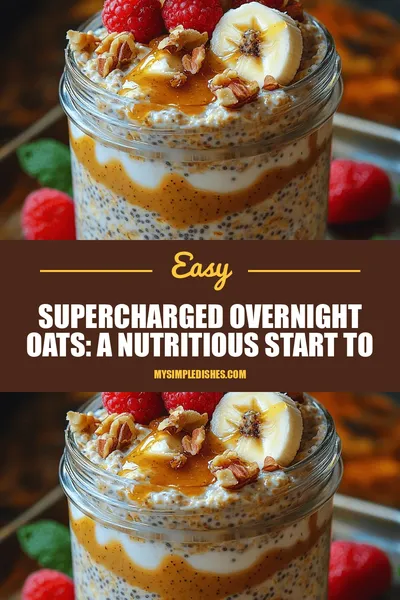 Breakfast
Supercharged Overnight Oats: A Nutritious Start to Your Day
Delicious Supercharged Overnight Oats: A Nutritious Start to Your Day
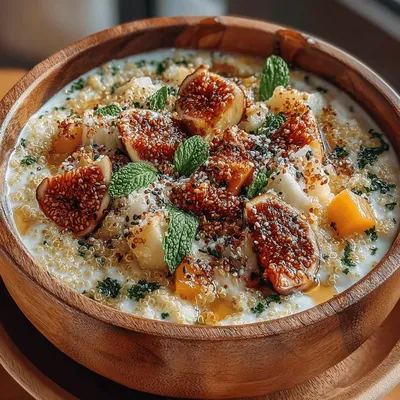 Desserts
Harvest Quinoa Pudding Delight: A Seasonal Treat
Delicious Harvest Quinoa Pudding Delight: A Seasonal Treat
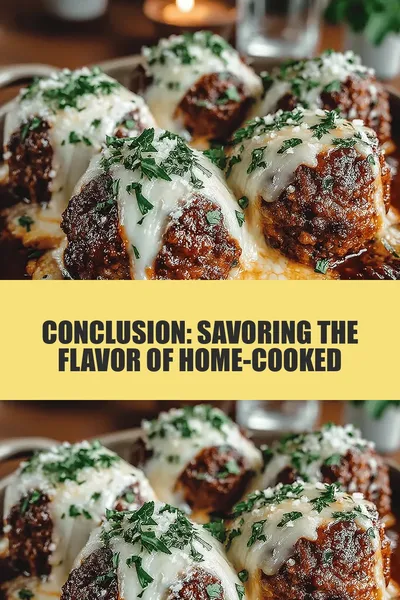 Dinner
Conclusion: Savoring the Flavor of Home-Cooked Comfort
Delicious Conclusion: Savoring the Flavor of Home-Cooked Comfort
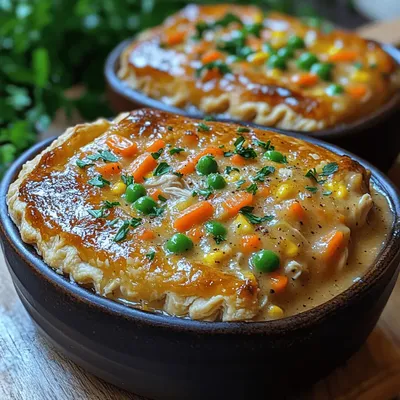 Dinner
Savory Comfort: Creamy Chicken Pot Pie Bowls
Delicious Savory Comfort: Creamy Chicken Pot Pie Bowls