The Best Strawberry Banana Bread Recipe You’ll Ever Make
 Save
Save
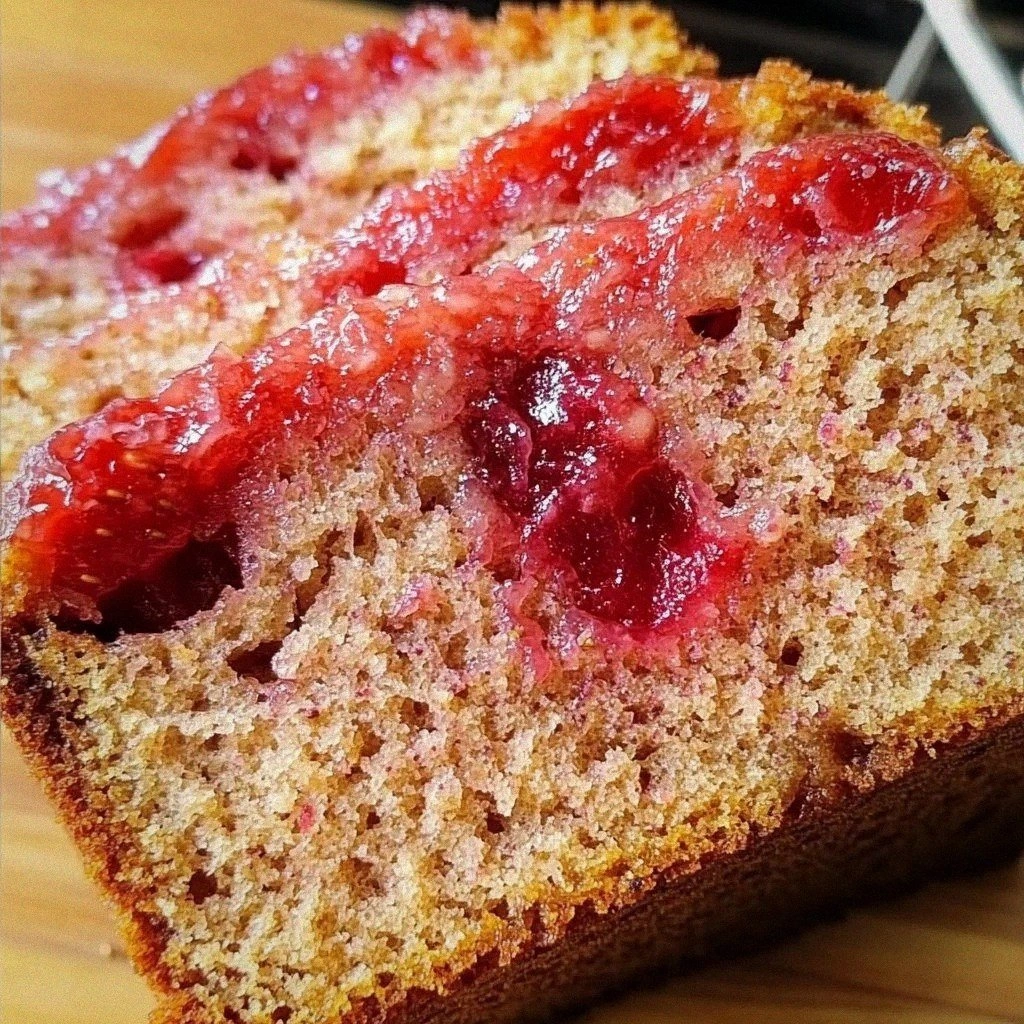
I still remember the first time I baked this strawberry‑banana bread, the sun was just beginning to dip behind the maple trees in my grandparents’ backyard, and the air was thick with the sweet perfume of ripe strawberries waiting to be picked. The moment I opened the oven door, a cloud of fragrant steam wrapped around me like a warm hug, carrying notes of caramelized butter, ripe banana, and that unmistakable pink blush of strawberry Jell‑O. It wasn’t just a loaf; it was a memory in the making, a slice of sunshine that could turn a rainy afternoon into a celebration. As the golden crust cracked just enough to reveal a moist, ruby‑streaked interior, I knew I had stumbled onto something truly special—something that would become a staple in my family’s kitchen for years to come.
What makes this recipe stand out from the countless banana breads you see online is the way it marries the comforting earthiness of banana with the bright, summery burst of strawberries, all lifted by a subtle hint of Jell‑O that adds a delicate sweetness without overwhelming the palate. The texture is a perfect balance between tender crumb and a slightly crisp edge, and the aroma is so inviting that even the most skeptical teenager will be drawn to the kitchen, pleading for a taste before the loaf even finishes cooling. Imagine the moment when you slice into a warm piece, the steam rising, the scent of butter and fruit dancing, and the first bite melting in your mouth with a perfect blend of flavors. That’s the magic we’re about to create together.
But wait—there’s a secret technique hidden in step four that takes this bread from “delicious” to “absolutely unforgettable.” I’ll reveal it later, and trust me, you’ll want to bookmark this page so you don’t miss it. Along the way, we’ll explore why each ingredient matters, how to avoid common pitfalls, and even some playful variations that will keep you coming back for more. You’ll also get a handy recipe card at the end, so you can print or save it for those days when you need a quick, comforting treat.
Ready to embark on this flavorful adventure? Here’s exactly how to make it — and trust me, your family will be asking for seconds, thirds, and maybe even a whole second loaf.
🌟 Why This Recipe Works
- Flavor Depth: The combination of fresh strawberries, ripe banana, and strawberry Jell‑O creates layers of sweetness that evolve with each bite, offering a bright, fruity top note that complements the buttery base.
- Moisture Balance: The sour cream and mashed banana introduce just enough moisture to keep the crumb tender without becoming soggy, while the butter adds richness.
- Texture Harmony: Baking powder and a pinch of baking soda give the loaf a gentle lift, resulting in a light, airy interior contrasted with a slightly crisp crust.
- Ease of Preparation: All the steps are straightforward, requiring only basic mixing techniques and a single pan, making it perfect for both beginners and seasoned bakers.
- Time Efficiency: With a total prep and cook time under an hour, you can have a fresh, homemade loaf ready for a weekend brunch or an after‑school snack.
- Versatility: This bread shines on its own, but it also pairs beautifully with a dollop of cream cheese, a drizzle of honey, or even a scoop of vanilla ice cream for an indulgent dessert.
- Nutrition Boost: The bananas provide potassium and natural sweetness, while the strawberries add vitamin C and antioxidants, giving you a treat that feels a bit healthier.
- Crowd‑Pleasing Factor: Its beautiful pink‑streaked crumb and familiar banana flavor make it a hit with kids, grandparents, and friends alike.
🥗 Ingredients Breakdown
The Foundation
The base of any great bread starts with butter, sugar, and eggs. ½ cup butter, softened provides the rich, creamy mouthfeel that makes each slice feel like a small indulgence. When the butter is at room temperature, it emulsifies smoothly with the sugar, creating a light, airy batter that traps air bubbles for a tender crumb. 1 cup white sugar not only sweetens the loaf but also contributes to browning, giving the crust that beautiful golden hue. The two eggs act as binders, adding structure and helping the loaf rise evenly while also adding a subtle richness that balances the fruit’s acidity.
Moisture Makers
4 tablespoons sour cream is the unsung hero here; its slight tang cuts through the sweetness and adds a velvety texture that keeps the crumb moist long after the loaf has cooled. The 1 medium‑large banana, mashed well contributes natural sugars, potassium, and a mellow flavor that pairs perfectly with the bright strawberry notes. Together, these ingredients create a moist, tender interior that’s neither dry nor overly dense.
The Secret Weapons
3 ounce box of strawberry Jell‑O mix might raise eyebrows, but it’s a game‑changer. It infuses the batter with a subtle strawberry aroma and a faint pink hue that makes each slice visually appealing. The ½ pound strawberries, stems removed and chopped bring fresh, juicy bursts of flavor, creating pockets of fruit that melt into the crumb as it bakes. The combination of Jell‑O and fresh strawberries ensures a layered strawberry experience—one that’s both fragrant and flavorful.
Dry Structure & Leavening
1 ¾ cups all‑purpose flour forms the structural backbone, giving the loaf its shape while remaining tender enough for a soft crumb. 1 teaspoon baking powder and ⅛ teaspoon baking soda work together to create a gentle lift, ensuring the bread rises evenly without developing large air pockets. A pinch of ¼ teaspoon salt amplifies the flavors, balancing the sweetness and enhancing the overall taste profile.
Choosing the Best Ingredients
When selecting strawberries, look for bright red, firm berries with a glossy sheen; they’ll hold their shape during baking and release their juices gradually. For bananas, choose ones that are fully ripe—those with brown spots on the skin—because they’re sweeter and mash more easily, giving the batter a smooth consistency. As for butter, always use unsalted, high‑quality butter; it lets you control the salt level and adds a richer flavor than its salted counterpart. If you’re unable to find sour cream, a Greek yogurt substitute works well, providing the same tang and moisture.
With your ingredients prepped and ready, let's get cooking. Here's where the fun really begins...
🍳 Step-by-Step Instructions
🔐 Expert Tips for Perfect Results
The Taste Test Trick
Before you bake, give the batter a quick taste. You’ll notice a subtle sweetness from the banana and a faint strawberry note from the Jell‑O. If it feels a bit bland, add a pinch more sugar or a splash of vanilla extract; this small adjustment can elevate the flavor profile dramatically. I once added a dash of almond extract, and it turned the loaf into a nutty‑sweet masterpiece that even my coffee‑loving brother adored.
Why Resting Time Matters More Than You Think
After the loaf has cooled, let it sit for at least 30 minutes before slicing. This resting period allows the moisture to redistribute, ensuring each slice is uniformly moist. Skipping this step often results in a dry edge and a gummy center. Trust me on this one: the extra patience pays off in texture.
The Seasoning Secret Pros Won’t Tell You
A tiny pinch of sea salt sprinkled on the top just before baking can amplify the sweetness and enhance the fruit flavors. It’s a technique chefs use on desserts like caramel and chocolate to bring out depth. I discovered this trick while watching a pastry chef on TV, and it transformed my banana bread into a flavor powerhouse.
Pan Choice and Preparation
Using a light-colored metal loaf pan promotes even browning, while a dark, non‑stick pan can cause the crust to darken too quickly. If you only have a dark pan, reduce the oven temperature by 10‑15°F and keep an eye on the loaf. This adjustment prevents over‑browning and keeps the crumb perfectly tender.
The Moisture Retention Hack
Place a shallow pan of hot water on the lower rack of the oven while baking. The steam created helps keep the interior of the bread moist, especially if you’re baking at a higher altitude where moisture can evaporate faster. I tried this during a dry winter, and the result was a loaf that stayed soft for days.
🌈 Delicious Variations to Try
One of my favorite things about this recipe is how versatile it is. Here are some twists I've tried and loved:
Chocolate Chip Strawberry Swirl
Add ½ cup mini chocolate chips to the batter and swirl in an extra tablespoon of strawberry jam before baking. The chocolate adds a rich counterpoint to the fruity notes, creating a decadent treat that feels like a dessert and a breakfast all at once.
Coconut‑Lime Breeze
Replace the sour cream with coconut yogurt and add the zest of one lime. This tropical twist brightens the flavor, and the coconut adds a subtle crunch if you sprinkle toasted coconut flakes on top before baking.
Nutty Crunch
Fold in ¼ cup chopped toasted almonds or pecans for added texture. The nuts provide a pleasant bite and a buttery flavor that complements the fruit beautifully. I love sprinkling a few extra nuts on top for a decorative finish.
Spiced Autumn
Add ½ teaspoon ground cinnamon and a pinch of nutmeg to the dry ingredients. The warm spices turn the loaf into a cozy, autumn‑ready snack, perfect for a chilly morning with a cup of tea.
Gluten‑Free Adaptation
Swap the all‑purpose flour for a 1:1 gluten‑free flour blend, and add a tablespoon of xanthan gum to maintain structure. The result is just as moist and flavorful, proving that dietary restrictions don’t have to limit deliciousness.
📦 Storage & Reheating Tips
Refrigerator Storage
Wrap the cooled loaf tightly in plastic wrap or store it in an airtight container. It will stay fresh for up to four days, retaining its moisture and flavor. For an extra layer of protection, place a slice of parchment paper between the wrap and the bread to prevent condensation from making the crust soggy.
Freezing Instructions
Slice the loaf into individual portions, wrap each slice in foil, then place them in a freezer‑safe zip‑top bag. The bread freezes beautifully for up to three months. When you’re ready to enjoy, simply thaw at room temperature or pop a slice straight into the toaster for a quick, warm treat.
Reheating Methods
To revive a refrigerated slice, lightly butter it and warm it in a skillet over medium heat for 2‑3 minutes per side, or toast it in a toaster oven until the edges are crisp. The trick to reheating without drying it out? A splash of milk or a dab of butter on the surface before heating, which restores the moisture and brings back that melt‑in‑your‑mouth softness.
❓ Frequently Asked Questions
Can I use frozen strawberries instead of fresh?
What if I don’t have sour cream?
Can I make this recipe gluten‑free?
How do I know when the bread is fully baked?
Can I add a glaze or frosting?
Is it okay to use a different size pan?
What’s the best way to reheat a slice?
Can I add nuts without changing the recipe?
Pour the batter into the prepared loaf pan, smoothing the top with a spatula. Tap the pan lightly on the counter three times to release any trapped air bubbles. The surface should look slightly domed; as it bakes, it will rise and form a beautiful, even crust. While the loaf is in the oven, the kitchen will fill with a buttery, fruity aroma that’s hard to resist.
Bake for 30‑35 minutes, or until a toothpick inserted into the center comes out clean, with just a few moist crumbs attached. The top should be a deep golden brown, and you’ll hear a faint crackle as the crust sets. If you notice the top browning too quickly, loosely tent a piece of aluminum foil over the loaf for the last 10 minutes. This ensures the interior stays moist while the crust achieves that perfect crunch.
Allow the loaf to cool in the pan for 10 minutes, then turn it out onto a wire rack to finish cooling completely. This rest period lets the crumb set, making it easier to slice without crumbling. While it cools, you’ll notice the lingering scent of strawberries and banana, a promise of the taste that awaits. Go ahead, take a taste — you’ll know exactly when it’s right.
Similar Recipes
 Desserts
Frozen Raspberry Cream Cups Recipe
Delicious Frozen Raspberry Cream Cups Recipe
 Desserts
Triple Decker Key Lime Pie: A Delightful Twist on an American Classic
Delicious Triple Decker Key Lime Pie: A Delightful Twist on an American Classic
 Desserts
Mini Cheesecakes Delight: A Perfectly Creamy Treat
Delicious Mini Cheesecakes Delight: A Perfectly Creamy Treat
 Desserts
Crockpot Cinnamon Pear Compote: A Delightful Recipe
Delicious Crockpot Cinnamon Pear Compote: A Delightful Recipe
 Desserts
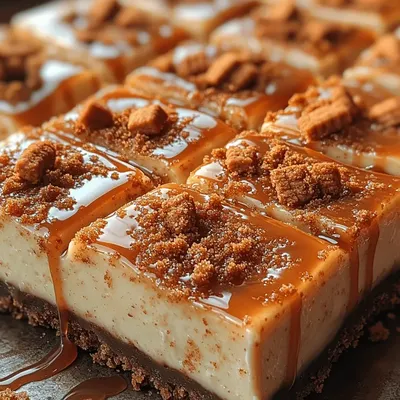
Biscoff Bliss Cheesecake Bars Recipe: A Sweet Indulgence
Delicious Biscoff Bliss Cheesecake Bars Recipe: A Sweet Indulgence
 Desserts
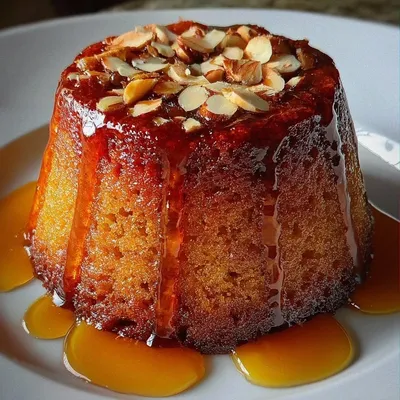
Date Almond Cake with Honey Drizzle
Learn how to make delicious Date Almond Cake with Honey Drizzle. Easy recipe with step-by-step instructions.
 Desserts
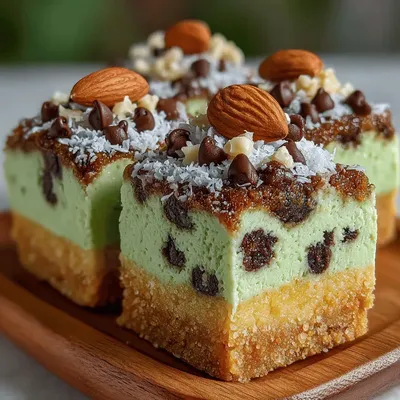
Frozen Yogurt Matcha Cookie Dough Bars: A Guilt-Free Delight
Delicious Frozen Yogurt Matcha Cookie Dough Bars: A Guilt-Free Delight
 Desserts
Mint Chocolate Cheesecake: A Delicious Dessert Twist!
Learn how to make delicious Mint Chocolate Cheesecake: A Delicious Dessert Twist!. Easy recipe with step-by-step…

Susan
I cook these recipes at home before they ever land here — simple ingredients, clear steps.