The Ultimate Chicken Ramen Bowl: A Cozy Delight Recipe
 Save
Save
It was a cold, rain‑soaked Saturday in November, the kind of day when the world outside feels like a watercolor of gray clouds and the kitchen becomes the warmest sanctuary you could imagine. I was standing over a simmering pot, the scent of ginger and garlic swirling like an invitation, and my daughter tugged at my sleeve, eyes wide, asking if we could make “the magic soup” she’d seen on a travel show. The moment I lifted the lid, a cloud of fragrant steam hit my face, carrying whispers of soy, sesame, and a hint of chicken broth that made my stomach grumble in anticipation. That first bowl was more than just food; it was a hug in a bowl, a reminder that the simplest ingredients can create a moment of pure comfort that lingers long after the last slurp.
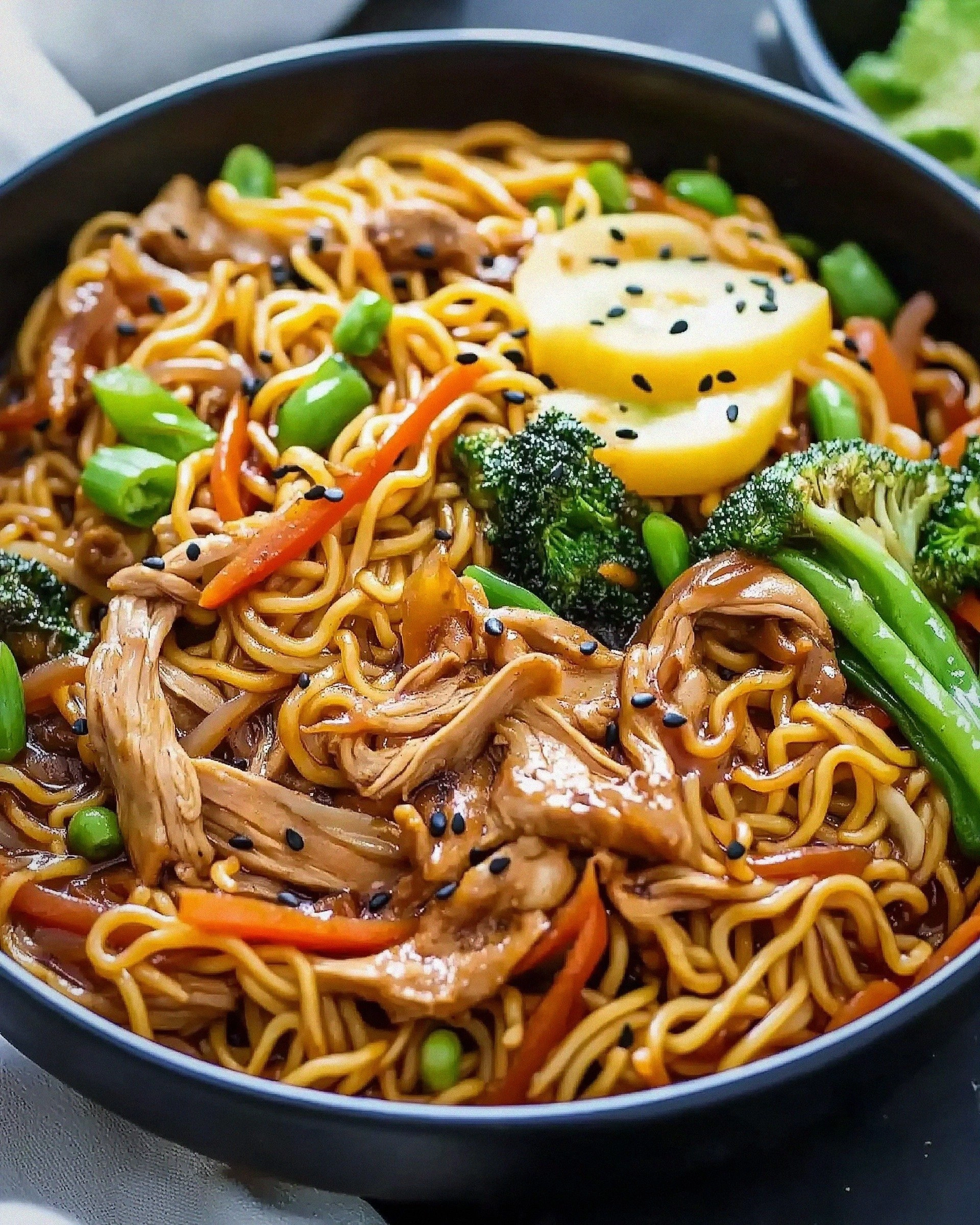
Since that rainy afternoon, the recipe has become a family staple, a go‑to whenever we need a quick yet soul‑satisfying dinner that feels like a restaurant experience without the price tag. What makes this chicken ramen bowl truly ultimate is its balance of flavors and textures – the silky noodles, the tender chicken, the bright pop of spinach, and the creamy richness of a soft‑boiled egg, all swimming in a broth that sings with umami. I’ve tried countless variations, from adding miso paste to swapping the noodles for soba, but each time I return to this version because it hits that perfect sweet‑salty‑savory chord that warms both body and heart. Have you ever wondered why a simple bowl of ramen can feel like a celebration? The answer lies in the harmony of each component, and I’m about to reveal exactly how you can recreate that harmony at home.
Before we dive into the step‑by‑step, let me set the scene for you: imagine the gentle clatter of chopsticks, the glossy sheen of sesame oil coating the noodles, and the bright green garnish of sliced green onions that adds a fresh pop of color. The broth will bubble softly, releasing aromatic notes that make your kitchen feel like a cozy ramen shop tucked away in a bustling alley. And as you place the perfectly sliced chicken on top, you’ll hear that satisfying sizzle that tells you you’re about to serve something truly special. But wait – there’s a secret trick in step 4 that will elevate the broth from good to unforgettable, and I’ll spill the beans (or rather, the broth) a little later.
Here’s exactly how to make it – and trust me, your family will be asking for seconds, your friends will beg for the recipe, and you’ll feel a warm glow of pride every time you hear that first “Mmm” around the table. Ready your ladle, gather the ingredients, and let’s embark on this culinary journey together. The best part? You don’t need a fancy stove or a Michelin‑star chef’s knife; just a pinch of curiosity, a dash of love, and a willingness to experiment. Let’s get started, shall we?
🌟 Why This Recipe Works
- Flavor Depth: The combination of chicken broth and soy sauce creates a layered umami base that feels both familiar and sophisticated, allowing each bite to reveal new nuances. By adding sesame oil, you introduce a subtle nutty aroma that rounds out the savory profile, making the broth feel richer without overwhelming the palate.
- Texture Harmony: The instant ramen noodles provide a quick‑cook, springy bite that contrasts beautifully with the tender, shredded chicken and the delicate softness of the soft‑boiled eggs. This interplay of textures keeps each spoonful interesting and prevents the dish from feeling one‑dimensional.
- Ease of Preparation: Using instant ramen as the noodle base cuts down cooking time dramatically, meaning you can have a restaurant‑quality bowl on the table in under 30 minutes. The recipe is designed for busy weeknights, yet it never sacrifices flavor for speed.
- Time Efficiency: The broth comes together in a single pot, minimizing cleanup and allowing you to multitask – while the broth simmers, you can prep the chicken, spin the spinach, and soft‑boil the eggs, making the entire process feel seamless.
- Versatility: This base is a canvas for countless variations – swap chicken for tofu, add a splash of miso, or toss in a handful of corn for sweetness. The recipe invites creativity, which means you’ll never get bored.
- Nutrition Balance: With protein‑rich chicken, iron‑packed spinach, and a modest amount of carbs from the noodles, the bowl offers a balanced meal that fuels both body and mind. The sesame seeds add a dose of healthy fats and a pleasant crunch.
- Ingredient Quality: Each component, from the fresh garlic to the high‑quality chicken broth, is chosen for its ability to shine individually while contributing to the overall symphony of flavors. Using a good broth is the secret that separates a good ramen from a great one.
- Crowd‑Pleasing Factor: The familiar flavors of soy, ginger, and sesame are universally loved, making this dish a safe bet for both picky eaters and adventurous foodies alike. It’s a comforting classic that brings people together around the table.
🥗 Ingredients Breakdown
The Foundation: Broth & Liquid Base
The broth is the heart of any ramen, and in this recipe we use a combination of 2 cups chicken broth and 1 cup water. The chicken broth provides a rich, savory backbone, while the water dilutes it just enough to let the other flavors shine without becoming overly salty. If you have homemade broth, even better – the gelatin from the bones adds a silky mouthfeel that store‑bought versions often lack. For those who prefer a lighter version, you can substitute half the broth with low‑sodium vegetable stock, which still maintains the depth but cuts down on sodium.
Aromatics & Spices: Building the Aroma
A tablespoon each of soy sauce and sesame oil, a teaspoon of freshly grated ginger, and two cloves of garlic form the aromatic trio that awakens the senses. Soy sauce brings salty, umami richness, while sesame oil adds a toasted nuttiness that lingers on the palate. The ginger provides a bright, slightly peppery heat that cuts through the richness, and the garlic contributes a warm, earthy background note. If you’re allergic to garlic, a pinch of asafoetida can mimic its depth without the same flavor profile.
The Secret Weapons: Protein & Greens
One cup of cooked chicken, ideally shredded or thinly sliced, supplies lean protein that makes the bowl satisfying and hearty. I recommend poaching the chicken in the same broth to infuse it with flavor before shredding – it’s a small step that makes a big difference. The cup of baby spinach adds a burst of color and a gentle earthiness, wilting quickly in the hot broth while retaining its bright green hue. Spinach also packs vitamins A and K, giving the dish a nutritional boost without any extra effort.
Finishing Touches: Garnishes & Crunch
Two green onions, sliced thin, provide a fresh, slightly pungent bite that brightens each spoonful. The soft‑boiled eggs, halved, add a creamy yolk that enriches the broth as you break it open, while the whites offer a tender texture contrast. Finally, a tablespoon of sesame seeds adds a subtle crunch and a hint of nutty flavor that ties the whole bowl together. If you love heat, a drizzle of chili oil or a pinch of shichimi togarashi can turn this comforting dish into a spicy adventure.
With your ingredients prepped and ready, let's get cooking. Here's where the fun really begins…
🍳 Step-by-Step Instructions
🔐 Expert Tips for Perfect Results
The Taste Test Trick
Always taste your broth at least twice during cooking: once after adding the soy sauce and again after the noodles have softened. This double‑check ensures you can balance saltiness, acidity, and richness before the final assembly. I once served a bowl that was a shade too salty because I skipped the second taste; the feedback was priceless and taught me the importance of this simple habit.
Why Resting Time Matters More Than You Think
After cooking, let the bowl sit for a minute or two before diving in. This short rest allows the flavors to meld, especially the sesame oil, which can otherwise sit on the surface. The result is a more harmonious broth where each component sings together rather than competing.
The Seasoning Secret Pros Won’t Tell You
A pinch of toasted rice flour (or a tiny spoonful of cornstarch dissolved in cold water) can thicken the broth just enough to give it a silky body without making it heavy. Professionals use this technique to achieve that velvety mouthfeel you often associate with high‑end ramen shops.
Noodle Timing Mastery
Instant ramen noodles can quickly become overcooked; set a timer the moment they hit the broth. For a firmer bite, reduce the cooking time by 30 seconds; for a softer texture, add an extra 30 seconds. This precise control makes each bowl feel custom‑crafted.
Egg Perfection Every Time
The key to the perfect soft‑boiled egg is the ice bath. It stops the cooking process instantly, preserving that beautiful, runny yolk. If you’re in a hurry, you can use a sous‑vide method at 145°F for 45 minutes, which guarantees consistent results.
Garnish with Intent
Don’t just sprinkle the green onions; give them a quick toss in a splash of the hot broth before adding them. This softens their sharpness and releases their aroma, creating a more balanced garnish. I’ve found that this tiny step transforms the final bite from “good” to “wow.”
🌈 Delicious Variations to Try
One of my favorite things about this recipe is how versatile it is. Here are some twists I've tried and loved:
Miso‑Infused Ramen
Stir in a tablespoon of white miso paste after the broth comes to a simmer. The miso adds a sweet, earthy depth that complements the soy sauce and gives the bowl a slightly thicker texture. Expect a richer, more complex flavor profile that feels both comforting and sophisticated.
Spicy Kimchi Kick
Add a half‑cup of chopped kimchi along with the spinach. The fermented tang and gentle heat of kimchi brighten the broth and introduce a probiotic boost. This variation is perfect for those who love a little heat and a bold, tangy punch.
Coconut Curry Ramen
Replace half of the chicken broth with coconut milk and add a teaspoon of red curry paste when you add the ginger and garlic. The result is a creamy, aromatic bowl with a subtle tropical twist. Garnish with fresh cilantro and lime wedges for an extra burst of freshness.
Veggie‑Loaded Delight
Swap the chicken for pan‑fried tofu cubes and add sliced carrots, shiitake mushrooms, and snap peas. This version is vegetarian-friendly yet still protein‑rich, and the variety of vegetables adds texture and color. The broth remains the same, ensuring the core flavor stays familiar.
Sesame‑Peanut Crunch
Mix a tablespoon of peanut butter into the broth just before serving, and sprinkle crushed peanuts on top. The nutty creaminess deepens the sesame flavor and adds a satisfying crunch. It’s a delightful twist that feels indulgent without being overly heavy.
📦 Storage & Reheating Tips
Refrigerator Storage
Allow the ramen to cool to room temperature before transferring it to an airtight container. It will keep nicely in the fridge for up to 3 days. When reheating, separate the broth from the noodles if possible; this prevents the noodles from becoming overly soggy.
Freezing Instructions
For longer storage, freeze the broth and cooked chicken separately from the noodles and vegetables. Place them in freezer‑safe bags or containers, label with the date, and store for up to 2 months. To reheat, thaw the broth overnight in the fridge, then gently warm on the stove, adding fresh noodles and spinach at the last minute.
Reheating Methods
When reheating on the stovetop, add a splash of water or extra broth to revive the soup’s silkiness. Microwave works too: place the broth in a microwave‑safe bowl, cover loosely, and heat in 30‑second intervals, stirring in between. The trick to reheating without drying it out? A splash of soy sauce or a drizzle of sesame oil right before serving restores the original richness.
❓ Frequently Asked Questions
Can I use bone broth instead of regular chicken broth?
What’s the best way to achieve a perfectly soft‑boiled egg?
Can I make this recipe vegetarian?
How do I prevent the noodles from getting mushy?
Is there a gluten‑free version?
Can I add more vegetables without making the broth too watery?
What’s the best way to store the broth separately?
Why does my broth taste flat?
Soft‑boil the eggs: bring a small saucepan of water to a rolling boil, lower the eggs in gently, and cook for exactly 6 minutes for a jammy yolk. Immediately transfer the eggs to an ice bath for 2 minutes, then peel and halve them. The yolk should be golden and slightly runny, ready to mingle with the broth when you break it open.
To serve, ladle the broth, noodles, chicken, and spinach into deep bowls. Place the halved soft‑boiled eggs on top, sprinkle the sliced green onions, and finish with a generous drizzle of sesame seeds. For an extra layer of aroma, add a few drops of chili oil if you enjoy heat. Go ahead, take a taste — you’ll know exactly when it’s right: the broth should be warm, comforting, and balanced, the noodles perfectly al dente, and the toppings bright and inviting.
Similar Recipes
 Appetizers
Loaded Italian Nacho Platter
Delicious Loaded Italian Nacho Platter
 Appetizers
Savory Roasted Asparagus Dip for Ultimate Snack Bliss
Learn how to make delicious Savory Roasted Asparagus Dip for Ultimate Snack Bliss. Easy recipe with…
 Appetizers
cinnamon roll casserole with cream cheese icing for festive brunch
Bake this gooey cinnamon roll casserole with cream cheese icing for a festive brunch. Easy make-ahead…
 Appetizers
Classic Italian Pesto Flatbread
Delicious Classic Italian Pesto Flatbread
 Appetizers
Turkey & Swiss Delight Pinwheels: A Tasty and Versatile Snack
Delicious Turkey & Swiss Delight Pinwheels: A Tasty and Versatile Snack
 Appetizers
Roasted Sweet Potato & Kale Salad: A Wholesome Delight
Delicious Roasted Sweet Potato & Kale Salad: A Wholesome Delight
 Appetizers
Crunchy Air Fryer Mozzarella Sticks
Delicious Crunchy Air Fryer Mozzarella Sticks
 Appetizers
Vibrant Roasted Beet and Arugula Salad
Delicious Vibrant Roasted Beet and Arugula Salad

Susan
I cook these recipes at home before they ever land here — simple ingredients, clear steps.