Women’s Day Pink Velvet Cake: 5 Reasons to Indulge Today
 Save
Save
It was a crisp March afternoon, the kind where the wind whispers through the open windows and the kitchen feels like the heart of the house. I was pulling out an old tin of pink food coloring my grandmother used for birthday cakes, and the memory of her humming a lilting tune while the oven warmed the room came flooding back. The moment you lift the lid of the oven, a cloud of fragrant steam hits you—soft notes of vanilla, a faint cocoa whisper, and that unmistakable buttery aroma that says “comfort” in a language all of us understand. I realized then that there was a perfect reason to celebrate Women’s Day this year: with a cake that feels as vibrant and empowering as the women we honor.
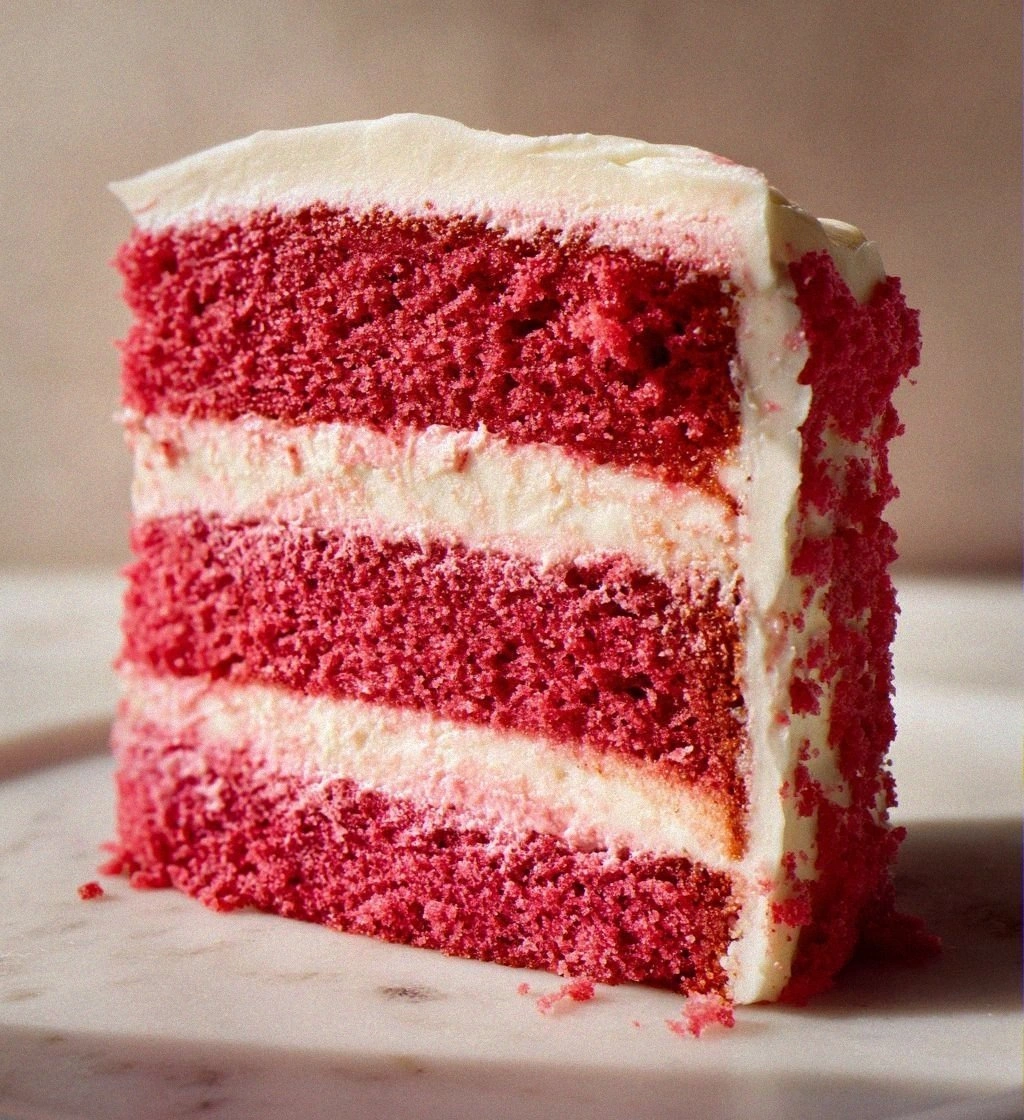
Imagine a cake that looks like a blush‑kissed sunrise, its crumb as tender as a well‑kept secret and its frosting as silky as a satin ribbon. The pink velvet cake I’m about to share is not just a dessert; it’s a celebration of color, flavor, and the joy of gathering around a table with the people you love. The secret lies in a careful balance of cocoa and a splash of red food coloring, creating that signature pink hue without sacrificing the deep, chocolatey undertones that make velvet cake so beloved. And because it’s a one‑bowl wonder, you’ll spend less time scrubbing dishes and more time savoring the sweet anticipation of the first bite.
But wait—there’s a twist that will take this cake from ordinary to unforgettable, and I’m saving it for later in the article. Have you ever wondered why the best bakery cakes have that melt‑in‑your‑mouth texture, while homemade versions can sometimes feel a bit dense? The answer is a combination of chemistry and a few pro tricks that even seasoned bakers love to keep under their aprons. I’ll reveal that hidden gem soon, and trust me, you’ll want to bookmark this page.
Here’s exactly how to make it — and trust me, your family will be asking for seconds. Ready to dive in? Let’s start with why this pink velvet masterpiece works so well, and then we’ll break down every ingredient, step by step, so you can recreate the magic in your own kitchen.
🌟 Why This Recipe Works
- Flavor Depth: The subtle cocoa paired with a hint of vanilla creates a layered taste that feels both familiar and exciting. Each bite offers a gentle chocolate richness balanced by the sweet, buttery notes of the oil and buttermilk.
- Velvety Texture: The combination of oil and buttermilk keeps the crumb moist and tender, while the baking soda reacts with the acidic buttermilk for a light, airy lift. The result is a cake that feels like it’s melting on your tongue.
- Ease of Preparation: With everything combined in just one bowl, you’ll spend less time mixing and more time enjoying the process. No need for a stand mixer or multiple bowls—just a whisk, a spatula, and a good mood.
- Time Efficiency: From start to finish, the cake takes under an hour, making it perfect for a spontaneous celebration or a planned Women’s Day brunch. The quick bake time also means you can serve it warm, fresh from the oven.
- Versatility: This base can be dressed up with a variety of frostings—cream cheese, chocolate ganache, or even a light lemon glaze—allowing you to tailor the flavor to any palate.
- Ingredient Quality: Using pantry staples like all‑purpose flour, granulated sugar, and vegetable oil ensures that the cake is accessible, yet the inclusion of buttermilk elevates it to bakery‑level quality.
- Crowd‑Pleasing Factor: The striking pink color draws attention, while the familiar taste comforts even the most skeptical eaters. It’s a conversation starter and a dessert that makes everyone feel special.
🥗 Ingredients Breakdown
The Foundation
The backbone of any cake is the flour, and here we use 2 ½ cups of all‑purpose flour because it provides the perfect balance of structure and tenderness. Flour creates the gluten network that holds the cake together, but too much can make it tough, so measuring carefully (spooning and leveling) is essential. If you’re looking for a lighter crumb, you can substitute half of the flour with cake flour, which has a lower protein content and yields a softer texture.
Granulated sugar, at 1 ½ cups, does more than sweeten; it also helps to aerate the batter when creamed with the oil, trapping tiny air bubbles that expand during baking. This contributes to the cake’s lift and delicate crumb. For a deeper caramel note, consider swapping a quarter cup of the sugar for brown sugar, but keep in mind that it will add a subtle molasses undertone.
Aromatics & Spices
A single teaspoon of vanilla extract is the quiet hero, infusing the batter with a warm, aromatic backbone that ties the cocoa and pink hues together. Real vanilla bean paste can be used for an even richer flavor, but a good-quality pure extract works beautifully in a pinch. The cocoa powder, just a teaspoon, is the secret that gives the cake its “velvet” depth without turning it brown; it’s the whisper of chocolate that makes the pink pop.
A pinch of salt (½ teaspoon) is not just a seasoning—it enhances every other flavor, ensuring the sweetness never feels cloying. Salt also strengthens the gluten structure, giving the cake a subtle snap in the crumb that feels satisfying to bite into.
The Secret Weapons
Buttermilk, at one cup, is the unsung champion that adds both tang and tenderness. Its acidity reacts with the baking soda, creating carbon dioxide bubbles that lift the batter, while the fat content keeps the crumb moist. If you don’t have buttermilk on hand, you can make a quick substitute by adding a tablespoon of lemon juice or white vinegar to a cup of milk and letting it sit for five minutes.
Vegetable oil, also one cup, replaces butter for a consistently moist crumb because oil stays liquid at room temperature, unlike butter which can solidify and create pockets. This choice makes the cake forgiving—perfect for busy mornings when you need a reliable result.
Three large eggs, at room temperature, act as emulsifiers, binding the oil and liquid components together while also adding richness. Bringing them to room temperature prevents curdling and ensures a smooth batter.
Finishing Touches
The leavening duo of one teaspoon each of baking soda and baking powder guarantees a balanced rise. Baking soda works with the acidic buttermilk, while baking powder adds a secondary lift, preventing the cake from sinking in the center. Finally, a tablespoon of red food coloring gives the cake its iconic pink hue; use gel food coloring if you want a more intense color without adding extra liquid.
With your ingredients prepped and ready, let's get cooking. Here’s where the fun really begins, and I’ll walk you through each step with the kind of detail that makes you feel like you have a seasoned baker right beside you.
🍳 Step-by-Step Instructions
🔐 Expert Tips for Perfect Results
The Taste Test Trick
Before you even think about frosting, slice a tiny piece of the warm cake and taste it plain. This helps you gauge the balance of sweetness and cocoa, allowing you to adjust the frosting’s sugar level accordingly. I once added too much sugar to my frosting, and the whole cake felt cloying—learning this simple test saved me from a dessert disaster.
Why Resting Time Matters More Than You Think
Allow the baked cake to rest for at least 30 minutes at room temperature before frosting. This resting period lets the crumb settle, preventing cracks when you spread a thick layer of frosting. Trust me on this one: the difference between a smooth finish and a crumbly edge is night and day.
The Seasoning Secret Pros Won’t Tell You
A pinch of sea salt sprinkled on top of the frosting just before serving can dramatically enhance the flavors, cutting through the sweetness and highlighting the chocolate undertones. I discovered this trick after a pastry chef whispered it to me during a workshop, and it’s become a staple in my kitchen.
Frosting Consistency Control
If you’re using a cream cheese frosting, beat it on low speed until the texture is smooth, then increase to medium for a minute to incorporate air. Adding a splash of milk or heavy cream can adjust consistency if the frosting feels too stiff. The result should be spreadable like a cloud but firm enough to hold its shape on the cake’s sides.
The Final Decorative Touch
A light dusting of edible pink glitter or a scattering of fresh berries adds visual sparkle without overwhelming the palate. I love pairing the cake with a handful of raspberries; their tartness balances the sweet frosting beautifully. The final flourish turns a simple dessert into a show‑stopping centerpiece.
🌈 Delicious Variations to Try
One of my favorite things about this recipe is how versatile it is. Here are some twists I've tried and loved:
Strawberry Swirl
Fold in a swirl of strawberry puree into the batter before baking. The fruit adds a natural sweetness and a subtle pink‑red hue that deepens the cake’s color while imparting a fresh, summery flavor.
Chocolate Hazelnut Dream
Replace the vanilla extract with hazelnut liqueur and add a tablespoon of finely ground toasted hazelnuts to the dry mix. This variation introduces a nutty richness that pairs perfectly with a dark chocolate ganache frosting.
Citrus Zest Spark
Add the zest of one lemon or orange to the wet ingredients. The citrus brightens the flavor profile, giving the cake a lively lift that cuts through the sweetness, especially when paired with a light cream cheese frosting.
Coffee Infusion
Dissolve a teaspoon of instant espresso powder in the buttermilk before adding it to the batter. The coffee deepens the chocolate notes and adds a sophisticated, adult‑friendly twist.
Matcha Magic
Swap half of the cocoa powder for matcha powder and reduce the red food coloring to a pink‑lavender hue. This creates a delicate balance between earthiness and sweetness, perfect for tea‑time gatherings.
📦 Storage & Reheating Tips
Refrigerator Storage
Once frosted, cover the cake loosely with plastic wrap and store it in the fridge for up to three days. The cool environment keeps the frosting firm and prevents the crumb from drying out. Before serving, let the cake sit at room temperature for about 20 minutes to bring back its softness.
Freezing Instructions
If you need to keep the cake longer, freeze it unfrosted. Wrap the cooled cake tightly in several layers of freezer‑safe plastic wrap, then place it in an airtight container. It will stay fresh for up to two months. To thaw, move it to the refrigerator overnight, then bring it to room temperature before frosting.
Reheating Methods
To enjoy a warm slice, place a piece on a microwave‑safe plate and heat for 10‑15 seconds, or warm a whole slice in a preheated oven at 300°F for 5‑7 minutes. The trick to reheating without drying it out? Add a splash of milk or a tiny dollop of butter on top before warming, and cover loosely with foil.
❓ Frequently Asked Questions
Can I use butter instead of oil?
Why does my cake turn out pink on the inside but brown on the outside?
Can I make this cake gluten‑free?
How do I achieve a deeper pink color without using a lot of food coloring?
Is it okay to bake this cake in a muffin tin?
Can I add a filling inside the cake?
Why does my cake sink in the middle?
What frosting pairs best with this pink velvet cake?
Similar Recipes
 Desserts
Banana Nut Muffin Top Cookies: A Delightful Fusion of Flavors
Delicious Banana Nut Muffin Top Cookies: A Delightful Fusion of Flavors
 Desserts
Oreo Chocolate Chip Cookies: A Delicious Twist on a Classic Treat
Delicious Oreo Chocolate Chip Cookies: A Delicious Twist on a Classic Treat
 Desserts
Decadent Snickers Cheesecake: A Heavenly Indulgence
Delicious Decadent Snickers Cheesecake: A Heavenly Indulgence
 Desserts
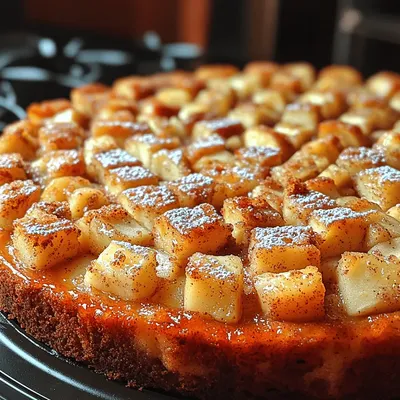
Heavenly Apple Cinnamon Crumb Cake: A Delightful Indulgence
Delicious Heavenly Apple Cinnamon Crumb Cake: A Delightful Indulgence
 Desserts
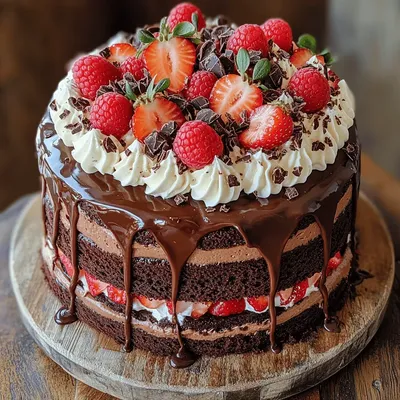
Decadent Chocolate Dreams Layer Cake Recipe
Delicious Decadent Chocolate Dreams Layer Cake Recipe
 Desserts
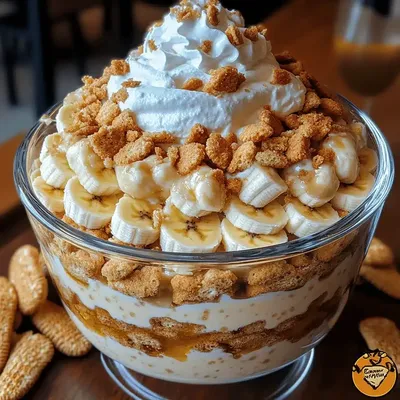
Magnolia Bakery-Style Banana Pudding: A Timeless Delight
Delicious Magnolia Bakery-Style Banana Pudding: A Timeless Delight
 Desserts
Peanut Butter Chocolate Chip Protein Balls
Learn how to make delicious Peanut Butter Chocolate Chip Protein Balls. Easy recipe with step-by-step instructions,…
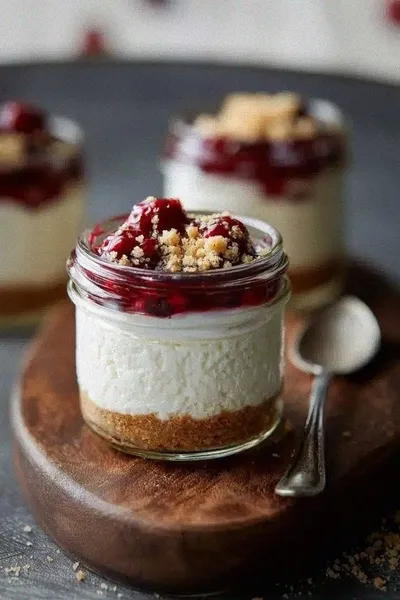 Desserts
Healthier No-Bake Cheesecake in a Jar
Learn how to make delicious Healthier No-Bake Cheesecake in a Jar. Easy recipe with step-by-step instructions.

Susan
I cook these recipes at home before they ever land here — simple ingredients, clear steps.
Other Reader Favorites
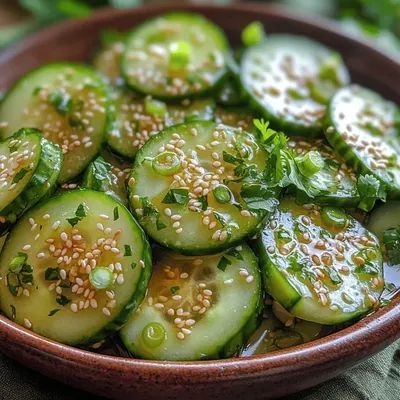 Appetizers
Crunchy Sesame Garlic Cucumber Salad: A Refreshing Delight
Delicious Crunchy Sesame Garlic Cucumber Salad: A Refreshing Delight
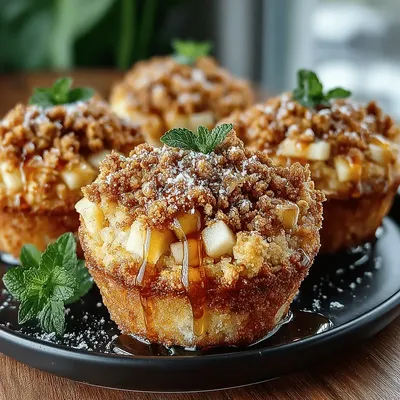 Breakfast
Apple Cinnamon French Toast Muffins
Delicious Apple Cinnamon French Toast Muffins
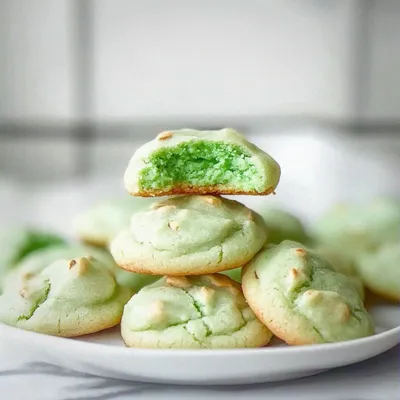 Desserts
Chewy Pistachio Pudding Cookies for Everyone’s Sweet Cravings
Learn how to make delicious Chewy Pistachio Pudding Cookies for Everyone’s Sweet Cravings. Easy recipe with…
 Dinner
Spicy Cajun Chicken Alfredo: A Flavorful Journey
Delicious Spicy Cajun Chicken Alfredo: A Flavorful Journey