Melt-in-Your-Mouth Cake
 Save
Save
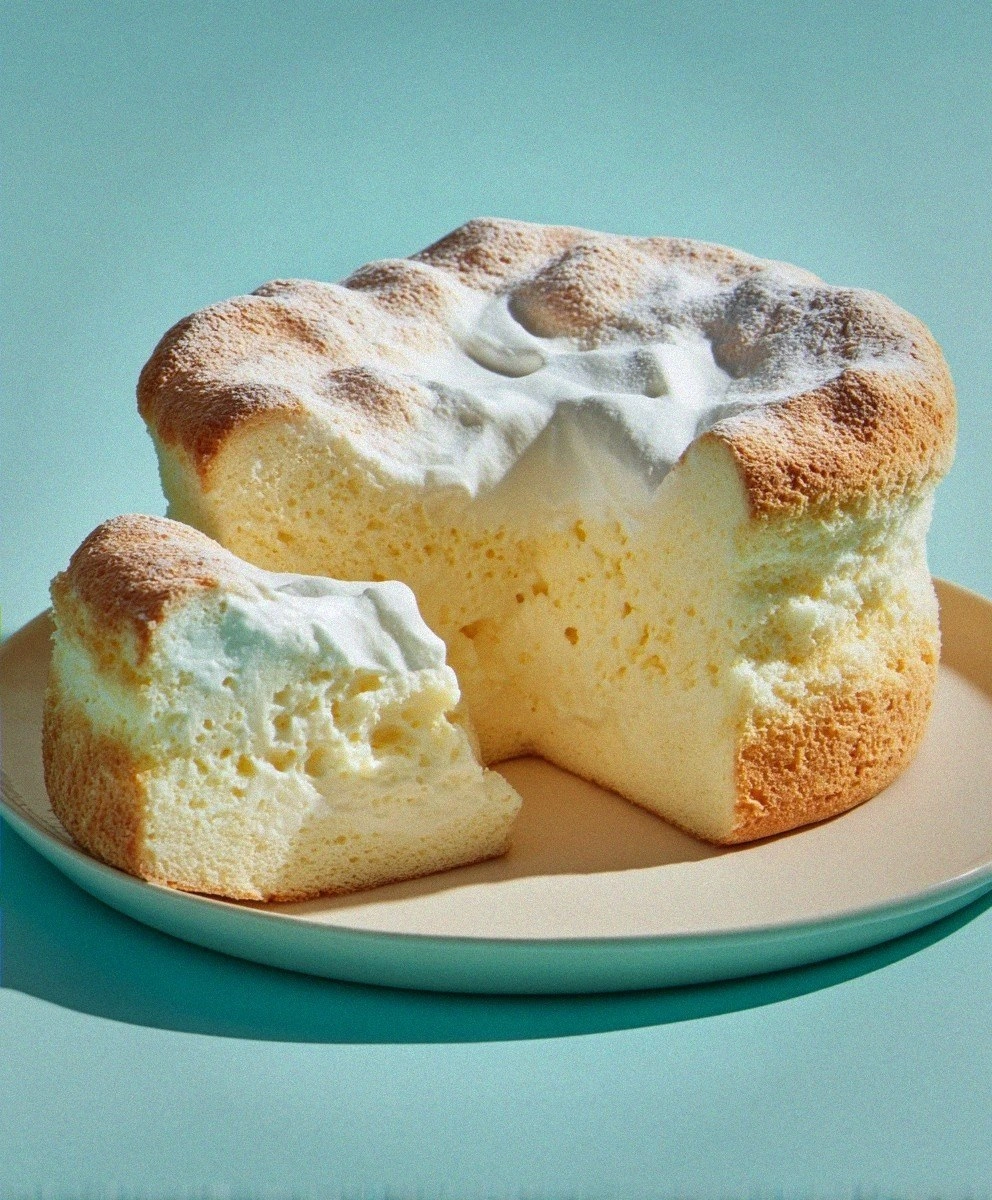
It was a crisp autumn afternoon when I first discovered the secret to a cake that literally melts in your mouth. I was standing in my grandmother’s kitchen, the air thick with the sweet perfume of caramelized butter and vanilla, while the old wooden table groaned under the weight of a battered mixing bowl. The moment she lifted the lid off the pan, a cloud of fragrant steam swirled around us like a warm, buttery fog, and I knew I was about to taste something unforgettable. That first bite—soft, airy, and just sweet enough to make my eyes close—has haunted my culinary dreams ever since, urging me to recreate that magic for my own family.
Fast forward a few years, and I’ve refined the technique into a fool‑proof recipe that anyone can follow, whether you’re a seasoned baker or someone who only knows how to microwave popcorn. The secret isn’t a mysterious exotic ingredient; it’s a combination of precise technique, the right balance of fats and leavening, and a pinch of love that you sprinkle in at every step. Imagine a cake that rises like a cloud, its crumb so tender that a single fork glide feels like a whisper against your palate, and the flavor lingers like a gentle echo of that first autumn memory.
But wait—there’s a hidden trick in step four that turns an ordinary batter into a velvet‑smooth masterpiece. Have you ever wondered why the cakes at upscale bakeries seem to disappear the moment they’re sliced? The answer lies in a subtle method of folding the egg whites that creates a lattice of air pockets, giving the cake its signature melt‑in‑your‑mouth texture. I’ll reveal that technique later, and trust me, you’ll thank yourself when the first slice slides off the plate with barely a sigh.
Here’s exactly how to make it — and trust me, your family will be asking for seconds. The journey from raw ingredients to that glorious, golden‑brown cake is a story of patience, precision, and a few kitchen hacks that I’ve gathered over decades. So roll up your sleeves, preheat that oven, and let’s embark on a culinary adventure that will become a staple in your home forever.
🌟 Why This Recipe Works
- Flavor Depth: By using melted butter instead of softened butter, the fat coats the flour particles more evenly, creating a richer, buttery flavor that penetrates every crumb. The subtle vanilla and lemon zest add aromatic layers that keep the palate engaged from the first bite to the last crumb.
- Texture Perfection: The technique of separating eggs and folding in stiffly beaten whites introduces a light, airy structure, making the cake feel like a cloud that literally dissolves on your tongue. This method also prevents over‑mixing, which can develop gluten and make the cake tough.
- Ease of Execution: Despite sounding sophisticated, the steps are broken down into simple, repeatable actions that even a beginner can master with a little practice. Each stage builds confidence, turning a potentially intimidating bake into a satisfying ritual.
- Time Efficiency: With a total time of just 45 minutes, you can whip up a bakery‑quality dessert on a weeknight without sacrificing flavor or texture. The prep and bake times are balanced so you can multitask—perhaps sip a cup of tea while the cake rises.
- Versatility: The base cake is a blank canvas that welcomes countless variations, from citrus bursts to chocolate swirls, making it perfect for holidays, celebrations, or a simple after‑dinner treat. You can even double the recipe for larger gatherings without losing its signature melt‑in‑your‑mouth quality.
- Nutrition Balance: While indulgent, the recipe uses a moderate amount of sugar and incorporates whole milk and eggs, providing protein and calcium that make the dessert feel a little less guilty. Pair it with fresh fruit, and you’ve got a balanced dessert that satisfies sweet cravings and nutritional needs.
- Ingredient Quality: The recipe relies on pantry staples that are easy to source, yet it emphasizes the importance of fresh, high‑quality butter, farm‑fresh eggs, and real vanilla extract. These choices elevate the flavor profile without requiring exotic or hard‑to‑find items.
- Crowd‑Pleasing Factor: Its delicate sweetness and melt‑away texture appeal to both kids and adults, making it a safe bet for any gathering. The visual appeal of a golden‑brown crust contrasted with a soft interior also makes it Instagram‑ready.
🥗 Ingredients Breakdown
The Foundation
The backbone of any great cake is its flour, and for this melt‑in‑your‑mouth version we use cake flour, which has a lower protein content than all‑purpose flour. This means less gluten formation, resulting in a tender crumb that yields to the fork like silk. If you can’t find cake flour, you can substitute by removing two tablespoons of all‑purpose flour per cup and replacing it with cornstarch, but the true magic lies in the fine texture of cake flour itself.
Next comes granulated sugar, which not only sweetens but also helps to aerate the batter when creamed with butter. The sugar crystals dissolve during baking, creating a subtle caramelization on the crust that adds a golden hue and a faint buttery crunch. For a deeper flavor, you could experiment with a blend of white and light brown sugar, but keep the ratio balanced to avoid a gummy texture.
Melted butter is the secret weapon that distinguishes this cake from a typical sponge. By melting the butter, you allow the fat to coat the flour particles more uniformly, which prevents the formation of large gluten strands. This results in a cake that feels almost like a custard when you bite into it. Choose unsalted butter so you can control the salt level precisely, and make sure it’s warm—not hot—to avoid cooking the eggs later.
Aromatics & Spices
Vanilla extract is the aromatic heart of the cake, providing a sweet, floral note that lingers on the palate. I always reach for a high‑quality pure vanilla extract rather than imitation; the difference is like night and day, especially when the cake is served warm. A splash of fresh lemon zest adds a bright, citrusy zing that cuts through the richness, making each bite feel balanced.
A pinch of salt may seem trivial, but it amplifies the sweetness and enhances the overall flavor profile. Salt is the unsung hero that brings out the depth of the butter and vanilla, turning a flat taste into a multi‑dimensional experience. If you’re watching sodium intake, you can reduce it slightly, but never eliminate it entirely.
The Secret Weapons
Eggs are the structural pillars of this cake, providing both richness from the yolks and lift from the whites. By separating the eggs and beating the whites to stiff peaks, you create a foam that traps air, which expands dramatically in the oven. This is the core reason the cake feels like it’s melting in your mouth—those tiny air pockets dissolve as soon as they meet the heat of your tongue.
Baking powder is the chemical leavener that ensures the cake rises uniformly. It reacts with the acidic components in the batter (like the lemon zest) and the moisture to produce carbon dioxide bubbles. Using fresh baking powder is crucial; old powder loses its potency and can lead to a dense, flat cake.
Finishing Touches
A splash of whole milk adds moisture and helps to thin the batter just enough for a smooth pour, while also contributing a subtle creaminess that rounds out the flavor. Heavy cream, when lightly whipped with powdered sugar, makes a simple glaze that adds a glossy finish and a touch of sweetness without overpowering the delicate crumb.
For those who love a hint of citrus, a drizzle of lemon glaze made from powdered sugar, fresh lemon juice, and a dash of vanilla can transform the cake into a bright, festive dessert. This glaze sets quickly, giving the cake a beautiful sheen that invites you to dig in.
With your ingredients prepped and ready, let's get cooking. Here's where the fun really begins…
🍳 Step-by-Step Instructions
🔐 Expert Tips for Perfect Results
The Taste Test Trick
Before you even think about frosting, take a tiny spoonful of the batter and bake it in a mini‑silicone mold for 45 seconds. This micro‑test reveals whether the sweetness level and leavening are spot‑on. If it’s too sweet, reduce the sugar by a tablespoon next time; if it’s not rising enough, double‑check your baking powder freshness. Trust me, a quick taste test saves a lot of post‑bake disappointment.
Why Resting Time Matters More Than You Think
Allow the cake to rest for at least 15 minutes after it’s out of the oven before applying any glaze. This short pause lets the steam settle, preventing the glaze from melting into the cake and creating a soggy surface. The resting period also lets the crumb finish setting, ensuring each slice holds its shape when you cut it. I once skipped this step, and the glaze turned into a sugary puddle—lesson learned!
The Seasoning Secret Pros Won’t Tell You
A pinch of fine sea salt, added to the egg‑white foam, dramatically enhances the overall flavor. Salt doesn’t just bring out the sweetness; it also balances the richness of the butter, making each bite feel lighter. Professional bakers often keep a small salt shaker at the ready for this exact reason—don’t overlook this tiny but mighty ingredient.
Temperature Talk: Butter and Eggs
Room‑temperature butter and eggs integrate more smoothly, preventing lumps that can cause uneven texture. If you’re in a hurry, cut the butter into small cubes and microwave for 5‑10 seconds, then let it sit. Likewise, place the eggs in a bowl of warm water for a few minutes to bring them to the right temperature. The smoother the batter, the more uniform the rise.
The Oven’s Hidden Power
Every oven has hot spots; placing a baking stone on the lower rack can help distribute heat evenly, giving the cake a consistent golden crust. If you don’t have a stone, rotate the pan halfway through the bake—this simple move prevents one side from becoming overly browned while the other stays pale. The result? A perfectly browned perimeter that’s as beautiful as it is delicious.
🌈 Delicious Variations to Try
One of my favorite things about this recipe is how versatile it is. Here are some twists I've tried and loved:
Citrus Burst
Swap the lemon zest for an equal amount of orange zest and add a tablespoon of orange juice to the glaze. The bright, sunny flavor lifts the cake to a summer‑ready dessert, perfect for brunches and garden parties. The orange’s natural oils also give the crumb a subtle perfume that lingers long after the last bite.
Chocolate Swirl
Melt ¼ cup of dark chocolate and fold it gently into half of the batter before the final folding of the egg whites. The chocolate ribbons create a marbled effect that not only looks stunning but also adds a deep cocoa richness that pairs beautifully with the vanilla base. This variation is a hit for chocolate lovers who still crave that melt‑in‑your‑mouth texture.
Almond Joy
Replace the lemon zest with ½ teaspoon of almond extract and fold in ¼ cup of toasted sliced almonds into the batter. Top the finished cake with a drizzle of chocolate ganache and a sprinkle of shredded coconut for a tropical twist. The nutty crunch adds an unexpected texture contrast that makes each bite exciting.
Berry Bliss
Gently fold in 1 cup of fresh mixed berries (blueberries, raspberries, blackberries) after the final batter is mixed. The berries burst during baking, releasing juices that keep the interior extra moist. Serve with a dollop of lightly sweetened whipped cream for a dessert that feels both light and indulgent.
Spiced Pumpkin
In place of the lemon zest, add ½ cup of canned pumpkin puree, a pinch of cinnamon, nutmeg, and ginger. This autumnal version is perfect for chilly evenings, offering a warm, comforting flavor profile. Pair it with a caramel drizzle and a sprinkle of toasted pepitas for a festive finish.
📦 Storage & Reheating Tips
Refrigerator Storage
Once cooled, wrap the cake tightly in plastic wrap or store it in an airtight container. It will stay fresh for up to three days, retaining its soft crumb. If you’ve added a glaze, place a piece of parchment between the cake and the wrap to prevent the glaze from sticking.
Freezing Instructions
For longer storage, freeze the cake unglazed. Slice it into individual portions, wrap each slice in foil, then place them in a freezer‑safe zip‑lock bag. The cake freezes beautifully for up to two months. When you’re ready to enjoy, let it thaw at room temperature for an hour, then add the glaze or a fresh dusting of powdered sugar.
Reheating Methods
To revive a slice, preheat your oven to 300°F (150°C) and warm the piece for 8‑10 minutes, or microwave for 15‑20 seconds on medium power. For extra moisture, place a small dish of water on a lower rack while reheating; the steam prevents the cake from drying out. The trick to reheating without drying it out? A splash of milk brushed lightly over the surface before warming.
❓ Frequently Asked Questions
Can I use all‑purpose flour instead of cake flour?
Why does my cake sink in the middle?
Can I make this cake gluten‑free?
How do I prevent the glaze from sliding off?
Can I add fruit to the batter?
Is it okay to use melted butter instead of softened butter?
What’s the best way to store leftover cake slices?
Can I use oil instead of butter?
Similar Recipes
 Desserts
Ripe banana recipes healthy: 5 Ways to Delight Your Tastebuds
Learn how to make delicious Ripe banana recipes healthy: 5 Ways to Delight Your Tastebuds. Easy…
 Desserts
Apple Cinnamon Frozen Yogurt Bars
Delicious Apple Cinnamon Frozen Yogurt Bars
 Desserts
Christmas Candy
Learn how to make delicious Christmas Candy. Easy recipe with step-by-step instructions.
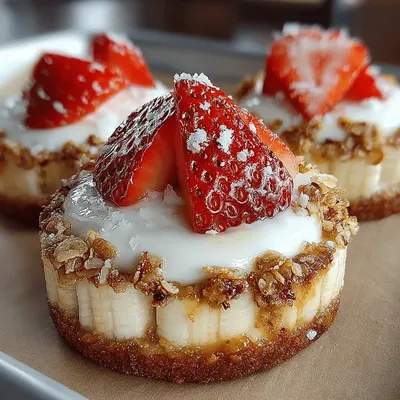 Desserts
Frosty Strawberry Banana Delights: The Perfect Cool Treat
Delicious Frosty Strawberry Banana Delights: The Perfect Cool Treat
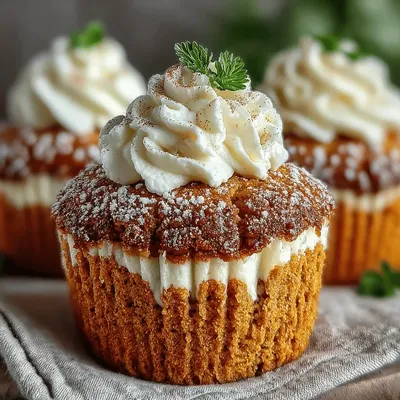 Desserts
Spiced Pumpkin Cream Cheese Pillows: A Deliciously Cozy Treat
Delicious Spiced Pumpkin Cream Cheese Pillows: A Deliciously Cozy Treat
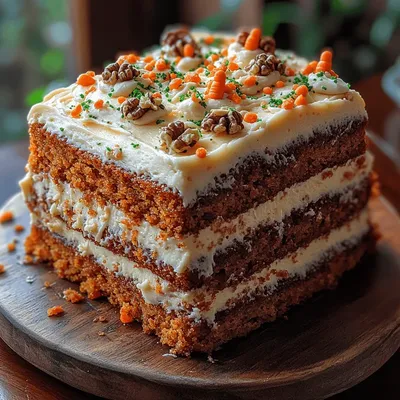 Desserts
Carrot Dreams Cake: A Delightful Recipe for Every Occasion
Delicious Carrot Dreams Cake: A Delightful Recipe for Every Occasion
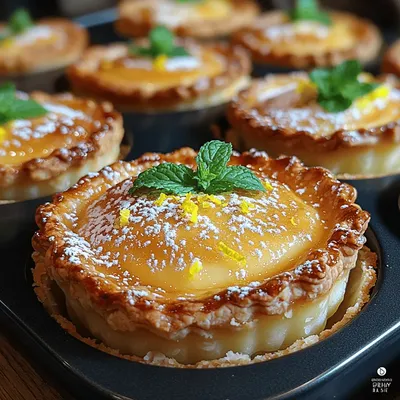 Desserts
Zesty Baby Lemon Impossible Pies: A Delightful Treat
Delicious Zesty Baby Lemon Impossible Pies: A Delightful Treat
 Desserts
Tropical Bliss Sweet Almond Coconut Snack Balls: A Delicious and Nutritious Treat
Delicious Tropical Bliss Sweet Almond Coconut Snack Balls: A Delicious and Nutritious Treat

Susan
I cook these recipes at home before they ever land here — simple ingredients, clear steps.
Other Reader Favorites
 Desserts
Dreamy Fruit Pizza Recipe
Delicious Dreamy Fruit Pizza Recipe
 Dinner
Brown Sugar Balsamic Pot Roast
Discover how to make a tender pot roast glazed with brown sugar and balsamic vinegar. This…
 Desserts
Crunchy Pumpkin Seed Brittle Recipe
Delicious Crunchy Pumpkin Seed Brittle Recipe
 Appetizers
Quick and Delicious Cheesy Bread Recipe
Learn how to make delicious Quick and Delicious Cheesy Bread Recipe. Easy recipe with step-by-step instructions.