Korean Beef Slow Cooker
 Save
Save
It was a chilly November evening when I first discovered the magic of a Korean‑style beef that seemed to melt in my mouth before I even took a bite. I was standing in my modest kitchen, the rain tapping a gentle rhythm against the window, and I had just pulled a hefty chuck roast from the freezer. As I seasoned it with a whisper of garlic and ginger, the air filled with an aroma that reminded me of a bustling Seoul street market—sweet, salty, and just a touch smoky. I slid the seasoned meat into the slow cooker, set the timer, and went back to the living room, where the scent began to weave itself into the fabric of the night.
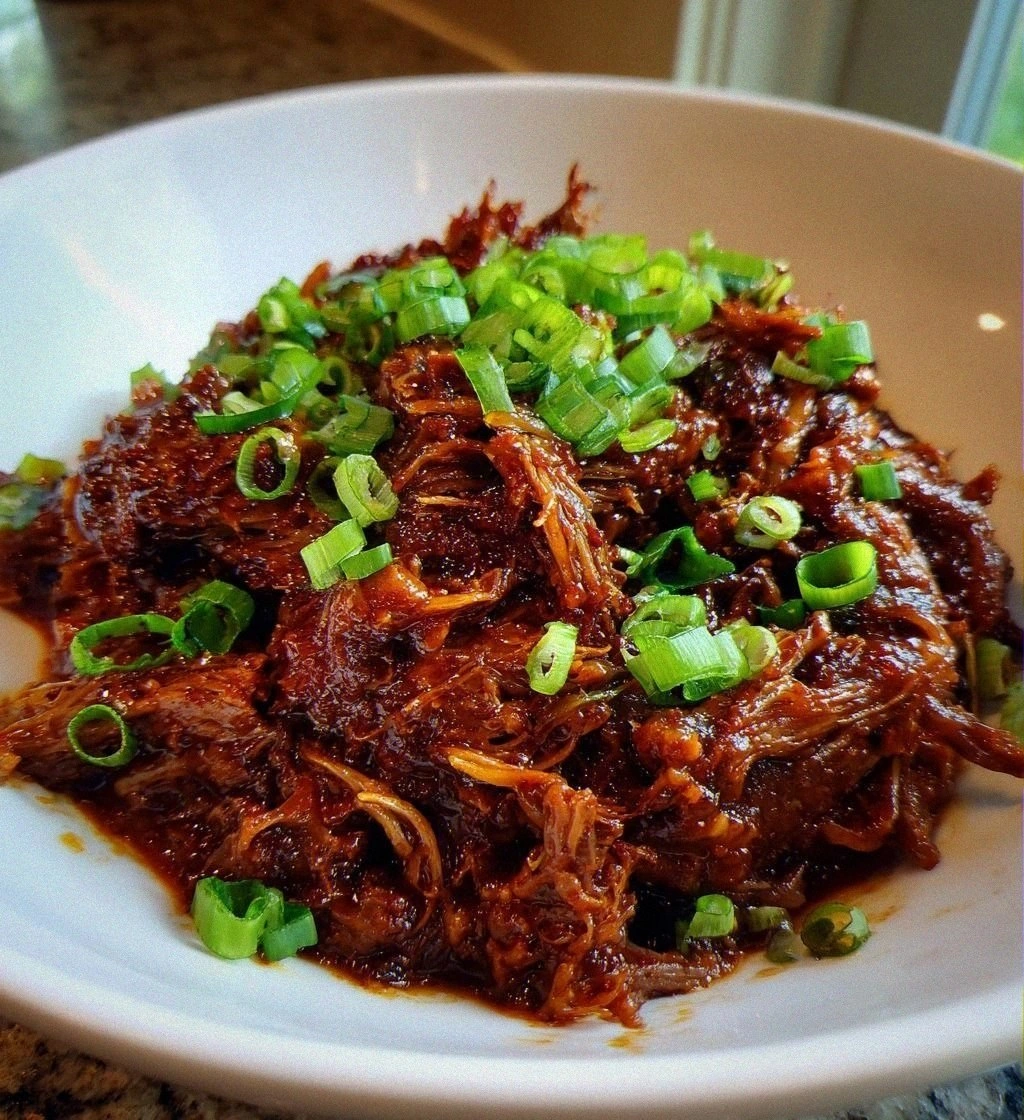
When the timer finally chimed, I lifted the lid and was greeted by a cloud of fragrant steam that rose like a warm invitation, swirling with notes of soy, brown sugar, and a faint heat from red pepper flakes. The beef had transformed from a solid slab into a tender, glossy masterpiece that fell apart with the slightest prod of a fork. The sauce clung to each shred, glossy and caramelized, while the green onions added a pop of fresh, peppery brightness. I tasted a spoonful and felt an instant connection to my Korean grandparents, who used to simmer meat for hours over a low flame, letting the flavors meld into something unforgettable.
What makes this Korean Beef Slow Cooker recipe stand out isn’t just the convenience of the slow‑cooker method—it’s the careful balance of sweet, salty, sour, and heat that creates a depth of flavor you’d expect from a restaurant kitchen. The combination of low‑sodium soy sauce and brown sugar creates a caramelized glaze, while rice vinegar cuts through the richness with a gentle tang. Sesame oil adds that unmistakable nutty finish that makes every bite feel luxurious. And the best part? You can set it and forget it, letting the slow cooker do the heavy lifting while you focus on the things that truly matter—like sharing stories around the dinner table.
But wait—there’s a secret trick I’ll reveal in step four that will take this dish from “delicious” to “legendary.” Trust me, you’ll want to bookmark this page because the moment you try it, your family will be begging for seconds, and you’ll be the hero of the night. Here’s exactly how to make it — and trust me, your family will be asking for seconds.
🌟 Why This Recipe Works
- Flavor Depth: The slow‑cooking process allows the soy‑based sauce to penetrate every fiber of the chuck roast, creating layers of umami that intensify over time. Each bite delivers a harmonious blend of sweet, salty, and tangy notes that keep your palate intrigued.
- Texture Perfection: By cooking the beef low and slow, the collagen breaks down into gelatin, turning a tough cut into melt‑in‑your‑mouth tenderness. This method ensures the meat stays juicy and the sauce stays silky, never watery.
- Effortless Convenience: Once everything is tossed into the slow cooker, you can walk away. No stirring, no watching, just set the timer and let the magic happen while you prep sides or relax.
- Time Efficiency: While the beef cooks for hours, you’re free to focus on other tasks. The recipe’s prep time is under 20 minutes, making it perfect for busy weeknights or lazy weekends.
- Versatility: This dish can be served over rice, noodles, or even wrapped in lettuce leaves for a low‑carb twist. The sauce also doubles as a fantastic dipping sauce for dumplings or spring rolls.
- Nutrition Balance: Using lean chuck roast and low‑sodium soy sauce keeps the sodium in check while providing a solid protein punch. The modest amount of brown sugar adds sweetness without overwhelming the dish.
- Ingredient Quality: Each component—from fresh ginger to sesame oil—contributes a distinct note that elevates the overall profile. When you choose high‑quality ingredients, the final result is unmistakably superior.
- Crowd‑Pleaser Factor: The familiar flavors of Korean BBQ are universally loved, making this dish a safe bet for gatherings, potlucks, or family dinners where you want everyone smiling.
🥗 Ingredients Breakdown
The Foundation: Beef & Basics
The star of this recipe is a 2‑pound beef chuck roast, trimmed of excess fat. Chuck roast is ideal because it contains enough connective tissue to become tender when cooked low and slow, yet it remains flavorful. If you can’t find chuck, a well‑marbled short rib or even a beef brisket can work, though the cooking time may need a slight adjustment. When selecting the meat, look for a deep red color and a fine marbling of fat—this ensures juiciness and a richer mouthfeel. Remember, the quality of the beef sets the stage for the entire dish; a sub‑par cut will never reach the same level of succulence.
Aromatics & Spices: Building the Flavor Base
A tablespoon each of minced garlic and fresh ginger provides the aromatic backbone that defines Korean cuisine. Garlic adds a pungent, slightly sweet depth, while ginger contributes a bright, peppery heat that cuts through the richness of the beef. The red pepper flakes bring a subtle kick—adjust the amount to match your heat tolerance, but don’t skip them entirely, as they bring that signature Korean “gochugaru” vibe. Green onions, chopped for garnish, add a fresh, oniony snap right before serving, balancing the richness of the sauce.
The Secret Weapons: Sweet, Sour, and Umami
One cup of low‑sodium soy sauce serves as the salty, umami foundation, while a half‑cup of packed brown sugar introduces a caramel‑like sweetness that deepens as the sauce reduces. Rice vinegar contributes a gentle acidity that brightens the overall profile, preventing the dish from feeling heavy. Sesame oil, though used sparingly, imparts a toasty, nutty finish that lingers on the palate. Finally, cornstarch mixed with water creates a glossy, velvety coating that clings to each shred of beef, ensuring every bite is perfectly sauced.
Finishing Touches & Optional Boosts
While the recipe calls for green onions as a garnish, you can also add toasted sesame seeds for an extra crunch and visual appeal. If you love a little extra heat, a drizzle of gochujang (Korean chili paste) can be stirred in just before serving. For a pop of color and freshness, thinly sliced carrots or julienned cucumber make a beautiful side. And if you’re aiming for a low‑carb version, swap the brown sugar for a natural sweetener like erythritol, though you’ll need to adjust the quantity to avoid over‑sweetening.
With your ingredients prepped and ready, let's get cooking. Here's where the fun really begins...
🍳 Step-by-Step Instructions
🔐 Expert Tips for Perfect Results
The Taste Test Trick
Before you close the lid for the final hour, pull a spoonful of sauce and let it cool just enough to taste. This is your chance to fine‑tune the balance of sweet, salty, and heat. If the sauce feels too salty, a dash of water or a pinch of sugar can bring it back into harmony. Trust your palate; it’s the best guide you have.
Why Resting Time Matters More Than You Think
Even after the slow cooker signals “done,” letting the dish sit for a few minutes allows the juices to redistribute throughout the meat. This short rest makes each bite juicier and ensures the sauce clings uniformly. I once served the beef immediately and noticed the edges were a bit dry—adding a 5‑minute rest solved that problem instantly.
The Seasoning Secret Pros Won’t Tell You
Professional Korean chefs often finish a dish with a drizzle of toasted sesame oil and a sprinkle of toasted sesame seeds. The oil adds a fragrant, nutty finish, while the seeds provide a subtle crunch. This finishing touch elevates the dish from home‑cooked comfort to restaurant‑grade elegance.
Choosing the Right Cut
While chuck roast is the star of this recipe, using a well‑marbled short rib can add an even richer mouthfeel. The extra fat renders slowly, creating a sauce that’s silkier and more luxurious. If you opt for short ribs, reduce the cooking time by about an hour to prevent over‑softening.
The Power of Fresh Ginger
Fresh ginger provides a bright, peppery zing that dried ginger can’t match. When you grate it finely, it releases essential oils that infuse the sauce with a lively aroma. I once used powdered ginger and the dish felt flat; the fresh version made all the difference.
Balancing Sweetness Without Overloading
If you’re watching sugar intake, substitute half the brown sugar with a natural sweetener like maple syrup or honey. This keeps the caramel notes while reducing refined sugar. Just remember that liquid sweeteners add a bit of extra moisture, so you may need to thicken the sauce a tad longer.
🌈 Delicious Variations to Try
One of my favorite things about this recipe is how versatile it is. Here are some twists I've tried and loved:
Spicy Gochujang Fusion
Stir in two tablespoons of gochujang (Korean chili paste) during the last 30 minutes of cooking. The result is a deeper, fermented heat that pairs beautifully with the sweet soy base, creating a complex flavor profile that’s both spicy and umami‑rich.
Coconut Curry Korean Beef
Replace half of the soy sauce with coconut milk and add a teaspoon of curry powder. This fusion brings a creamy, aromatic twist that’s perfect for serving over jasmine rice, giving the dish a tropical undertone while retaining its Korean soul.
Low‑Carb Lettuce Wraps
Skip the rice and serve the shredded beef in butter lettuce cups, topped with shredded carrots, cucumber ribbons, and a drizzle of sriracha mayo. This version is crisp, refreshing, and perfect for a light dinner or a party appetizer.
Mushroom‑Infused Beef
Add a cup of sliced shiitake or cremini mushrooms to the slow cooker with the beef. The mushrooms absorb the sauce, adding an earthy depth that complements the sweet‑savory balance, making the dish heartier and more satisfying.
Herb‑Fresh Finish
Just before serving, toss in a handful of fresh cilantro and a squeeze of lime juice. The bright herbaceous notes and citrus zing cut through the richness, offering a fresh, vibrant finish that’s especially delightful in warm weather.
📦 Storage & Reheating Tips
Refrigerator Storage
Allow the beef to cool to room temperature before transferring it to an airtight container. It will keep beautifully for up to 4 days in the refrigerator. When storing, keep the sauce separate from the rice or noodles to prevent sogginess.
Freezing Instructions
Portion the cooked beef and sauce into freezer‑safe bags or containers, leaving a little headspace for expansion. It freezes well for up to 3 months. To defrost, move the bag to the fridge overnight, then reheat gently on the stovetop or in a microwave, adding a splash of water if the sauce looks thick.
Reheating Methods
The secret to reheating without drying out is to add a tablespoon of water or broth and cover the dish while warming. On the stovetop, heat over low‑medium heat, stirring occasionally until the sauce bubbles gently. In the microwave, cover with a microwave‑safe lid and heat in 30‑second bursts, stirring in between.
❓ Frequently Asked Questions
Can I use a pressure cooker instead of a slow cooker?
What if I only have low‑sodium soy sauce?
Can I add vegetables directly into the slow cooker?
Is there a gluten‑free version?
How spicy is this dish?
Can I make this recipe vegetarian?
What side dishes pair best with this beef?
How do I prevent the sauce from becoming too salty?
Once the sauce has reached your desired consistency, turn off the slow cooker and let the dish rest for 5 minutes. This short pause allows the flavors to settle and the steam to distribute evenly throughout the meat. While it rests, give the green onions a final chop, reserving a few long pieces for garnish and using the rest to stir into the sauce for a fresh, oniony pop.
Serve the Korean beef over steamed jasmine rice, cauliflower rice, or even buttered noodles. Sprinkle the chopped green onions over the top, and if you’re feeling adventurous, drizzle a teaspoon of toasted sesame oil for an extra aromatic lift. The result? A dish that looks as impressive as it tastes, with tender beef bathed in a glossy, sweet‑savory glaze that beckons you to take another bite.
Similar Recipes
 Dinner
Turkey Bacon Alfredo Melts
Discover how to make Turkey Bacon Alfredo Melts – a quick, cheesy bake with smoky turkey…
 Dinner
Rainbow Roasted Veggie Couscous Bowls: A Vibrant and Nutritious Delight
Delicious Rainbow Roasted Veggie Couscous Bowls: A Vibrant and Nutritious Delight
 Dinner
Freezer-Friendly Baked Ziti for Comfort Food Cravings
Learn how to make delicious Freezer-Friendly Baked Ziti for Comfort Food Cravings. Easy recipe with step-by-step…
 Dinner
Hatch Chili Chicken Pizza Wraps
Delicious Hatch Chili Chicken Pizza Wraps
 Dinner
Cheese Shrimp Penne Pasta Spinach
Learn how to make delicious Cheese Shrimp Penne Pasta Spinach. Easy recipe with step-by-step instructions.
 Dinner
Creamy Southwest Chicken Pasta Skillet
Delicious Creamy Southwest Chicken Pasta Skillet
 Dinner
hearty highprotein lentil and spinach stew for nourishing family meals
Nourish your family with our hearty high protein lentil and spinach stew, packed with nutrients for…
 Dinner
Savory Forest Creamy Mushroom Risotto: A Culinary Delight
Delicious Savory Forest Creamy Mushroom Risotto: A Culinary Delight

Susan
I cook these recipes at home before they ever land here — simple ingredients, clear steps.
Other Reader Favorites
 Appetizers
warm lemon garlic roasted sweet potato and beet salad for january
Learn how to make delicious warm lemon garlic roasted sweet potato and beet salad for january.…
 Appetizers
healthy citrus and kale salad with grapefruit and herb dressing
Brighten your table with this healthy citrus kale salad, bursting with grapefruit and a zesty herb…
 Dinner
Cheesy Pulled Pork Paradise – A Comfort Food Delight
Delicious Cheesy Pulled Pork Paradise – A Comfort Food Delight
 Appetizers
Mozzarella-Stuffed Soft Pretzels Recipe
Delicious Mozzarella-Stuffed Soft Pretzels Recipe